1940 To 1950 Pickup Trucks For Sale: A Comprehensive Buyer’s Guide pickup.truckstrend.com
The roar of a flathead V8, the unmistakable silhouette of a rounded fender, and the promise of a simpler time – these are the hallmarks of pickup trucks from the 1940s and 1950s. Far more than just utilitarian workhorses, these vehicles have transcended their original purpose to become highly sought-after collector’s items, beloved by enthusiasts for their iconic design, robust engineering, and profound historical significance. If you’ve ever dreamt of owning a piece of automotive history, a classic pickup from this golden era might just be your perfect match. This comprehensive guide will navigate you through the exciting world of 1940 to 1950 pickup trucks for sale, offering insights, advice, and practical information to help you make an informed purchase.
Why Buy a 1940-1950 Pickup Truck? The Enduring Appeal
1940 To 1950 Pickup Trucks For Sale: A Comprehensive Buyer’s Guide
The allure of pickups from the 1940s and 1950s is multifaceted, drawing in a diverse range of buyers from seasoned collectors to first-time classic vehicle owners.
- Iconic Design & Nostalgia: This era represents a pivotal shift in automotive aesthetics. Post-World War II, manufacturers moved away from pre-war styling, introducing smoother lines, wider cabs, and integrated fenders that would define the modern truck. Models like the Chevrolet Advance Design and Ford F-Series are instantly recognizable, evoking a strong sense of Americana and nostalgia.
- Simpler Mechanics: Compared to modern vehicles laden with complex electronics, these trucks are refreshingly straightforward. Their mechanical simplicity makes them ideal for DIY enthusiasts, offering a rewarding learning experience and generally lower maintenance costs if you’re willing to get your hands dirty.
- Robust Construction: Built to withstand the rigors of farm work and post-war reconstruction, these trucks were over-engineered. Their sturdy frames and durable drivetrains mean many have survived decades of use and are still capable of running strong today.
- Customization Potential: The robust platforms and abundant aftermarket support make these trucks prime candidates for customization. Whether you prefer a period-correct restoration, a "patina" look with modern mechanicals (restomod), or a full-blown hot rod, the possibilities are vast.
- Community & Investment: Owning a classic truck connects you to a passionate community of fellow enthusiasts. Moreover, well-maintained or expertly restored examples often appreciate in value, making them not just a hobby but potentially a sound investment.
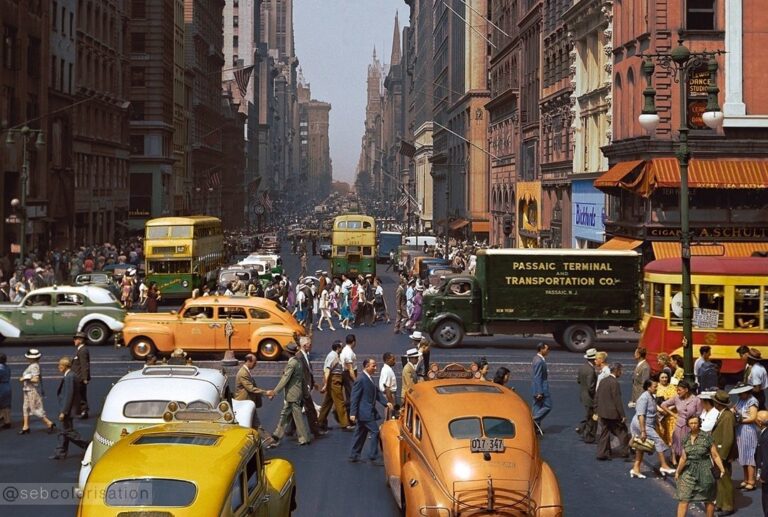
Key Models and Manufacturers of the Era
While many manufacturers produced pickups during this decade, a few stand out as particularly popular and widely available today:
- Chevrolet Advance Design (1947-1955 First Series): Arguably the most recognizable and popular classic truck, the Advance Design series (including the 3100, 3600, etc.) offered sleek, integrated styling, a wider and more comfortable cab, and improved visibility. They are known for their reliable "Stovebolt" six-cylinder engines.
- Ford F-Series (1948-1952 F-1): Ford’s first dedicated F-Series trucks were a revolutionary step, moving away from car-based chassis. The F-1 is famous for its distinctive grille, "Million Dollar Cab" (larger and more comfortable), and available flathead V8 engine, which offers a unique sound and power delivery.
- Dodge B-Series "Pilot-House" (1948-1953): Dodge’s entry into the post-war pickup market featured a "Pilot-House" cab with exceptional visibility thanks to larger windows and a higher seating position. These trucks were known for their ruggedness and often came with inline-six "Flathead" engines.
- GMC New Design (1947-1955 First Series): Mechanically similar to their Chevrolet counterparts, GMC trucks often featured different grilles, trim, and sometimes offered larger displacement engines. They share many parts with Chevrolets, making restoration easier.
- Willys-Overland Jeep Truck (1947-1965): While not as common as the "Big Three," Willys trucks offered unique styling and legendary 4×4 capability, appealing to those looking for a more rugged or off-road oriented classic.
Understanding Condition: From Barn Find to Show Stopper
When searching for a 1940-1950 pickup, understanding the different levels of condition is crucial, as it directly impacts price, required work, and your overall ownership experience.
- Barn Find/Project Truck: These are typically non-running vehicles, often discovered after years of storage. They will require extensive restoration, including bodywork, paint, engine rebuilds, electrical system overhaul, and interior work. While the purchase price is low, the total investment can be substantial. Look for complete trucks with minimal rust in critical areas like the frame and cab structure.
- Driver Quality: A truck that runs, drives, and stops, but may have cosmetic imperfections (dings, faded paint, worn interior) and possibly some minor mechanical issues. These are great for immediate enjoyment and can be improved over time. They offer a good balance of affordability and usability.
- Nicely Restored/Show Quality: These trucks have undergone professional, comprehensive restorations. They often feature flawless paint, pristine interiors, rebuilt engines, and upgraded components. They command the highest prices and are ready for shows or comfortable cruising. Be sure to inspect the quality of the restoration work thoroughly.
- Restomod: A growing trend where a classic truck retains its vintage exterior but is fitted with modern mechanicals (e.g., V8 engine, automatic transmission, power steering, disc brakes, air conditioning). These offer classic looks with modern drivability and comfort. Prices vary widely based on the extent and quality of the modifications.
Critical Inspection Points:
Regardless of the advertised condition, always inspect the following:
- Frame: Look for cracks, bends, or severe rust. A compromised frame is a major red flag.
- Body Rust: Pay close attention to cab corners, floor pans, rocker panels, fenders, and bed floor. Surface rust is manageable, but extensive rot is costly to repair.
- Engine & Drivetrain: Check for leaks, unusual noises, and proper operation. Ask about recent maintenance or rebuilds.
- Brakes & Suspension: Ensure they are in good working order. Upgrades here are common and recommended for safety.
- Electrical System: Check lights, gauges, and wiring. Old wiring can be a fire hazard.
- Title & Documentation: Verify the vehicle’s VIN and ensure the title is clear and transferable.
The Buying Process: A Step-by-Step Guide
Purchasing a classic pickup requires patience, research, and due diligence.
- Define Your Goals & Budget:
- Purpose: Do you want a daily driver, a weekend cruiser, a show truck, or a restoration project?
- Budget: Be realistic about not just the purchase price, but also potential restoration costs, maintenance, insurance, and storage. A good rule of thumb is to budget at least 25-50% of the purchase price for immediate post-purchase needs, even for a "driver."
- Research & Identify Models:
- Learn about the specific models that appeal to you. Understand their common issues, parts availability, and historical values. Online forums, classic truck clubs, and enthusiast magazines are excellent resources.
- Where to Look:
- Online Marketplaces: Hemmings.com, ClassicCars.com, eBay Motors, BringATrailer.com, Facebook Marketplace, specialized forums.
- Auctions: Mecum, Barrett-Jackson, RM Sotheby’s often feature high-end examples, but also driver-quality trucks.
- Classic Car Dealers: Reputable dealers often have inspected vehicles, but prices may be higher.
- Local Classifieds & Word-of-Mouth: Don’t underestimate local finds.
- Car Shows & Swap Meets: Great places to see trucks in person and connect with sellers.
- Initial Contact & Questions:
- Ask for detailed photos (including common rust areas, engine bay, interior, underside).
- Inquire about the vehicle’s history, maintenance records, and any known issues.
- Ask why the owner is selling.
- In-Person Inspection:
- Always try to see the truck in person. Bring a flashlight, magnet (to detect body filler), and a knowledgeable friend if possible.
- Start the engine cold to check for smoke or unusual noises.
- Take it for a test drive, paying attention to steering, braking, transmission shifts, and any vibrations.
- Pre-Purchase Inspection (PPI):
- For any significant purchase, hire an independent mechanic specializing in classic vehicles to perform a PPI. This objective assessment can uncover hidden problems and save you thousands.
- Negotiation & Purchase:
- Be prepared to negotiate, especially if you found issues during inspection.
- Ensure all paperwork (title, bill of sale) is correct and complete before money changes hands.
- Logistics:
- Arrange for transport if you’re buying out of state.
- Secure classic car insurance (Hagerty, Grundy, etc., offer specialized policies).
- Register the vehicle in your state.
Restoration vs. Preservation vs. Restomod
Choosing the right path for your classic truck is a key decision:
- Restoration: Bringing the truck back to as close to factory original condition as possible. This is a meticulous and often expensive process, requiring period-correct parts and finishes. Ideal for purists and those seeking show-level vehicles.
- Preservation (Patina): Maintaining the truck in its original, weathered state, embracing the "patina" of age and use. Mechanicals are typically brought up to excellent running order, but the exterior is left largely untouched. This approach celebrates the truck’s history and is often more budget-friendly.
- Restomod: Integrating modern components (engine, transmission, suspension, brakes, air conditioning, power steering) into the classic body. This provides modern comfort and reliability with vintage aesthetics. Costs can vary wildly depending on the level of customization. Popular for those who want to drive their classic frequently.
Common Challenges and Solutions
Owning a vintage pickup comes with its unique set of challenges, but most have readily available solutions:
- Rust: The biggest enemy. Solutions range from patch panels and body filler for minor issues to full panel replacement and professional fabrication for severe rot.
- Parts Availability: For popular models like Chevy Advance Design and Ford F-Series, aftermarket reproduction parts are abundant. For less common models, you might rely on New Old Stock (NOS), used parts from salvage yards, or custom fabrication. Online forums are invaluable for sourcing obscure parts.
- Mechanical Issues: Old engines and transmissions will eventually need rebuilding. Upgrading to modern ignition systems (e.g., 12V conversion, electronic ignition) can improve reliability. Modern brake systems (disc brakes) are highly recommended for safety.
- Lack of Modern Amenities: No power steering, power brakes, air conditioning, or comfortable seats. These can all be retrofitted, but at a cost. Many enjoy the raw, connected driving experience.
- Fuel Economy: These trucks were not built for efficiency. Expect single-digit or low-teen MPG.
- Insurance: Standard insurance policies may not adequately cover the unique value of a classic. Seek out specialized classic car insurance providers.
Practical Advice and Actionable Insights
- Set a Realistic Budget: Not just for the purchase, but for the ongoing costs of maintenance, potential repairs, and any upgrades you plan. Restoration can easily exceed the purchase price.
- Join a Club: Connect with local or online classic truck clubs. Members are an invaluable source of knowledge, advice, parts, and camaraderie.
- Don’t Rush: The perfect truck for you is out there. Take your time, do your research, and don’t feel pressured into a purchase.
- Get a Professional Opinion: Even if you’re mechanically inclined, a pre-purchase inspection by an expert can save you from costly surprises.
- Understand Your Skill Level: Be honest about what work you can do yourself and what will require professional help. Factor this into your budget.
- Consider Storage: These trucks need sheltered storage to protect them from the elements.
Estimated Price Table: 1940-1950 Pickup Trucks For Sale
Prices for classic trucks from this era vary significantly based on model, year, condition, originality, and location. The table below provides estimated ranges for popular models in various conditions. These are general guidelines; specific examples can fall outside these ranges.
| Model / Year Range | Condition: Project/Barn Find (USD) | Condition: Driver Quality (USD) | Condition: Nicely Restored/Show Quality (USD) (USD) | Notes |
|---|---|---|---|---|
| Chevrolet 3100 (1947-1950) | $5,000 – $15,000 | $18,000 – $35,000 | $40,000 – $80,000+ | Most popular, excellent parts availability. Prices at the higher end for rare options (5-window, COE) or perfect restorations. |
| Ford F-1 (1948-1950) | $6,000 – $16,000 | $20,000 – $40,000 | $45,000 – $85,000+ | Highly sought after, especially with the Flathead V8. Strong market for both original and restomod builds. Parts availability is very good. |
| Dodge B-Series (1948-1950) | $4,000 – $12,000 | $15,000 – $30,000 | $35,000 – $65,000+ | Less common than Chevy/Ford, but gaining popularity. Good rugged choice. Parts can be slightly harder to find but are available. "Pilot-House" cab is a distinctive feature. |
| GMC New Design (1947-1950) | $5,000 – $15,000 | $18,000 – $35,000 | $40,000 – $75,000+ | Shares many mechanicals with Chevrolet, but often with unique grilles and trim. Good option for those wanting a Chevy-like truck with a slightly different look. |
| Willys-Overland Jeep Truck (1947-1950) | $3,000 – $10,000 | $12,000 – $28,000 | $30,000 – $60,000+ | Known for 4×4 capability (though 2WD versions exist). More niche market. Parts can be more specialized. A unique choice for off-road enthusiasts. |
| Other Manufacturers (e.g., Studebaker, International) | $3,000 – $10,000 | $10,000 – $25,000 | $25,000 – $55,000+ | Often more affordable as projects or drivers due to lower demand and potentially harder-to-find parts. Can be excellent value for a unique classic, but research parts availability thoroughly. |
Note: Prices are estimates and subject to change based on market demand, location, specific features (e.g., long bed vs. short bed, engine type), and documentation. Always conduct thorough research and get a professional appraisal.
Frequently Asked Questions (FAQ)
Q1: Are parts readily available for these trucks?
A1: For popular models like the Chevrolet Advance Design and Ford F-Series, parts availability is excellent, with many reproduction parts manufacturers. For less common makes, parts might require more searching through specialty vendors, online forums, or used parts suppliers.
Q2: Are 1940-1950 pickup trucks hard to drive?
A2: Compared to modern vehicles, yes. They typically lack power steering, power brakes, and automatic transmissions, requiring more physical effort. However, many owners enjoy this connected, "raw" driving experience. Upgrades like power steering/brakes and modern transmissions are common restomod improvements.
Q3: Can these trucks be daily drivers?
A3: While possible, it’s generally not recommended for stock vehicles due to their lack of modern safety features, comfort, and fuel efficiency. Restomods, with their upgraded mechanicals, can serve as reliable daily drivers, but maintenance will still be higher than a new car.
Q4: What’s the biggest challenge when restoring one of these trucks?
A4: Rust repair is often the most time-consuming and expensive aspect of a full restoration. Extensive bodywork and panel replacement require specialized skills and tools.
Q5: How much does a full restoration cost?
A5: A professional, frame-off restoration can easily cost anywhere from $30,000 to $100,000 or more, often exceeding the truck’s initial purchase price. DIY restorations can save on labor but still require significant investment in parts and materials.
Q6: What’s the difference between "original," "patina," and "restomod"?
A6:
- Original: As close to factory condition as possible, including original paint, interior, and mechanicals.
- Patina: The truck retains its aged, weathered appearance (faded paint, surface rust) but is mechanically sound and reliable.
- Restomod: Combines the classic exterior with modern mechanical components (engine, transmission, suspension, brakes) for improved performance, safety, and comfort.
Q7: Where is the best place to find one for sale?
A7: Online classic vehicle marketplaces (Hemmings, ClassicCars.com, eBay), classic car auctions, and specialized classic truck forums are excellent starting points. Local classifieds, car shows, and word-of-mouth can also yield hidden gems.
Conclusion
The appeal of 1940 to 1950 pickup trucks for sale is undeniable. These vehicles are more than just modes of transport; they are rolling pieces of art, testaments to American industrial design, and a tangible link to a bygone era. Whether you envision a meticulously restored showpiece, a rugged patina’d workhorse, or a modern-powered restomod, the journey of acquiring and enjoying one of these classic trucks is incredibly rewarding. By understanding the market, thoroughly inspecting potential purchases, and planning for the realities of classic vehicle ownership, you can confidently embark on the exciting adventure of bringing a piece of automotive history home. Happy hunting!