1977 Ford Pickup Trucks For Sale: A Comprehensive Buyer’s Guide pickup.truckstrend.com
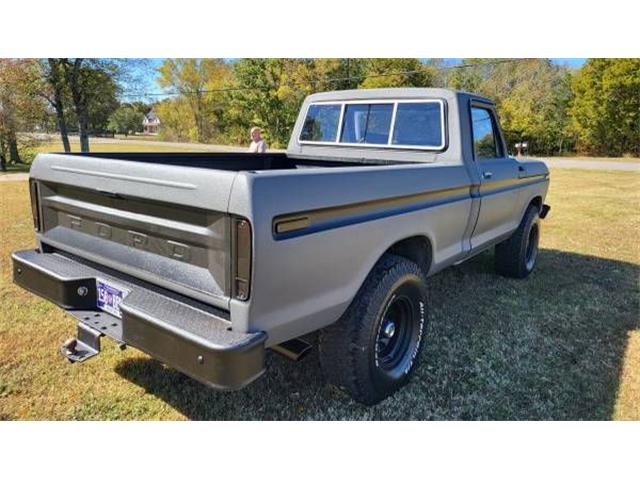
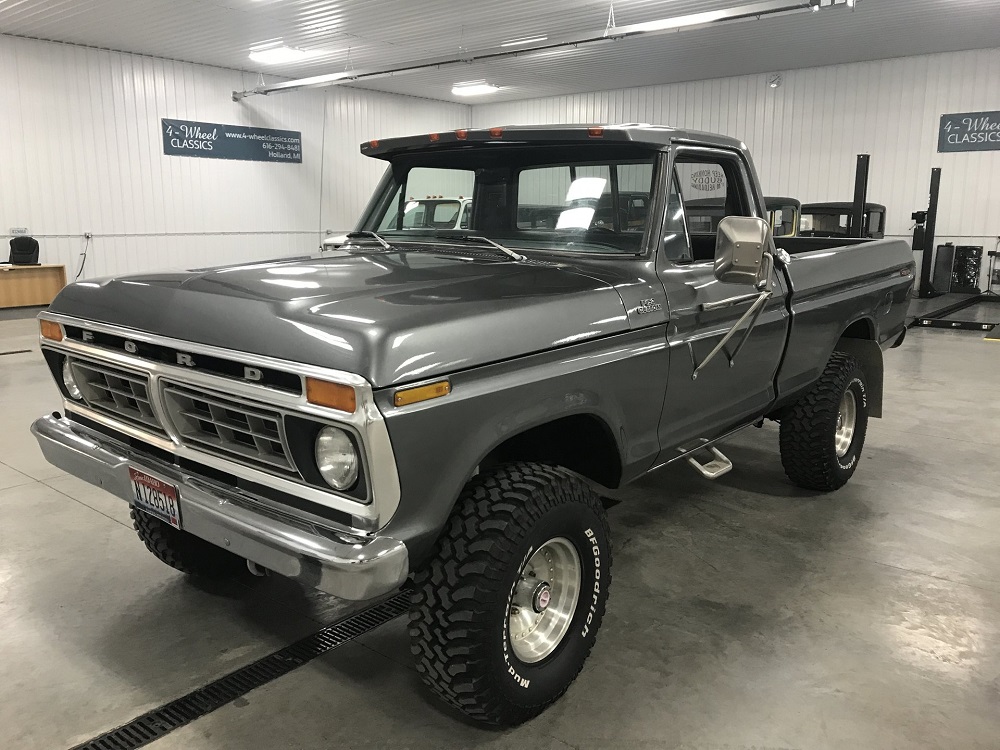
The year 1977 marked a significant point in the history of the Ford F-Series pickup truck. As part of the iconic sixth generation (1973-1979), often affectionately known as the "Dentside" for its distinctive body lines, the 1977 Ford pickup represents a sweet spot for enthusiasts and practical users alike. These trucks embody the rugged durability, straightforward mechanics, and timeless American styling that defined an era. For sale today, a 1977 Ford pickup isn’t just a used vehicle; it’s a piece of automotive heritage, a potential workhorse, or a canvas for a custom build. This comprehensive guide will delve into everything you need to know about finding, evaluating, and owning one of these classic machines.
The Enduring Appeal of the 1977 Ford F-Series
1977 Ford Pickup Trucks For Sale: A Comprehensive Buyer’s Guide
Why do 1977 Ford F-Series trucks continue to capture the imagination of so many? The answer lies in a combination of factors. The "Dentside" generation, with its more squared-off lines and prominent grille, struck a perfect balance between utilitarianism and style. They were built for work, designed to withstand abuse, and engineered with simplicity that makes them relatively easy to maintain and repair even decades later.
The 1977 model year, in particular, benefited from several years of refinements within the sixth generation. It offered a wide array of engine options, from the venerable 300 cubic inch inline-six to powerful V8s, ensuring there was a truck for every need. Furthermore, the rise of the F-150 as the primary light-duty truck (due to emission regulations affecting the F-100) gave buyers more payload capacity without stepping up to a heavy-duty model. This blend of reliability, versatility, and classic aesthetics has cemented the 1977 Ford pickup’s status as a highly sought-after classic that continues to appreciate in value, offering both nostalgic charm and practical utility.
Key Models and Configurations of 1977 Ford Pickups
The 1977 F-Series offered an impressive variety of configurations, catering to a diverse range of buyers, from farmers and construction workers to families and recreational users. Understanding these options is crucial when searching for the right truck:
- F-100: The traditional half-ton light-duty pickup. In 1977, its GVWR (Gross Vehicle Weight Rating) kept it under a certain threshold for emission regulations, making the F-150 a more popular choice for many.
- F-150: Often referred to as the "heavy-half," the F-150 was designed to bridge the gap between the F-100 and F-250. It offered a higher GVWR, making it exempt from certain catalytic converter requirements that applied to the F-100, and quickly became the best-selling truck in America.
- F-250: The three-quarter-ton heavy-duty pickup, designed for heavier loads and towing. Often equipped with robust axles and braking systems.
- F-350: The one-ton heavy-duty chassis cab or pickup, ideal for the heaviest commercial applications or carrying large slide-in campers.
Engine Options:
Ford offered a range of dependable engines in 1977:
- 300 cu in (4.9L) I6: The legendary "Big Six," known for its incredible torque, durability, and fuel efficiency (for its time). A workhorse engine.
- 302 cu in (5.0L) V8: A smaller V8, offering a good balance of power and economy, often found in F-100/F-150 models.
- 351M cu in (5.8L) V8: A modified 351 Cleveland design, offering more power than the 302.
- 400 cu in (6.6L) V8: A larger displacement version of the 351M, providing significant torque and power for heavier-duty applications.
- 460 cu in (7.5L) V8: The largest V8 offered, typically found in F-250 and F-350 models, providing maximum power for towing and hauling.
Transmission Options:
- Manual: 3-speed column shift, 4-speed floor shift (including the New Process NP435 and Borg-Warner T-18 for heavy duty).
- Automatic: Ford’s robust C6 (heavy-duty) and the FMX (medium-duty).
Drivetrain:
- 2WD: Rear-wheel drive, standard for most models.
- 4WD: Available on F-150, F-250, and F-350, utilizing either a New Process or Borg-Warner transfer case.
Cab Styles:
- Regular Cab: The classic single-row seating.
- SuperCab: Introduced in 1974, offering a small rear bench seat or storage area behind the front seats, with extended cab doors (but not full rear doors).
- Crew Cab: A true four-door configuration, much rarer and highly sought after, especially in 4WD.
Bed Lengths:
- Short Bed: Approximately 6.5 feet.
- Long Bed: Approximately 8 feet.
Trim Levels:
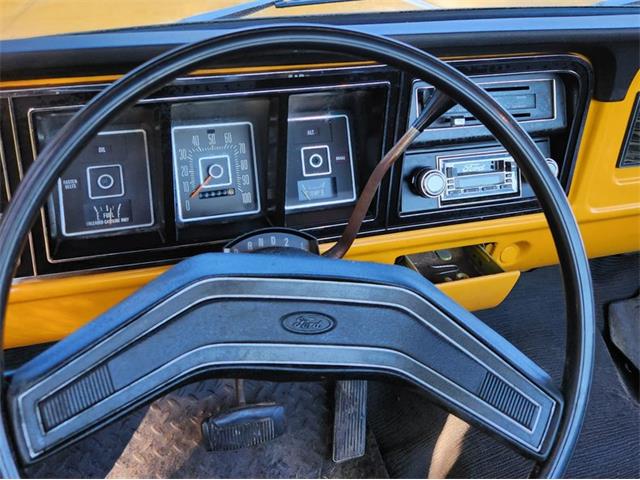
From the basic "Custom" to the more luxurious "Ranger XLT" and "Lariat," trim levels dictated interior comforts, exterior chrome, and optional features like air conditioning, power steering, and power brakes.
What to Look For When Buying a 1977 Ford Pickup
Purchasing a vintage truck requires a keen eye and thorough inspection. Here are the critical areas to scrutinize:
- Rust: This is the primary enemy of any classic vehicle. Pay close attention to:
- Cab Corners and Rocker Panels: These areas are highly susceptible.
- Floor Pans: Check under the carpet and around the transmission tunnel.
- Fender Wells: Especially in front of and behind the tires.
- Bed: Look for rust in the bed floor, inner fender wells, and bed rails.
- Frame: Inspect the entire frame for excessive surface rust, pitting, or, worst of all, rot or previous frame repairs.
- Body Mounts: Check the condition of the rubber mounts and the metal where they attach to the frame and cab.
- Engine Condition:
- Look for visible oil leaks (valve covers, oil pan, rear main seal).
- Check for smoke from the exhaust (blue for oil, white for coolant, black for rich fuel).
- Listen for unusual noises (knocks, taps, squeals).
- Check fluid levels and condition.
- Ask about recent maintenance or rebuilds.
- Transmission and Drivetrain:
- Manual: Check for smooth shifting, clutch engagement, and grinding noises.
- Automatic: Ensure shifts are firm and not slipping. Check fluid color and smell.
- 4WD: Engage 4WD high and low to ensure the transfer case works. Listen for clunks from U-joints.
- Inspect driveshafts, differentials, and axles for leaks or damage.
- Brakes and Steering:
- Test drive to ensure the truck stops straight and firmly. Listen for squealing or grinding.
- Check for excessive play in the steering wheel. Look at steering box, tie rods, and ball joints.
- Electrical System:
- Test all lights (headlights, tail lights, turn signals, brake lights), wipers, horn, and gauges.
- Look for shoddy wiring or aftermarket additions that could be fire hazards.
- Interior:
- Assess the condition of the seat upholstery, dash pad (cracks are common), headliner, and door panels.
- Ensure all gauges work. Test the heater and, if equipped, the air conditioning.
- Documentation:
- A clean title is essential.
- Service records, if available, can provide valuable insight into the truck’s history.
- Original owner’s manuals or sales brochures are a nice bonus.
- VIN Decoding: Understand how to decode the VIN (Vehicle Identification Number) to verify the original engine, plant, and model.
Restoration vs. Driver: Making the Right Choice
Before you start your search, decide on your intended use for the truck, as this will heavily influence your budget and the type of truck you seek.
- Show-Quality Restoration: These trucks are typically stripped down to the frame, with every component restored or replaced. They command the highest prices and are often trailered to shows rather than regularly driven. If you want a perfect truck and don’t mind paying a premium, this is your option.
- High-Quality Driver/Restomod: These trucks are in excellent cosmetic and mechanical condition, often with modern upgrades (e.g., fuel injection, improved suspension, disc brakes). They are reliable for regular driving and still turn heads. They offer a balance of classic looks and modern usability.
- Good Driver: These are functional, reliable trucks that might have some minor imperfections in paint or interior. They are perfect for daily use, light hauling, or as a starting point for gradual improvements. This is often the best value for someone wanting to enjoy a classic without breaking the bank.
- Project Truck: These require significant work, ranging from major mechanical repairs to full bodywork. They are the most affordable but demand a substantial investment of time, money, and skill. Only consider a project if you have the resources and expertise for a major undertaking.
Finding Your 1977 Ford Pickup: Where to Look
The market for classic trucks is robust, offering several avenues for finding a 1977 Ford:
- Online Marketplaces:
- eBay Motors: Wide selection, often with good photos and detailed descriptions.
- Craigslist/Facebook Marketplace: Local listings, often requiring quick action and in-person viewing. Be wary of scams.
- Classic Car/Truck Specific Sites: Hemmings Motor News, ClassicCars.com, Bring a Trailer (for higher-end examples), and dedicated Dentside forums are excellent resources.
- Local Classifieds & Word of Mouth: Sometimes the best deals are found through local ads or simply by asking around.
- Auctions: Major automotive auctions (Mecum, Barrett-Jackson) can have beautifully restored examples, but prices can be high due to auction fever. Local classic car auctions might offer more accessible options.
- Specialized Dealerships: Some dealerships specialize in classic trucks and will have thoroughly vetted vehicles, but often at a premium.
Maintaining Your Classic 1977 Ford Pickup
Owning a 1977 Ford pickup is a rewarding experience, and its inherent simplicity makes maintenance relatively straightforward.
- Regular Fluid Changes: Oil, transmission fluid, differential fluid, and coolant should be checked and changed according to a regular schedule.
- Lubrication: Grease chassis components (ball joints, tie rod ends) regularly.
- Brake Inspection: Check brake pads/shoes, lines, and fluid levels.
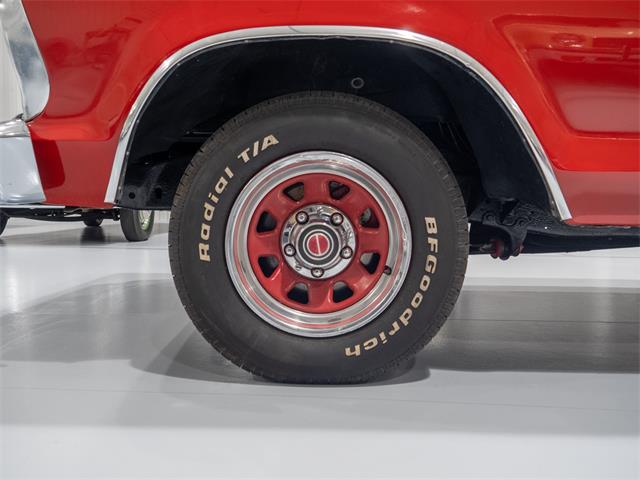
- Tire Pressure: Maintain correct tire pressure for safety and longevity.
- Addressing Small Issues: Don’t let minor problems fester. A small leak or strange noise can quickly escalate if ignored.
- Parts Availability: Fortunately, parts for 1973-1979 F-Series trucks are surprisingly abundant. Many mechanical components are shared with other Ford models, and reproduction body panels, interior pieces, and trim are readily available from numerous aftermarket suppliers.
- Community Support: Online forums, Facebook groups, and local classic truck clubs offer a wealth of knowledge, advice, and camaraderie for Dentside owners.
Estimated Price Guide for 1977 Ford Pickup Trucks
Prices for 1977 Ford F-Series pickups can vary wildly based on condition, model, engine, drivetrain (4×4 vs. 2WD), and location. This table provides a general estimate:
| Condition Category | Description | Typical Price Range (USD) | Notes