1979 Chevy Trucks For Sale: A Comprehensive Buyer’s Guide pickup.truckstrend.com
The year 1979 marked a significant point in automotive history, particularly for truck enthusiasts. It was the final year of the third-generation "Square Body" Chevrolet C/K series before a major refresh, solidifying its status as a beloved classic. For many, the 1979 Chevy truck represents a perfect blend of rugged utility, timeless design, and accessible mechanics, making it a highly sought-after vehicle in today’s classic truck market. Whether you’re a seasoned collector, a first-time classic truck owner, or someone looking for a reliable project vehicle, understanding what makes the 1979 Chevy truck so special – and what to look for when buying one – is crucial. This comprehensive guide aims to equip you with the knowledge needed to navigate the world of 1979 Chevy trucks for sale.
Why the 1979 Chevy Truck Endures: An Icon’s Appeal
1979 Chevy Trucks For Sale: A Comprehensive Buyer’s Guide
The allure of the 1979 Chevy truck stems from several key factors. Firstly, its iconic "Square Body" design, introduced in 1973, is instantly recognizable and has aged remarkably well. These trucks exude a no-nonsense, utilitarian charm that appeals to a wide demographic. They were built during an era when trucks were primarily tools for work, designed for durability and ease of maintenance, rather than luxury.
Beyond aesthetics, 1979 Chevy trucks are renowned for their robust construction and mechanical simplicity. Powered predominantly by Chevrolet’s legendary small-block and big-block V8 engines (like the 350 and 454 cubic inch options), alongside resilient inline-sixes, these trucks offer dependable performance and a wealth of aftermarket support. Their straightforward design means that many repairs and upgrades can be tackled by a home mechanic, fostering a strong DIY culture around them. This combination of classic looks, mechanical reliability, and a thriving enthusiast community makes the 1979 Chevy truck a compelling choice for anyone seeking a piece of American automotive heritage that can still work and play hard.
Understanding the 1979 Chevy Truck Lineup: Models and Configurations
Before diving into the market, it’s essential to understand the various models and configurations available for the 1979 Chevy truck. The C/K series nomenclature denotes the drivetrain: ‘C’ for two-wheel-drive (2WD) and ‘K’ for four-wheel-drive (4WD). The numbers following (10, 20, 30) indicate the truck’s capacity:
- C/K10: Half-ton models, the most common and popular for daily driving or light hauling.
- C/K20: Three-quarter-ton models, built for heavier loads and towing.
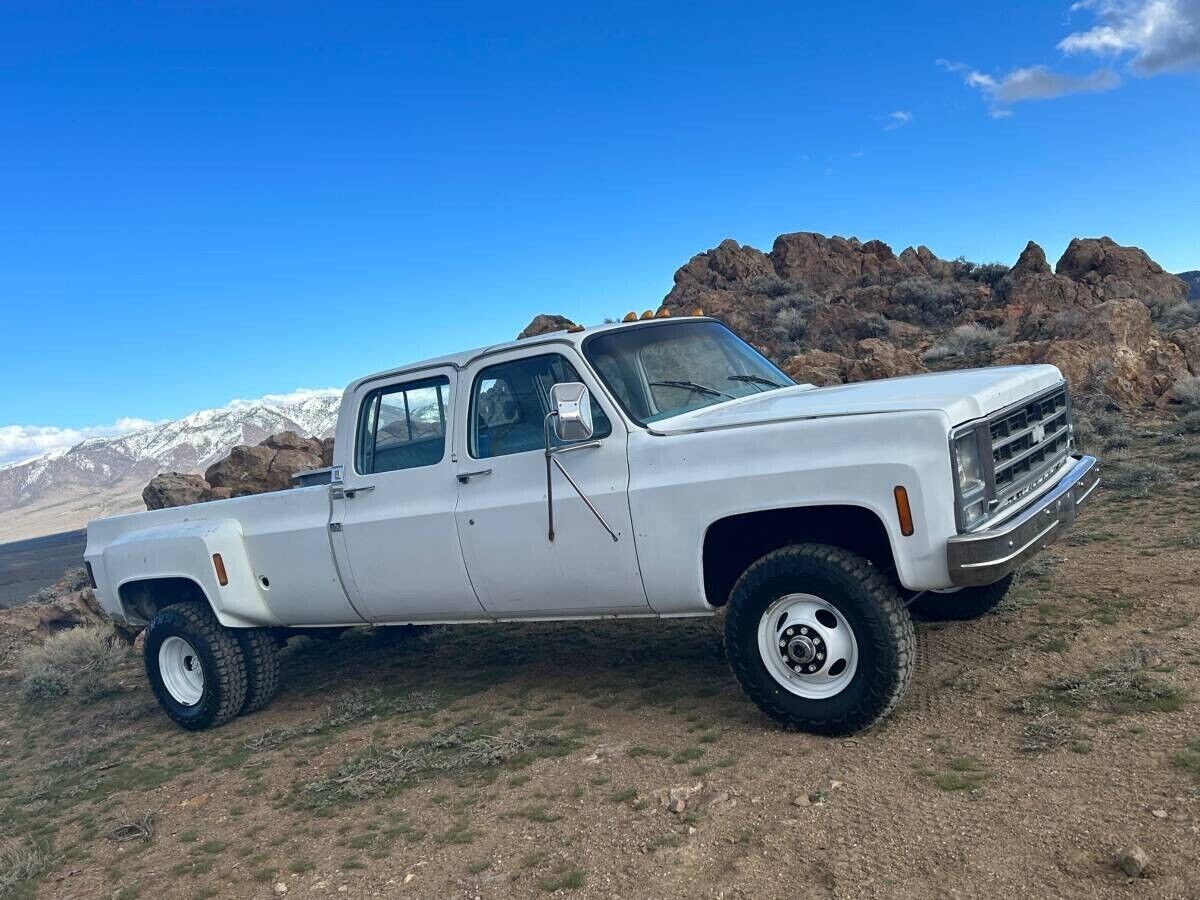
- C/K30: One-ton models (often referred to as ‘duallies’ in 2WD form), designed for maximum payload and serious work.
Body Styles:
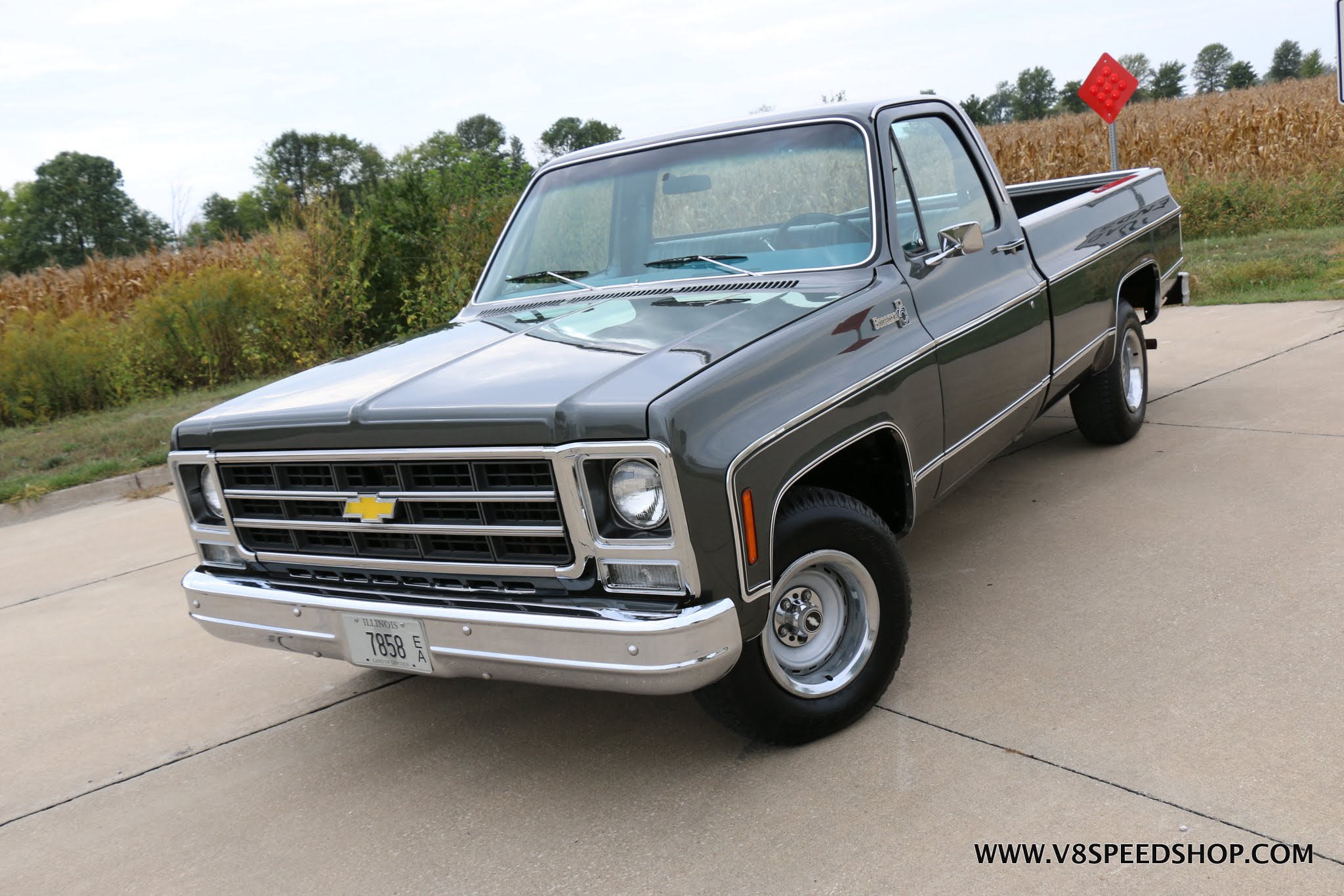
- Fleetside: The most common bed style, featuring smooth, straight bed sides.
- Stepside: A narrower bed with external fender wells and steps on the sides, offering a more vintage appearance.
- Cab Configurations: Regular Cab (single row of seats), Crew Cab (four doors, popular for restoration and custom builds), and Chassis Cab (for custom beds or utility bodies).
- Utility Vehicles: The 1979 lineup also included the full-size Blazer (a two-door SUV, known for its removable top on some models) and the Suburban (a larger, four-door SUV).
Trim Levels:
Chevrolet offered several trim levels, ranging from basic work trucks to more comfortable daily drivers:
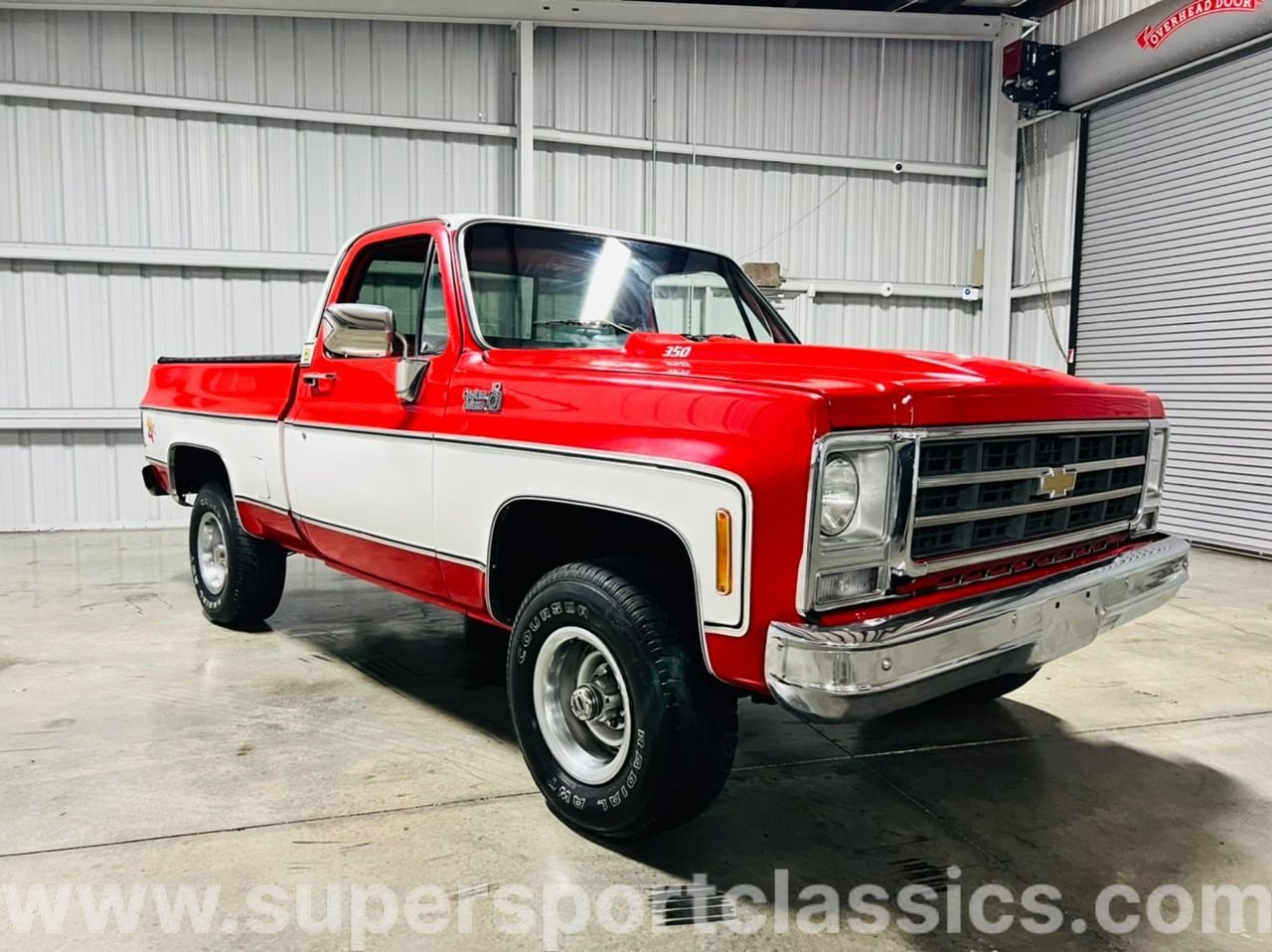
- Custom Deluxe: The entry-level trim, often sparse with vinyl interiors.
- Scottsdale: A step up, offering more amenities and comfort features.
- Cheyenne: A mid-range trim with more interior upgrades like cloth seats, better trim, and some chrome accents.
- Silverado: The top-tier trim, featuring plush interiors, extensive chrome, power options, and often more powerful engine choices.
Understanding these variations is crucial as they significantly impact a truck’s rarity, desirability, and ultimately, its market value. A K20 Silverado Crew Cab will command a vastly different price than a C10 Custom Deluxe regular cab.
What to Look For: A Pre-Purchase Inspection Guide
Buying a vintage truck like a 1979 Chevy requires a thorough inspection. While the mechanicals are generally robust, age and previous owners’ care (or lack thereof) can lead to significant issues.
- Rust, Rust, Rust: This is the primary enemy of Square Body trucks.
- Cab Corners and Rocker Panels: These are notorious rust spots due to water and debris accumulation. Check thoroughly, inside and out.
- Fender Wells and Inner Fenders: Especially around the headlights and behind the wheels.
- Bed Floor and Crossmembers: Look for rot, particularly where the bed meets the cab and around the wheel wells.
- Frame: Inspect the entire frame for cracks, bends, or severe corrosion. Pay attention to areas around the suspension mounting points.
- Doors, Hood, and Tailgate: Check for rust along the bottom edges and seams.
- Engine and Drivetrain:
- Leaks: Look for oil, coolant, or transmission fluid leaks. A little weeping is common, but significant drips indicate problems.
- Smoke: Blue smoke (burning oil), white smoke (burning coolant), or black smoke (rich fuel mixture) from the exhaust are red flags.
- Sounds: Listen for knocks, ticks, or unusual noises.
- Transmission: Check fluid color and smell. During a test drive, ensure smooth shifts (automatic) or proper engagement (manual) without grinding or slipping.
- 4×4 System (K-series): Test the transfer case engagement (2H, 4H, 4L) and listen for unusual noises from the differentials.
- Interior Condition:
- Seats: Check for rips, tears, and overall wear.
- Dashboard: Look for cracks, especially common on the padded dashboards.
- Gauges and Electrical: Ensure all gauges work, lights function (headlights, taillights, turn signals), and power accessories (if equipped) operate. Test the heater and air conditioning (if present).
- Floor Pans: Lift floor mats to check for rust or patches.
- Suspension, Steering, and Brakes:
- Suspension: Look for sagging, worn bushings, or damaged shocks.
- Steering: Check for excessive play in the steering wheel.
- Brakes: Ensure they feel firm and stop the truck smoothly without pulling to one side.
- Documentation and Always ensure the vehicle has a clear title and that the VIN on the title matches the VIN on the truck. Check for any lien or salvage history.
Restoration Project vs. Driver Quality: Setting Expectations
When considering 1979 Chevy trucks for sale, you’ll encounter vehicles across a wide spectrum of conditions. Deciding whether you want a full-blown restoration project or a "driver quality" truck is crucial for managing budget, time, and expectations.
- Restoration Project: These trucks will often be significantly cheaper upfront but require substantial investment in parts, labor, and time. They might have extensive rust, non-running engines, or incomplete interiors. This path is ideal for someone with significant mechanical skills, a dedicated workspace, and a long-term vision. The reward is a truck tailored precisely to your specifications, often with a higher potential resale value if done meticulously.
- Driver Quality: These trucks are typically in running and driving condition, perhaps with some cosmetic flaws or minor mechanical issues. They can be enjoyed immediately and improved over time. This is a great option for those who want to experience classic truck ownership without the immense commitment of a full restoration. Prices will be higher than projects, but the immediate gratification and lower initial effort often make it worthwhile.
- Show Quality/Restored: These are trucks that have already undergone a professional, high-level restoration. They will command the highest prices but offer a turn-key classic experience. While you’ll pay a premium, you’re buying someone else’s investment in time and money, and often getting a truck that’s ready for shows or immediate enjoyment.
Remember, even a "driver quality" truck will likely need ongoing maintenance and minor repairs. Factor this into your budget.
Where to Find 1979 Chevy Trucks For Sale
The market for 1979 Chevy trucks is robust, offering several avenues for finding your ideal vehicle:
- Online Marketplaces: Websites like Craigslist, Facebook Marketplace, eBay Motors, and specialized classic car classifieds (e.g., Hemmings, AutoTrader Classics) are excellent starting points. Use specific search terms like "1979 Chevy C10," "1979 K5 Blazer," or "Squarebody pickup."
- Specialized Forums and Communities: Online forums dedicated to Square Body trucks (e.g., Squarebody.com forums, specific Facebook groups) often have "for sale" sections where enthusiasts list their vehicles. This can be a great way to find well-maintained trucks from knowledgeable owners.
- Classic Car Dealerships: Many dealerships specialize in vintage vehicles. While prices might be higher due to dealer markups, these trucks often undergo some level of inspection and preparation, offering a more curated buying experience.
- Auctions: Major auction houses (Mecum, Barrett-Jackson) occasionally feature high-end restored 1979 Chevy trucks. Local estate or equipment auctions might offer project vehicles at lower prices.
- Word of Mouth & Local Classifieds: Don’t underestimate the power of local connections. Check local classified ads, bulletin boards, and even ask mechanics or auto body shops in your area if they know of any trucks for sale.
Pricing Considerations: What to Expect
The price of a 1979 Chevy truck can vary dramatically based on its condition, rarity, configuration, and geographic location. A rough breakdown might look like this:
| Condition Category | Body Style / Model | Estimated Price Range (USD) | Notes |
|---|---|---|---|
| Project/Parts Truck | C10, C20, K10 | $2,000 – $6,000 | Non-running, significant rust, incomplete. For experienced restorers. |
| Driver Quality | C10 Fleetside | $7,000 – $15,000 | Running, driving, minor rust/cosmetic flaws, needs TLC. Most common. |
| K10 4×4, C20/K20 | $10,000 – $20,000 | Good mechanicals, presentable, some wear. | |
| Blazer, Suburban, Crew Cab | $12,000 – $25,000 | Higher demand due to versatility and rarity. | |
| Good Condition | C10 Fleetside | $16,000 – $25,000 | Minimal rust, good paint, solid interior, well-maintained mechanics. |
| K10 4×4, C20/K20 | $20,000 – $35,000 | Clean examples, ready to enjoy. | |
| Blazer, Suburban, Crew Cab | $25,000 – $45,000 | Nicely preserved or lightly restored. | |
| Show Quality/Restored | C10 Fleetside | $25,000 – $50,000+ | Professionally restored, excellent paint, new interior, rebuilt engine. |
| K10 4×4, Blazer, Suburban, Crew Cab | $35,000 – $80,000+ | Top-tier restorations, often with modern upgrades (EFI, AC, etc.). |
Important Notes on Pricing:
- Location Matters: Trucks from dry climates (Southwest US) typically command higher prices due to less rust.
- Modifications: Well-done, tasteful modifications (e.g., fuel injection conversion, upgraded suspension, modern wheels) can increase value, while poor or extreme mods can detract.
- Originality vs. Custom: Highly original, low-mileage examples in pristine condition can sometimes fetch collector-level prices. Custom builds with significant investment can also be at the high end.
- Documentation: Original build sheets, service records, or a clear ownership history can add value.
Common Challenges and Practical Solutions
Owning a 1979 Chevy truck comes with its own set of unique challenges, but thankfully, most have practical solutions.
- Rust: As mentioned, rust is prevalent.
- Solution: For minor rust, proper sanding, rust conversion, and paint can suffice. For more severe areas, patch panels or full panel replacement (cab corners, rockers, fenders, bed sides) are available from numerous aftermarket suppliers. Professional bodywork is often required for a seamless repair. Prevention is key: keep the truck clean and dry, especially in rust-prone areas.
- Fuel Economy: These trucks were built before modern fuel efficiency standards. Expect single-digit to low-teen MPG, especially with V8 engines.
- Solution: For a daily driver, consider an aftermarket electronic fuel injection (EFI) conversion kit. This significantly improves starting, idle, and fuel economy. Swapping to an overdrive transmission (like a 700R4 or 4L60E) can also help, but it’s a more involved and costly modification.
- Lack of Modern Comforts: Many base models lacked power windows, power locks, or robust air conditioning.
- Solution: Aftermarket kits are available to add power windows, cruise control, and modern AC systems. Upgraded sound insulation can improve cabin quietness.
- Finding Knowledgeable Mechanics: Not all general repair shops are equipped or willing to work on older vehicles.
- Solution: Seek out specialized classic car shops, hot rod builders, or independent mechanics with experience in vintage American iron. Joining local classic truck clubs can also lead to recommendations.
- Parts Availability: While generally good, some specific trim pieces or unique components can be harder to source.
- Solution: Leverage the vast aftermarket for mechanical components and common body panels. For rare trim, scour online forums, eBay, junkyards specializing in older vehicles, or classic truck swap meets.
Conclusion: Driving a Piece of American History
The 1979 Chevy truck holds a special place in the hearts of automotive enthusiasts. Its rugged good looks, mechanical simplicity, and undeniable charm make it a highly desirable classic. Whether you’re seeking a project to pour your passion into, a reliable driver for weekend cruises, or a fully restored showpiece, the market for 1979 Chevy trucks offers a wide array of options. By understanding the different models, knowing what to look for during an inspection, setting realistic expectations for condition and price, and being prepared for common challenges, you can confidently embark on your journey to owning a piece of American automotive history. With proper care, a 1979 Chevy truck isn’t just a vehicle; it’s a statement, a hobby, and a testament to an era of durable, no-nonsense engineering.
Frequently Asked Questions (FAQ) About 1979 Chevy Trucks
Q1: Why are 1979 Chevy trucks so popular today?
A1: They are popular due to their iconic "Square Body" design, robust construction, mechanical simplicity (making them easy to work on), and strong aftermarket support. They represent a golden era of American truck manufacturing.
Q2: Are parts hard to find for a 1979 Chevy truck?
A2: Generally, no. Most mechanical parts are readily available, and there’s a thriving aftermarket for reproduction body panels, interior components, and trim pieces. Common wear items are often cross-compatible with other GM vehicles of the era.
Q3: What’s the difference between a ‘C’ and a ‘K’ series truck?
A3: ‘C’ denotes a two-wheel-drive (2WD) truck, while ‘K’ denotes a four-wheel-drive (4WD) truck. The numbers (10, 20, 30) refer to the half-ton, three-quarter-ton, and one-ton capacities, respectively.
Q4: What kind of fuel economy can I expect from a 1979 Chevy truck?
A4: Fuel economy is not their strong suit. Most V8-powered 1979 Chevy trucks will get between 8 and 15 miles per gallon, depending on engine size, transmission, and driving conditions. Aftermarket EFI conversions can improve this.
Q5: Can a 1979 Chevy truck be a reliable daily driver?
A5: Yes, with proper maintenance and possibly some modern upgrades (like an EFI system or a modern overdrive transmission), a 1979 Chevy truck can be a reliable daily driver. However, be prepared for less comfort and convenience than a modern vehicle.
Q6: What are the most common rust spots to check for?
A6: The most common rust areas include cab corners, rocker panels, lower fender wells, bed floor supports, and the areas around the headlights and taillights. Always inspect the frame thoroughly for rust or damage as well.
Q7: How much should I budget for a decent, running 1979 Chevy truck?
A7: For a "driver quality" truck that runs and drives well but might have some cosmetic flaws, expect to pay anywhere from $7,000 to $20,000, depending on the model (e.g., C10 vs. K5 Blazer) and overall condition. Show-quality trucks can easily exceed $30,000-$50,000+.