1980 Ford Trucks For Sale: A Comprehensive Buyer’s Guide to the Iconic Bullnose pickup.truckstrend.com
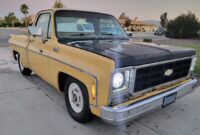
The year 1980 marked a significant turning point for Ford’s legendary F-Series trucks, ushering in the seventh generation, affectionately known to enthusiasts as the "Bullnose." This new iteration brought a fresh, more aerodynamic design, improved interior comfort, and a continued commitment to the rugged durability that had defined Ford pickups for decades. Today, 1980 Ford trucks are highly sought after by collectors, restorers, and practical enthusiasts alike. They represent a sweet spot in classic truck ownership: old enough to be distinctive and simple, yet modern enough to be practical and adaptable for various uses. Whether you’re seeking a dependable workhorse, a nostalgic weekend cruiser, or a platform for a custom build, understanding the nuances of these iconic vehicles is crucial when looking for a 1980 Ford truck for sale.
This comprehensive guide will delve into what makes the 1980 Ford truck so special, where to find them, what to look for, and what to expect from ownership, ensuring you make an informed decision on your journey to owning a piece of automotive history.
1980 Ford Trucks For Sale: A Comprehensive Buyer’s Guide to the Iconic Bullnose
The Dawn of the Bullnose: What Defines a 1980 Ford Truck?
The 1980 model year introduced a completely redesigned F-Series, departing from the "Dentside" generation. The most striking change was the more squared-off, aerodynamic front end, which earned it the "Bullnose" moniker. This generation ran until 1986, but the 1980 models hold a unique place as the first of their kind.
Key characteristics of the 1980 Ford F-Series include:
- Models: The lineup included the F-100 (half-ton, gradually phased out), F-150 (the primary half-ton, offering greater GVWR than the F-100), F-250 (three-quarter ton), and F-350 (one-ton). Each offered various configurations, including regular cab, SuperCab (extended cab), and different bed lengths (Styleside and Flareside).
- Engines: A range of robust engines powered these trucks:
- 300 cubic inch (4.9L) Inline-Six: Renowned for its legendary durability, torque, and fuel efficiency. A common choice for work trucks.
- 302 cubic inch (5.0L) V8: A popular small-block option, offering a good balance of power and economy.
- 351M (Modified) / 400 cubic inch (6.6L) V8: Larger displacement V8s providing more power, often found in F-250/F-350 models.
- 460 cubic inch (7.5L) V8: The largest and most powerful engine available, a torque monster ideal for heavy hauling and towing.

- Transmissions: Both manual and automatic transmissions were offered. Manuals included 3-speed and 4-speed units, while automatics typically featured the C6 (heavy-duty) and, later in the generation, the AOD (Automatic Overdrive) for improved fuel economy.
- Suspension: Two-wheel-drive models continued to utilize Ford’s Twin I-Beam independent front suspension, known for its ride comfort and strength. Four-wheel-drive models typically featured a solid front axle for maximum off-road capability and durability.
- Trim Levels: From the basic "Custom" to the more upscale "Ranger," "Ranger XLT," and the top-tier "Lariat," these trims offered varying levels of interior amenities, chrome accents, and two-tone paint options.
The 1980 Ford truck represents a blend of classic truck simplicity with early hints of modern design and comfort, making it a compelling choice for today’s market.
Why Buy a 1980 Ford Truck Today? Benefits and Appeal
The enduring popularity of the 1980 Ford F-Series is no accident. There are several compelling reasons why these trucks continue to be highly sought after:
- Unmatched Durability and Reliability: These trucks were built to last. Their robust frames, simple mechanical systems, and relatively low-tech electronics make them incredibly dependable, often outlasting many newer vehicles with proper maintenance.
- Distinctive Classic Aesthetics: The "Bullnose" design is instantly recognizable and highly regarded among truck enthusiasts. It possesses a rugged yet clean aesthetic that stands out from modern pickups and earlier generations alike.
- Versatility for Any Purpose: A 1980 Ford truck can be whatever you need it to be. It can serve as a dependable daily driver, a weekend project, a capable off-roader (especially 4×4 models), a show truck, or a practical hauler for home projects.
- Excellent Parts Availability: Due to their widespread production and the longevity of the Bullnose generation, parts (both OEM and aftermarket) are readily available. This makes maintenance, repair, and restoration projects much more manageable and affordable than for many other vintage vehicles.
- Ease of Maintenance and Customization: With fewer complex electronic systems, these trucks are relatively straightforward to work on for the average DIY mechanic. Their simple architecture also makes them ideal platforms for customization, from engine swaps and suspension modifications to interior upgrades.
- Growing Investment Potential: Well-preserved, original, or professionally restored 1980 Ford trucks have seen a steady appreciation in value over recent years. They are becoming increasingly recognized as desirable collector vehicles.
Navigating the Market: Where to Find 1980 Ford Trucks For Sale
Finding the right 1980 Ford truck requires a strategic approach. Here are the primary avenues to explore:
- Online Marketplaces:
- eBay Motors: Offers a wide range of trucks, from project vehicles to fully restored examples, often with detailed descriptions and photos.
- Craigslist & Facebook Marketplace: Excellent for finding local deals, often from private sellers. Be prepared to travel and inspect thoroughly.
- Classic Car & Truck Websites: Sites like ClassicCars.com, Hemmings, AutoTrader Classics, and Bring a Trailer (for higher-end examples) specialize in vintage vehicles.
- Dedicated Forums and Social Media Groups: Many Facebook groups and online forums are dedicated to 1980-1986 Ford F-Series trucks. These communities often have "for sale" sections and can be a great source of leads and advice.
- Classic Car/Truck Dealerships: Reputable dealerships specializing in vintage vehicles often have a selection of classic trucks, usually in better condition, but at a premium price. They often offer financing and warranty options.
- Auctions: Major automotive auctions (e.g., Mecum, Barrett-Jackson) occasionally feature exceptional 1980 Ford trucks, particularly highly customized or perfectly restored examples. Local auctions can also yield finds, but require quick decision-making.
- Word-of-Mouth & Local Classifieds: Don’t underestimate the power of local connections. Check local classifieds, attend car shows, and let friends and family know you’re looking.
When searching online, use a variety of keywords such as "1980 Ford F-150," "1980 F250 4×4," "Bullnose Ford truck," "vintage Ford pickup," or "classic Ford F-Series."
What to Look For: A Buyer’s Checklist for 1980 Ford Trucks
Buying a vintage truck, especially one over 40 years old, requires careful inspection. Here’s a checklist of critical areas to examine:
- Rust: This is the primary enemy of these trucks. Inspect thoroughly:
- Cab: Cab corners, rocker panels, floor pans (under the carpet/mat), firewall, and around the windshield/rear window seals.
- Fenders & Bed: Wheel wells (inner and outer), lower fender sections, bed floor, bed sides, and tailgate.
- Frame: Crucial for safety and structural integrity. Check the entire frame for excessive surface rust, perforations, or previous repairs.
- Underbody: Look at crossmembers, body mounts, and suspension mounting points.
- Engine & Drivetrain:
- Engine: Check for leaks (oil, coolant), unusual noises (knocks, ticks), excessive smoke from the exhaust (blue for oil, white for coolant, black for rich fuel), and general cleanliness. Ask about recent maintenance.
- Transmission: For automatics, check fluid color (should be red, not brown or black) and smell (not burnt). Test all gears, including reverse, for smooth engagement. For manuals, check clutch feel, gear engagement, and listen for grinding.
- 4×4 System (if applicable): Engage 4-wheel drive (high and low) to ensure it works smoothly and without binding or loud noises. Check transfer case and differential fluids.
- Suspension & Steering:
- Shocks & Springs: Look for leaks on shocks and sagging springs.
- Bushings: Inspect control arm bushings, sway bar links, and leaf spring bushings for wear or cracks.
- Steering: Check for excessive play in the steering wheel. Look for worn tie rod ends, ball joints, and power steering leaks.
- Brakes: Check for proper pedal feel (not spongy), even braking, and listen for grinding noises. Inspect brake lines for rust or leaks.
- Interior:
- Seats: Check for tears, rips, and overall comfort.
- Dash: Look for cracks, especially common on these models.
- Gauges & Electrical: Test all lights (headlights, taillights, turn signals), wipers, horn, radio, and all dashboard gauges.
- HVAC: Test the heater and air conditioning (if equipped).
- Documentation: Ask for the title (ensure it’s clean), service records, and any receipts for parts or repairs. A clear history is invaluable.
- Pre-Purchase Inspection (PPI): If you’re serious about a truck, especially one from a private seller or far away, invest in a PPI by a trusted mechanic familiar with older vehicles. They can identify issues you might miss.
Restoration, Customization, and Practical Ownership
Owning a 1980 Ford truck opens up a world of possibilities:
- Restoration: You can opt for a full frame-off restoration to concourse quality, a driver-quality restoration for regular use, or simply address pressing issues to make it a reliable runner. Costs vary wildly based on scope.
- Customization: The Bullnose platform is incredibly popular for customization. Common upgrades include:
- Engine Swaps: Modern Ford Coyote V8s, Cummins diesel engines, or updated carbureted V8s.
- Suspension: Lift kits for off-roading, lowering kits for a street-truck look, or air suspension for adjustability.
- Modern Amenities: Adding aftermarket air conditioning, power windows, modern audio systems, or even fuel injection conversions (EFI kits are popular for the 300, 302, and 460 engines).
- Brakes: Upgrading to disc brakes on all four wheels for improved stopping power.
- Daily Driving: While possible, daily driving a 1980 Ford truck may require some upgrades for comfort and safety, such as power steering, better brakes, and a more comfortable seat. Fuel economy won’t be a strong point, especially with the V8s.
Common Challenges & Solutions:
- Carburetor Tuning: Older carburetors can be finicky. An EFI conversion is a popular solution for improved reliability, starting, and fuel economy.
- Worn Steering Components: Over time, steering boxes and linkages wear out, leading to play. Replacements and upgrades are readily available.
- Rust Repair: This is often the biggest hurdle. Unless you have welding and bodywork skills, professional rust repair can be costly. Factor this into your budget.
1980 Ford Trucks For Sale: Estimated Price Guide
The price of a 1980 Ford truck varies significantly based on its model, condition, engine, drivetrain (2WD vs. 4WD), trim level, and geographic location. The following table provides a general estimate:
| Model | Condition: Project (Needs extensive work) | Condition: Driver (Runs, drives, needs TLC) | Condition: Good (Solid, minor flaws) | Condition: Excellent/Restored (Show quality) | Key Factors Influencing Price |
|---|---|---|---|---|---|
| F-100 | $1,500 – $4,000 | $4,000 – $8,000 | $8,000 – $15,000 | $15,000 – $25,000+ | Rarity (phased out), 2WD common, engine. |
| F-150 2WD | $2,000 – $5,000 | $5,000 – $10,000 | $10,000 – $20,000 | $20,000 – $35,000+ | Engine (300 vs. V8), trim, bed length. |
| F-150 4×4 | $3,000 – $7,000 | $7,000 – $15,000 | $15,000 – $28,000 | $28,000 – $45,000+ | Higher demand, engine, lift kits. |
| F-250 2WD | $2,500 – $6,000 | $6,000 – $12,000 | $12,000 – $22,000 | $22,000 – $38,000+ | Heavy-duty options, engine (400/460). |
| F-250 4×4 | $4,000 – $9,000 | $9,000 – $18,000 | $18,000 – $35,000 | $35,000 – $55,000+ | Strong workhorse appeal, rare engines. |
| F-350 | $3,500 – $8,000 | $8,000 – $16,000 | $16,000 – $30,000 | $30,000 – $60,000+ | Dually vs. single rear wheel, specific use. |
Note: These are approximate ranges and can fluctuate significantly based on specific truck features (e.g., Lariat trim, specific engine/transmission combo, factory options like AC), mileage, and market demand at the time of sale. Highly customized or celebrity-owned trucks can command much higher prices.
Frequently Asked Questions (FAQ) About 1980 Ford Trucks
Q: Are 1980 Ford trucks reliable for daily driving?
A: Yes, with proper maintenance and potentially some common upgrades (like a fuel injection conversion), a 1980 Ford truck can be a reliable daily driver. Their simple mechanical nature makes them generally less prone to complex electronic failures than modern vehicles.
Q: What’s the main difference between an F-100 and an F-150 from 1980?
A: In 1980, the F-100 was still available but was gradually being phased out. The F-150 became the primary half-ton offering, typically having a higher Gross Vehicle Weight Rating (GVWR) and often more robust components, especially in 4×4 configurations, to handle heavier loads.
Q: Is it difficult to find parts for a 1980 Ford truck?
A: No, parts availability is excellent. Due to the high production numbers and the shared components across the entire Bullnose generation (1980-1986), you can find a vast array of new aftermarket parts, used OEM parts from salvage yards, and reproduction parts online.
Q: What are the most common rust areas on these trucks?
A: The most common rust spots include cab corners, rocker panels, floor pans, inner and outer fender wells (especially in the bed), bed supports, and the frame rails. Thorough inspection of these areas is crucial.
Q: Can I upgrade a 1980 Ford truck to fuel injection?
A: Yes, absolutely! Many aftermarket EFI conversion kits are available for the popular 300 inline-six, 302 V8, and 460 V8 engines. This is a common and highly recommended upgrade for improved starting, drivability, and fuel efficiency.
Q: Are 1980 Ford trucks a good investment?
A: For well-preserved, original, or professionally restored examples, values have been steadily appreciating. As these trucks become true classics, their investment potential continues to grow, especially for desirable configurations like 4×4 models or Lariat trims. Project trucks offer less immediate investment return unless you perform the restoration yourself.
Conclusion
The 1980 Ford F-Series "Bullnose" trucks stand as a testament to Ford’s legacy of building tough, dependable pickups. Their distinctive styling, legendary durability, and relative simplicity make them an incredibly appealing choice for anyone looking to own a classic truck. Whether you’re in search of a nostalgic piece of Americana, a capable workhorse, or a blank canvas for a custom build, the market for 1980 Ford trucks for sale offers a diverse range of options.
By understanding what defines these trucks, knowing where to look, and performing a thorough inspection, you can confidently navigate the buying process. Owning a 1980 Ford truck is more than just acquiring a vehicle; it’s an entry into a passionate community and an opportunity to experience a piece of automotive history that continues to command respect and admiration on the road. Embrace the journey, and you’ll find that the "Bullnose" is not just a truck, but a cherished companion.