1980 To 1990 Trucks For Sale: Your Guide to the Golden Era of American Pickups pickup.truckstrend.com
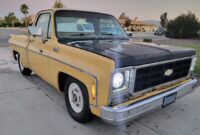
The automotive landscape of the 1980s and early 1990s was a fascinating crucible of change, nowhere more evident than in the evolution of the pickup truck. This decade marked a pivotal transition, moving trucks beyond mere utilitarian workhorses into vehicles that blended rugged capability with burgeoning comfort and style. For enthusiasts, collectors, and those simply seeking a reliable, character-filled vehicle, the period of 1980 to 1990 represents a sweet spot in the used truck market. These trucks, often referred to as "square bodies," "OBS" (Old Body Style), or simply "classic iron," offer a compelling mix of mechanical simplicity, robust construction, and undeniable nostalgia.
Whether you’re looking for a project truck to restore, a dependable daily driver with vintage appeal, or a weekend warrior for hauling and adventuring, the 1980s and early 90s truck market holds a treasure trove of options. This comprehensive guide will navigate the landscape of these enduring vehicles, providing insights into their appeal, what to look for, where to find them, and what to expect when you bring one home.
1980 To 1990 Trucks For Sale: Your Guide to the Golden Era of American Pickups
The Golden Age of Utility: Why 80s & Early 90s Trucks Endure
The period from 1980 to 1990 witnessed significant shifts in truck design and engineering. While the early 80s still embraced the boxy, no-nonsense aesthetics of the late 70s, the decade progressed towards more aerodynamic profiles and improved creature comforts. This era saw the widespread adoption of electronic fuel injection (EFI) replacing carburetors, leading to better reliability and efficiency, though still far from modern standards.
What makes these trucks so appealing today?
- Mechanical Simplicity: Many models, especially earlier ones, feature simpler mechanical systems that are easier for the average enthusiast to diagnose and repair. This translates to lower maintenance costs and a rewarding DIY experience.
- Durability and Longevity: Built with heavier-gauge steel and often over-engineered components, these trucks were designed to last. It’s not uncommon to find models with hundreds of thousands of miles still running strong.
- Classic Aesthetics: The distinct body lines of this era, particularly the "square body" Chevrolet/GMC trucks and the iconic Ford F-Series, evoke a strong sense of nostalgia and timeless appeal. They stand out in a sea of modern, often generic, designs.
- Versatility: From basic work trucks to surprisingly well-appointed luxury trims (like the Ford XLT Lariat or Chevy Silverado), these vehicles served a wide range of purposes and can still be adapted for diverse uses today.
- Affordability (Relative): While pristine examples can fetch significant sums, many solid drivers or project trucks remain relatively affordable, offering excellent value for money compared to newer vehicles.

Key Manufacturers and Iconic Models
The American "Big Three" dominated the truck market during this period, but Japanese manufacturers also made significant inroads with their compact pickups.
Chevrolet/GMC (C/K Series & S-10/Sonoma)
- C/K Series (1973-1987 "Square Body" & 1988-1998 "OBS"): The square body trucks (R/V series after 1987 for some heavy-duty models) are arguably the most iconic of the era. Known for their robust frames and legendary small-block 350 V8s (and big-block 454s), they are highly sought after. The transition to the "OBS" (Old Body Style) in 1988 brought a more aerodynamic design, independent front suspension on 2WD models, and widespread EFI. These are also incredibly popular for their driveability and modern feel.
- S-10/Sonoma (1982-1993): Chevrolet and GMC’s compact pickup offered a smaller, more fuel-efficient alternative. Available with 4-cylinder and V6 engines, they were popular for light-duty work and daily commuting.
Ford (F-Series & Ranger)
- F-Series (1980-1986 7th Gen & 1987-1991 8th Gen): Ford’s best-selling F-Series continued its reign, offering an array of engines including the durable 300 cubic inch inline-six, and various V8s (302, 351 Windsor, 460 big-block). The 7th generation maintained a rugged, boxy aesthetic, while the 8th generation introduced more rounded edges, flush headlights, and the widespread use of EFI. These trucks are known for their strong frames and towing capabilities.
- Ranger (1983-1992 1st Gen): Ford’s compact truck offered similar advantages to the S-10 – a smaller footprint, better fuel economy, and surprising utility for its size.
Dodge (Ram D/W Series & Dakota)
- Ram (1981-1993 D/W Series): Renamed "Ram" in 1981, Dodge’s full-size trucks were known for their rugged simplicity. While perhaps not as ubiquitous as Ford or Chevy, they offered powerful engines like the venerable Slant-6, 318, and 360 V8s. They often represent a good value in the market.
- Dakota (1987-1996 1st Gen): Positioned between compact and full-size trucks, the Dakota offered more capability than its compact rivals without the bulk of a full-size. It was notable for being the first mid-size pickup and offered V6 and later V8 engine options.
Japanese Compact Pickups (Toyota, Nissan, Mazda)
- Toyota Pickup (Hilux): Renowned for legendary reliability and off-road prowess. Available with bulletproof 4-cylinder engines and later V6s, these are fantastic choices for those prioritizing longevity and fuel economy.
- Nissan Hardbody (D21): Another highly durable and popular compact truck, known for its robust build and dependable engines.
- Mazda B-Series (Ford Ranger rebadge): Essentially a Ford Ranger with Mazda badging, offering similar reliability and parts availability.
What to Look For: Essential Inspection Points
Buying a 30-40 year old truck requires a keen eye and a methodical approach.
-
Rust, Rust, Rust: This is the primary enemy of trucks from this era.
- Frame: Inspect thoroughly for rust, especially near suspension mounting points, crossmembers, and where the bed meets the cab. Surface rust is common; perforating rust is a deal-breaker.
- Cab: Pay close attention to rocker panels, cab corners, floorboards (under the carpet/mat), and around the windshield and rear window seals.
- Bed: Check the bed floor, wheel wells, and bed sides, especially where they meet the tailgate.
- Body Panels: Fenders, doors, and hood can also show rust, particularly along edges and seams.
- Underbody: Look at brake lines, fuel lines, and exhaust for excessive corrosion.
-
Engine and Drivetrain:
- Leaks: Check for oil, coolant, power steering, and transmission fluid leaks.
- Startup: Listen for abnormal noises (knocking, ticking, grinding). Check for excessive smoke from the exhaust (blue for oil, white for coolant, black for rich fuel mixture).
- Transmission: Automatic transmissions should shift smoothly without harshness or slipping. Manual transmissions should engage gears cleanly. Check clutch feel on manuals.
- 4×4 System: If equipped, engage 4-wheel drive (high and low range) to ensure it works properly. Listen for clunks or grinding from the transfer case or front differential.
-
Suspension and Steering:
- Shocks/Springs: Look for worn or leaking shocks. Bounce each corner to check rebound.
- Bushings: Inspect control arm, leaf spring, and sway bar bushings for cracks or deterioration.
- Steering: Check for excessive play in the steering wheel. Listen for groans from the power steering pump.
-
Brakes:
- Check brake fluid level.
- Test the brakes for firm pedal feel and straight stopping. Listen for squealing or grinding.
-
Interior and Electrical:
- Seats/Dash: Inspect for tears, cracks, and general wear.
- Gauges/Lights: Ensure all dashboard gauges (speedometer, odometer, fuel, temp, oil pressure, voltmeter) work. Test all exterior and interior lights.
- HVAC: Check if the heater and air conditioning work (AC often needs a recharge or conversion to R134a).
- Windows/Locks: Test manual or power windows, door locks.
-
Documentation:
- Always ask for service records. A well-documented history indicates a caring owner.
- Ensure the title is clear and matches the VIN on the truck. A CARFAX report can be helpful, though older vehicle history may be limited.
Finding Your 80s-90s Dream Truck: Where to Look
- Online Marketplaces:
- Craigslist & Facebook Marketplace: Excellent for finding private sellers and often good deals. Be wary of scams and always inspect in person.
- eBay Motors: Offers a wider geographical reach, but shipping costs can be high. Good for finding specific models or rare trims.
- Bring a Trailer / Hemmings: For higher-end, restored, or very well-preserved examples, expect premium prices.
- Specialty Forums & Clubs: Brand-specific forums (e.g., Square Body Syndicate, Ford-Trucks.com, OBS Ford Forums) often have classified sections where enthusiasts sell their well-cared-for vehicles.
- Classic Car Dealerships: Some dealerships specialize in vintage vehicles. Prices may be higher, but vehicles are often vetted and sometimes come with warranties.
- Local Auctions: Public and estate auctions can be hit-or-miss but sometimes yield hidden gems. Inspect vehicles thoroughly before bidding.
- Word of Mouth: Tell friends, family, and mechanics you’re looking. Many great finds happen through personal connections.
Budgeting and Beyond: Costs of Ownership
The initial purchase price is just one part of the equation.
- Purchase Price: Varies wildly based on make, model, condition, mileage, and originality. A running project might be a few thousand dollars, while a fully restored show truck could be $30,000+.
- Maintenance & Parts: Generally, parts for these trucks are abundant and relatively inexpensive, especially for the popular models like the F-Series and C/K trucks. Many components are interchangeable across years and models, simplifying sourcing.
- Insurance: Often cheaper than modern trucks due to lower replacement value. Consider classic car insurance for well-preserved examples, which can offer specialized coverage at lower rates.
- Fuel Economy: Don’t expect hybrid-level MPG. These trucks are often thirsty, especially V8 models. Budget accordingly for gas.
- Restoration/Repair Costs: If you’re buying a project, budget significantly for bodywork, paint, engine rebuilds, interior refresh, and potential upgrades. These costs can quickly exceed the truck’s value if not carefully managed.
Tips for a Successful Purchase
- Set a Realistic Budget: Not just for the purchase, but for immediate repairs and potential upgrades.
- Prioritize Condition: A solid, rust-free body and frame are far more valuable than a shiny paint job on a rusty truck. Mechanical issues are often easier and cheaper to fix than extensive body rust.
- Get a Pre-Purchase Inspection (PPI): If you’re not mechanically inclined, pay a trusted mechanic (ideally one familiar with older vehicles) to inspect the truck thoroughly before you buy.
- Don’t Rush: Take your time. There are many trucks out there. Don’t feel pressured to buy the first one you see.
- Understand the History: Ask the seller about the truck’s past, maintenance, and any known issues.
- Negotiate: Always be prepared to negotiate the price.
- Factor in Upgrades: Many buyers opt for upgrades like modern sound systems, improved lighting, or even engine swaps for better performance/efficiency. Factor these into your overall budget.
Challenges and Solutions
- Challenge: Rust:
- Solution: For minor surface rust, address it immediately with rust converters and protective coatings. For extensive rust, professional bodywork, patch panels, or full panel replacement may be necessary. Prevention is key: keep the truck clean and consider rust-proofing.
- Challenge: Worn Components:
- Solution: Most mechanical parts are readily available new (OEM or aftermarket) or used from salvage yards. Many components are relatively easy for DIY enthusiasts to replace.
- Challenge: Lack of Modern Features:
- Solution: Aftermarket solutions abound. You can upgrade stereos to Bluetooth-enabled units, add USB charging ports, install brighter LED headlights, convert older AC systems to R134a refrigerant, and even add power windows/locks.
- Challenge: Poor Fuel Economy:
- Solution: For everyday driving, it’s a reality to accept. For significant improvement, options include engine tuning, swapping to an overdrive transmission (if not already equipped), or more extreme measures like modern engine swaps (e.g., LS swap).
- Challenge: Emissions Regulations (in some areas):
- Solution: Check your local and state emissions laws. Many older vehicles are exempt, but some regions have specific requirements. Ensure the truck can pass inspection if required.
Price Table: 1980-1990 Trucks For Sale (Estimated Ranges)
Prices for these trucks can vary wildly based on condition (from non-running project to fully restored show truck), specific model, engine, drivetrain (2WD/4WD), geographic location, and market demand. The ranges below are approximate for a standard half-ton pickup, as of late 2023/early 2024, and should be used as a general guide. Heavy-duty models, rare editions, or highly modified trucks can fall outside these ranges.
| Make/Model | Typical Price Range (Project/Parts) | Typical Price Range (Driver Quality) | Typical Price Range (Excellent/Restored) | Notes |
|---|---|---|---|---|
| Chevrolet C/K Series | $1,500 – $5,000 | $6,000 – $15,000 | $18,000 – $45,000+ | "Square Body" (pre-88) often higher end. OBS (88-91) popular. |
| Chevrolet S-10/GMC Sonoma | $1,000 – $3,000 | $3,500 – $8,000 | $10,000 – $20,000+ | Good for light duty/fuel efficiency. |
| Ford F-Series | $1,500 – $5,000 | $6,000 – $14,000 | $17,000 – $40,000+ | F-150 most common. F-250/F-350 for heavy duty. |
| Ford Ranger | $1,000 – $3,000 | $3,500 – $7,500 | $9,000 – $18,000+ | Durable compact, parts widely available. |
| Dodge Ram (D/W Series) | $1,000 – $4,000 | $4,500 – $10,000 | $12,000 – $28,000+ | Often good value, distinct styling. |
| Dodge Dakota | $800 – $2,500 | $3,000 – $6,500 | $8,000 – $15,000+ | Mid-size appeal, good capability. |
| Toyota Pickup (Hilux) | $2,000 – $6,000 | $7,000 – $16,000 | $18,000 – $35,000+ | Highly sought after for reliability, especially 4×4. |
| Nissan Hardbody | $1,500 – $4,000 | $5,000 – $10,000 | $12,000 – $25,000+ | Robust and dependable alternative. |
Note: "Project/Parts" implies a non-running or heavily rusted vehicle requiring significant work. "Driver Quality" implies a running, inspectable vehicle that may have cosmetic flaws and require some mechanical attention. "Excellent/Restored" implies a vehicle in near-showroom condition, potentially fully restored or exceptionally well-preserved original.
Frequently Asked Questions (FAQ)
Q: Are parts still available for 1980-1990 trucks?
A: Yes, generally parts availability is excellent, especially for popular models like the Ford F-Series and Chevrolet C/K trucks. Many mechanical components are common across multiple years and models, and aftermarket support is strong. Body panels can sometimes be harder to find new for certain years, but used parts are often available.
Q: Are these trucks reliable enough for daily driving?
A: Many 1980-1990 trucks, particularly those with electronic fuel injection (late 80s onwards) and well-maintained engines, can be very reliable daily drivers. However, they lack modern safety features and conveniences. Regular maintenance is crucial, and be prepared for higher fuel costs compared to newer vehicles.
Q: What about fuel economy?
A: Fuel economy is generally poor by modern standards, especially for V8-equipped full-size trucks. Expect single-digit to low-teen MPG figures (e.g., 8-15 MPG). Compact pickups will offer better, but still modest, efficiency (e.g., 18-25 MPG).
Q: Are they good for towing?
A: Absolutely. Full-size trucks from this era (F-150/250/350, C/K 1500/2500/3500, Ram D/W series) were built to tow and haul. Always check the specific truck’s gross vehicle weight rating (GVWR) and gross combined weight rating (GCWR) for its maximum safe towing capacity.
Q: Are 1980-1990 trucks considered classic cars?
A: Yes, many models from this era are increasingly being recognized as classics or "vintage" vehicles, especially the well-preserved or restored examples. Their classic status is growing as they reach and surpass 30-40 years old.
Q: How much does it cost to restore one of these trucks?
A: Restoration costs vary wildly. A full, frame-off restoration can easily cost $20,000 to $50,000+, depending on the extent of work, parts needed, and labor rates. A light refresh or mechanical restoration might be a few thousand dollars. It’s often cheaper to buy a truck already restored or in excellent condition than to restore a poor-condition one yourself, unless you’re doing most of the work.
Conclusion
The market for 1980 to 1990 trucks offers a unique opportunity to own a piece of automotive history that is both functional and full of character. These vehicles represent a sweet spot where rugged durability meets emerging comfort, offering a more hands-on driving experience than their modern counterparts. Whether you’re drawn to the iconic "square body" aesthetic, the dependable work ethic of a Ford F-Series, or the legendary reliability of a Toyota pickup, there’s a truck from this decade waiting to be rediscovered.
By understanding what to look for, where to search, and what to expect in terms of ownership costs, you can make an informed decision and embark on a rewarding journey with a classic truck that will turn heads and get the job done for years to come. These trucks are more than just vehicles; they are a tangible link to a simpler time, ready for new adventures and memories.