1976 Ford Trucks For Sale: A Comprehensive Guide to Owning a Classic Blue Oval Workhorse pickup.truckstrend.com
The year 1976 holds a special place in the annals of American automotive history, especially for truck enthusiasts. It marked a pivotal point for Ford’s F-Series, a lineup that had already cemented its status as the nation’s best-selling truck. For those seeking a blend of rugged utility, timeless design, and a tangible piece of Americana, a 1976 Ford truck for sale represents more than just a vehicle; it’s an investment in nostalgia, a canvas for customization, and a reliable workhorse all rolled into one. This guide will delve into what makes these trucks so appealing, what to look for when buying one, and how to navigate the exciting journey of acquiring your very own classic Ford.
The Enduring Appeal of the 1976 Ford Truck
1976 Ford Trucks For Sale: A Comprehensive Guide to Owning a Classic Blue Oval Workhorse
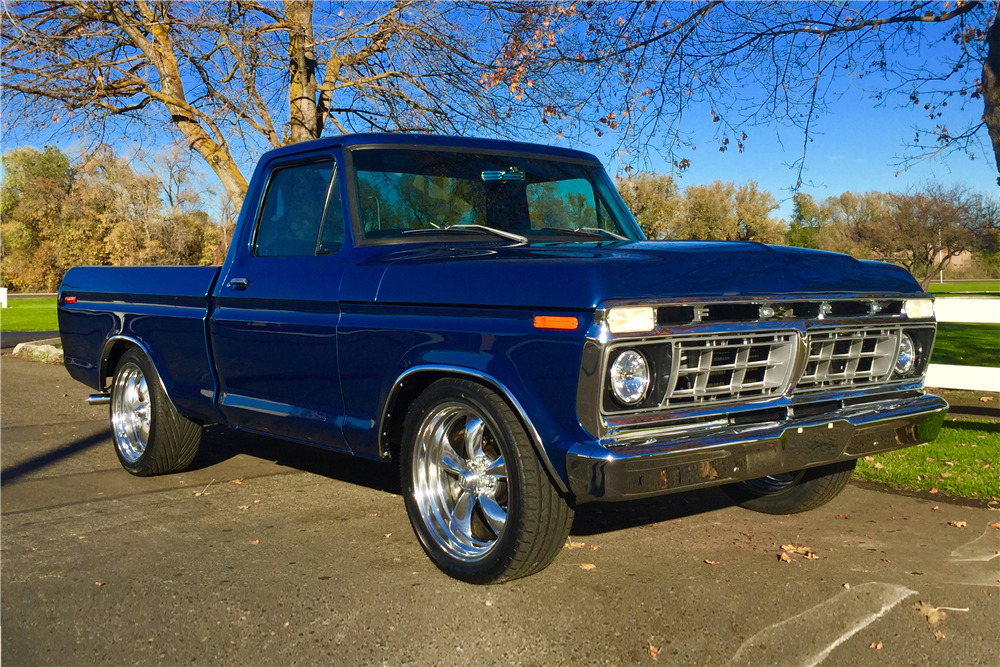
Ford’s sixth-generation F-Series, produced from 1973 to 1979, is widely regarded as one of the most iconic and beloved truck designs of all time. The 1976 model year falls squarely within this sweet spot, offering a perfect blend of classic styling cues with a degree of modern refinement that made them incredibly practical for their era. Their squared-off lines, prominent grilles, and robust build quality exude an undeniable sense of strength and honesty.
Beyond aesthetics, 1976 Ford trucks are celebrated for their legendary durability. Built with heavy-gauge steel and straightforward mechanical components, these trucks were engineered to withstand years of hard work. This inherent robustness means that many examples have survived the decades, making them viable candidates for restoration, daily driving, or dedicated work vehicles today. Furthermore, the 1976 models largely pre-date the more stringent emissions controls that began to impact engine performance in later years, offering a simpler, more mechanically accessible experience for enthusiasts and DIY mechanics.
Key Models and Configurations of 1976
The 1976 F-Series offered a diverse range of models and configurations to suit various needs, contributing to their widespread appeal. Understanding these variations is crucial when searching for a specific truck:
- F-100: The light-duty workhorse, typically equipped with smaller engines and designed for everyday hauling and personal use. Many F-100s were 2WD.
- F-150: Introduced in 1975, the F-150 quickly became a bestseller. It sat between the F-100 and F-250 in terms of payload capacity, often offering a slightly heavier-duty suspension than the F-100 while avoiding some of the higher registration fees associated with the F-250 in certain states. This is a very popular choice today.
- F-250: The quintessential heavy-duty truck, popular for towing and heavier loads. The 1976 F-250 is particularly notable for its "Highboy" variant (early 1976 production), which featured a divorced transfer case and a taller stance, making them highly sought after by collectors and off-road enthusiasts. Later 1976 F-250s adopted a "Lowboy" design with a married transfer case and a lower ride height.
- F-350: The heaviest-duty single-rear-wheel pickup, often used for demanding commercial applications or as a basis for larger custom builds.
Body Styles:
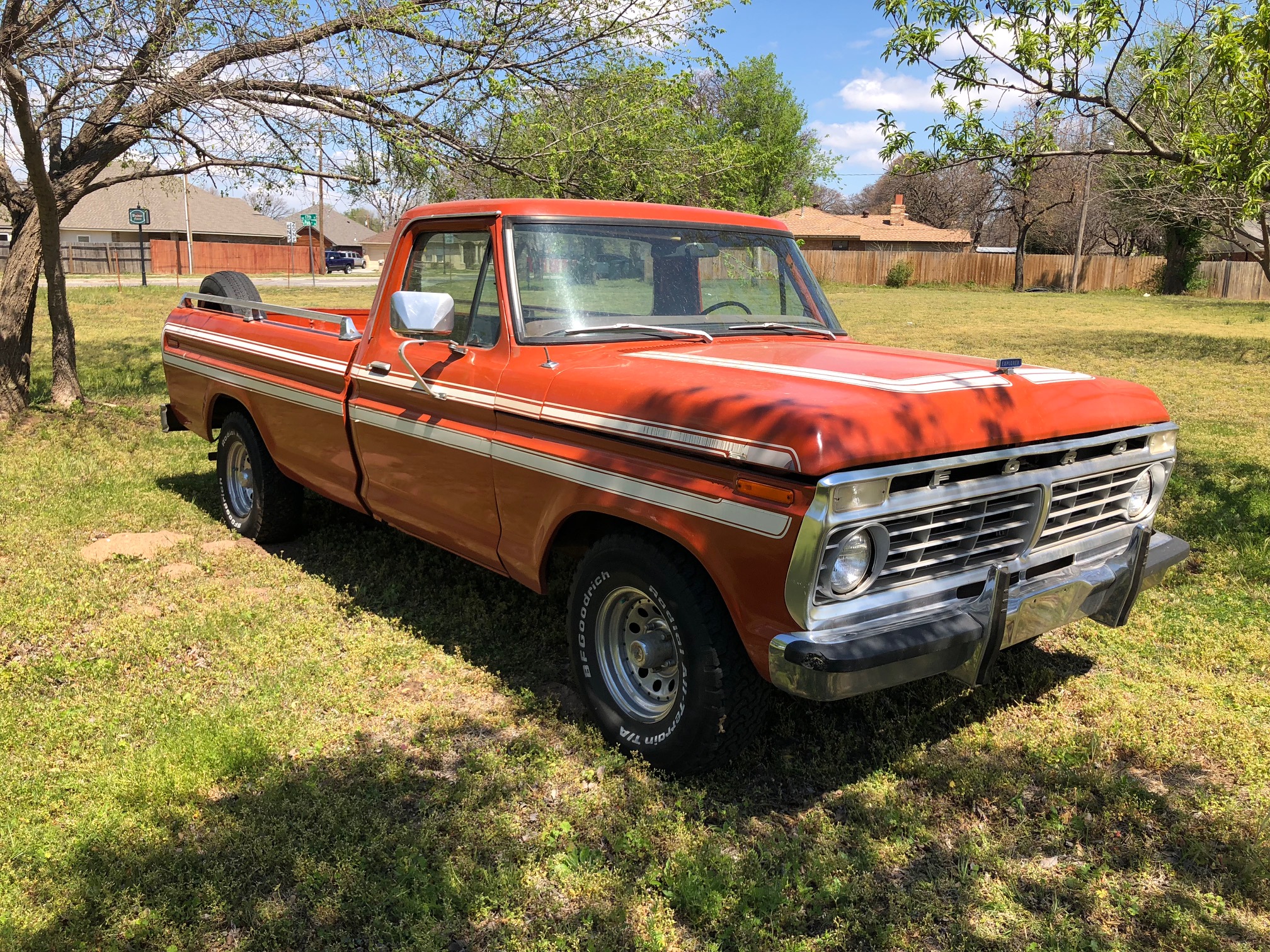
- Regular Cab: The standard two-door configuration, offering seating for three.
- SuperCab: Introduced in 1974, this extended cab offered additional interior space behind the front seats, making it suitable for extra passengers or secure storage.
Engine Options: Ford offered a range of robust engines in 1976, from inline-sixes to powerful V8s:
- 300 cu in Inline-Six: Known for its legendary reliability, torque, and fuel efficiency (for its time). A strong choice for a work truck or daily driver.
- 302 cu in V8: A smaller, more rev-happy V8, good for lighter-duty applications.
- 360 cu in V8: A common workhorse V8, offering a good balance of power and durability.
- 390 cu in V8: A more powerful FE-series big block, often found in heavier-duty F-250s and F-350s.
- 460 cu in V8: The largest and most powerful engine available, providing immense torque for serious hauling and towing.

Transmission Options:
- Manual: 3-speed column shift, 4-speed manual (NP435, Borg-Warner T-18 – both robust work transmissions).
- Automatic: C4 (lighter duty, often paired with 302), C6 (heavy-duty, paired with larger V8s).
Trim Levels: From basic to luxurious, Ford offered:
- Custom: The entry-level trim, no-frills and functional.
- Ranger: Added some creature comforts like improved interior trim and chrome accents.
- Ranger XLT: The top-tier trim, featuring plush interiors, chrome bumpers, brightwork, and more amenities.
What to Look For When Buying a 1976 Ford Truck
Acquiring a vintage truck requires careful inspection. Here’s a checklist of critical areas to examine:
- Rust: This is the primary enemy of any classic vehicle. Pay close attention to:
- Cab Corners and Rocker Panels: These areas are highly susceptible to rust due to water and dirt accumulation.
- Floor Pans: Check under the carpet for perforations.
- Bed: Inspect the bed floor, inner fenders, and wheel arches.
- Fender Wells: Both front and rear.
- Frame Rails: Crucial for structural integrity. Look for pitting, flaking, or previous repairs.
- Engine Condition:
- Leaks: Look for oil, coolant, or power steering fluid leaks.
- Smoke: Blue smoke indicates oil burning; white smoke can be coolant.
- Noises: Listen for knocks, ticks, or unusual sounds.
- Performance: A test drive will reveal power, smooth acceleration, and any hesitations.
- Transmission and Drivetrain:
- Shifting: Manuals should shift smoothly without grinding. Automatics should engage gears without harshness or slipping.
- Clunks/Vibrations: Could indicate worn U-joints, driveshafts, or differential issues.
- 4WD (if applicable): Ensure the transfer case engages properly and that all four wheels receive power.
- Suspension and Steering:
- Worn Components: Check ball joints, tie rods, leaf springs, and shocks for excessive wear or play.
- Steering Play: Excessive looseness in the steering wheel indicates worn steering box or linkage components.
- Electrical System: Test all lights (headlights, taillights, turn signals), wipers, heater/AC (if equipped), gauges, and radio.
- Interior: Assess the condition of the seat upholstery, dash pad (cracks are common), headliner, door panels, and all functional components.
- Documentation: A clear title is paramount. Any maintenance records, even partial, can offer insights into the truck’s history.
- Originality vs. Modifications: Decide if you want an unmolested original or a truck that’s already been customized. Modified trucks might have hidden issues, but a well-done custom can be appealing.
Where to Find 1976 Ford Trucks For Sale
The market for classic trucks is vibrant, and several avenues exist for finding a 1976 Ford:
- Online Marketplaces:
- eBay Motors: Wide selection, national reach, auction and "Buy It Now" options.
- Craigslist/Facebook Marketplace: Excellent for local finds, often from private sellers. Be prepared for varying levels of detail and condition.
- Classic Car Specific Sites: Hemmings, ClassicCars.com, Bring a Trailer, AutoTrader Classics often list higher-quality or more specialized vehicles.
- Classic Car Dealerships: Reputable dealerships specializing in classics often have restored or well-maintained examples, though prices will be higher.
- Auctions: Major auction houses like Mecum, Barrett-Jackson, or smaller local auctions can be a source, but require quick decision-making and often come with buyer’s premiums.
- Word of Mouth & Local Classifieds: Don’t underestimate the power of community. Join local classic truck clubs or check community newspapers.
Understanding Valuation and Pricing
The price of a 1976 Ford truck can vary wildly based on several factors, primarily condition, model, and originality. It’s not just about mileage; a low-mileage truck that sat neglected in a field for decades will be a much larger project than a high-mileage truck that was well-maintained.
Factors Influencing Price:
- Condition: This is the biggest determinant. A fully restored, show-quality truck will command top dollar, while a rust-bucket project will be at the bottom of the scale.
- Model/Configuration: F-150s are generally more popular and command higher prices than F-100s. 4WD models (especially "Highboy" F-250s) are more valuable than 2WD counterparts. SuperCabs can also fetch a premium.
- Engine/Transmission: The big block 460 V8 and manual transmissions (especially 4-speeds) often add value.
- Originality: Highly original, unmolested trucks with matching numbers can be more valuable to collectors.
- Trim Level: Ranger XLTs are more desirable than Custom models.
- Location: Prices can vary regionally.
1976 Ford Trucks For Sale: Estimated Price Guide
This table provides a general estimation and should be used as a starting point. Actual prices will vary based on specific condition, mileage, options, and market demand.
| Model/Configuration | Condition: Project (Needs Major Work) | Condition: Good Driver (Functional, Presentable) | Condition: Excellent/Restored (Show Quality) |
|---|---|---|---|
| F-100 (2WD) | $2,000 – $6,000 | $7,000 – $15,000 | $18,000 – $35,000+ |
| F-150 (2WD) | $2,500 – $7,000 | $8,000 – $18,000 | $20,000 – $40,000+ |
| F-150 (4WD) | $3,000 – $9,000 | $10,000 – $25,000 | $25,000 – $50,000+ |
| F-250 (2WD) | $2,500 – $7,500 | $8,000 – $18,000 | $20,000 – $40,000+ |
| F-250 (4WD – "Lowboy") | $3,500 – $10,000 | $12,000 – $28,000 | $28,000 – $55,000+ |
| F-250 (4WD – "Highboy") | $5,000 – $15,000 | $18,000 – $40,000 | $40,000 – $80,000+ |
| F-350 (2WD/4WD) | $3,000 – $10,000 | $10,000 – $25,000 | $25,000 – $50,000+ |
| SuperCab (Add to above) | Add $500 – $2,000 | Add $1,000 – $4,000 | Add $2,000 – $8,000 |
| Rare Engine/Trim (e.g., 460) | Add $500 – $1,500 | Add $1,000 – $3,000 | Add $2,000 – $5,000 |
Disclaimer: These are rough estimates. Market conditions, specific options, modifications, and regional demand will significantly impact actual prices. Always conduct thorough research and inspection.
Restoration vs. Daily Driver vs. Project
Before you buy, decide what role your 1976 Ford truck will play:
- Restored: If you want a turn-key classic for shows or weekend cruises, a fully restored truck is your best bet. You’ll pay a premium upfront, but it saves immense time and effort.
- Good Driver: For those who want a reliable classic for regular use without the need for perfection, a "good driver" is a great compromise. It might have some minor imperfections but is mechanically sound.
- Project: If you’re mechanically inclined, enjoy a challenge, and have a budget for parts and labor, a "project" truck offers the lowest entry price. Be realistic about the time and cost involved.
Tips for a Successful Purchase
- Set a Realistic Budget: Don’t just budget for the purchase price. Factor in potential repairs, insurance, registration, and any planned upgrades.
- Research Thoroughly: Understand the specific model, engine, and common issues for the 1976 F-Series.
- Inspect, Inspect, Inspect: If you’re not an expert, hire a pre-purchase inspection from a mechanic familiar with classic vehicles. This small investment can save you thousands.
- Test Drive: Always drive the truck under various conditions. Listen for unusual noises, feel for vibrations, and check how it handles.
- Negotiate: Most prices, especially from private sellers, are negotiable. Be prepared to walk away if the deal isn’t right.
- Factor in Transport: If buying remotely, consider the cost and logistics of shipping the vehicle.
- Join Communities: Online forums (e.g., Ford-Trucks.com, FTE) and local clubs are invaluable resources for advice, parts, and troubleshooting.
Frequently Asked Questions (FAQ) about 1976 Ford Trucks
Q: Are parts readily available for 1976 Ford trucks?
A: Yes, generally. Many mechanical components are shared with other Ford models of the era, and a robust aftermarket industry exists for body panels, trim, interior components, and engine parts. You might need to search a bit for specific trim pieces, but common wear items are usually easy to find.
Q: Are 1976 Ford trucks reliable?
A: When properly maintained, absolutely. Their simple, robust mechanical design makes them inherently reliable. However, they are old vehicles, so preventative maintenance is key, and components will wear out over time.
Q: What kind of fuel economy can I expect?
A: Don’t expect modern fuel efficiency. Depending on the engine, transmission, and drivetrain (2WD vs. 4WD), you’re typically looking at anywhere from 8-15 miles per gallon. The 300 inline-six will be the most economical.
Q: Can a 1976 Ford truck be a daily driver?
A: Yes, many people use them as daily drivers. However, be aware that they lack modern safety features (airbags, ABS), creature comforts (power windows, cruise control were rare), and fuel economy. A well-maintained example can be quite dependable.
Q: What’s the difference between an F-100 and an F-150?
A: The F-150 was introduced in 1975 to bridge the gap between the F-100 and F-250. It had a higher Gross Vehicle Weight Rating (GVWR) than the F-100 (over 6,000 lbs), allowing it to avoid certain emissions requirements that affected lighter trucks. This made it a popular choice for carrying heavier loads without stepping up to the F-250.
Q: What is a "Highboy" F-250?
A: "Highboy" refers to 1967-early 1977 F-250 4×4 trucks that had a taller ride height due to a divorced transfer case and front leaf springs. They are highly sought after by collectors and off-road enthusiasts due to their distinctive stance and rugged appeal. Ford transitioned to a "Lowboy" design (married transfer case, lower ride height) mid-way through the 1977 model year, though some early 1976 models might also be "Lowboys" depending on production date.
Conclusion
The appeal of a 1976 Ford truck for sale is undeniable. These vehicles represent a golden era of American manufacturing, offering a unique blend of rugged utility, classic styling, and mechanical simplicity. Whether you envision a meticulously restored showpiece, a dependable daily driver, or a rewarding project, the journey of owning a 1976 F-Series is rich with character and potential. By understanding the different models, knowing what to look for during inspection, and setting a realistic budget, you can confidently navigate the market and find the perfect blue oval workhorse to call your own. The open road, and a piece of automotive history, awaits.