Cummins Pickup Trucks For Sale: A Comprehensive Buyer’s Guide pickup.truckstrend.com
For decades, the name Cummins has been synonymous with robust power, unwavering durability, and incredible towing capability in the world of pickup trucks. While Cummins doesn’t manufacture entire vehicles, its legendary diesel engines have been the heart of Ram (formerly Dodge Ram) heavy-duty trucks, creating a formidable partnership that has defined the segment. When enthusiasts and professionals talk about "Cummins pickup trucks," they’re referring to these Ram 2500, 3500, and even older models, revered for their ability to haul massive loads, conquer challenging terrain, and endure hundreds of thousands of miles.
The market for Cummins-powered pickup trucks, both new and used, remains incredibly vibrant. These aren’t just vehicles; they’re investments for those who demand the ultimate in performance, reliability, and resale value from their workhorse or adventure rig. Whether you’re a contractor needing serious pulling power, a farmer transporting heavy equipment, or an RVer dreaming of cross-country trips with a large fifth-wheel, a Cummins-equipped Ram truck is often at the top of the list. This comprehensive guide will navigate the landscape of Cummins pickup trucks for sale, offering insights, advice, and crucial considerations to help you make an informed decision.
Cummins Pickup Trucks For Sale: A Comprehensive Buyer’s Guide
Why Choose a Cummins-Powered Pickup Truck? The Unrivaled Advantages
The appeal of a Cummins-powered Ram truck extends far beyond mere horsepower figures. It’s about a legacy of engineering excellence that translates into tangible benefits for the owner.
- Legendary Durability and Longevity: Cummins engines are built to last. It’s not uncommon to find these engines running strong well past 300,000, 400,000, or even 500,000 miles with proper maintenance. Their robust construction and straightforward design contribute to their impressive lifespan, making them a wise long-term investment.
- Immense Torque for Towing and Hauling: This is where the Cummins truly shines. Diesel engines inherently produce more torque at lower RPMs than gasoline engines, and the Cummins takes this to an extreme. Modern 6.7L Cummins engines in Ram trucks offer over 1,000 lb-ft of torque, enabling them to effortlessly pull heavy trailers, boats, or RVs, and carry substantial payloads without breaking a sweat.
- Superior Fuel Efficiency (for its class): While heavy-duty trucks aren’t known for sedan-like MPG, Cummins diesels are generally more fuel-efficient than their gasoline counterparts in similar heavy-duty applications, especially when under load. Their ability to maintain speed with less effort contributes to better mileage on long hauls.
- Strong Resale Value: Due to their reputation for durability and performance, Cummins-powered Ram trucks consistently command strong resale values. They are highly sought after in the used truck market, meaning your investment holds its value better over time.
- Proven Reliability: Decades of refinement and real-world testing have made the Cummins engine a benchmark for reliability. While no engine is completely trouble-free, common issues are well-documented, and parts and expertise are readily available.
- Dedicated Community and Support: Owning a Cummins-powered truck means joining a vast community of enthusiasts. Online forums, local clubs, and specialized mechanics provide an incredible network for support, advice, and shared passion.

Understanding Cummins Engine Generations: A Brief Overview
When looking for a Cummins pickup truck, you’ll primarily encounter two main engine families:
- 5.9L Cummins (1989-2007):
- 12-Valve (1989-1998): Known for its mechanical simplicity, extreme durability, and ease of modification. Less power than later versions but incredibly robust. Look out for the "Killer Dowel Pin" (KDP) issue, which is often addressed by owners.
- 24-Valve (1998.5-2007): Introduced electronic fuel injection (VP44 pump, then common rail in 2003+). More powerful and refined than the 12-valve. The VP44 pump can be a weak point in earlier 24-valve models, while common rail engines are generally more reliable but still require good fuel quality.
- 6.7L Cummins (2007.5-Present):
- Introduced to meet stricter emissions regulations. Features a Diesel Particulate Filter (DPF) and Exhaust Gas Recirculation (EGR) system. More powerful and quieter than the 5.9L. Early 6.7L engines (pre-2013) had some common issues related to the emissions equipment and fuel system (CP3 pump). Later models have seen continuous improvements in reliability and emissions system integration. These are the engines found in current Ram Heavy Duty trucks.
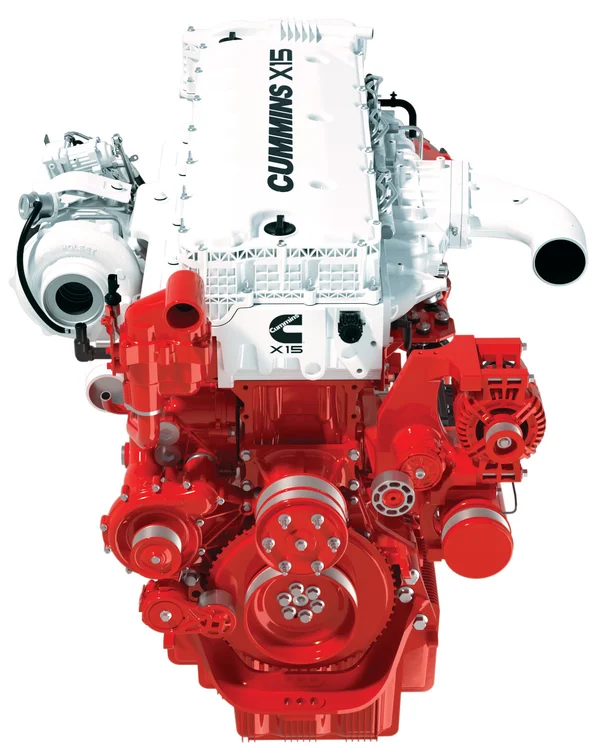
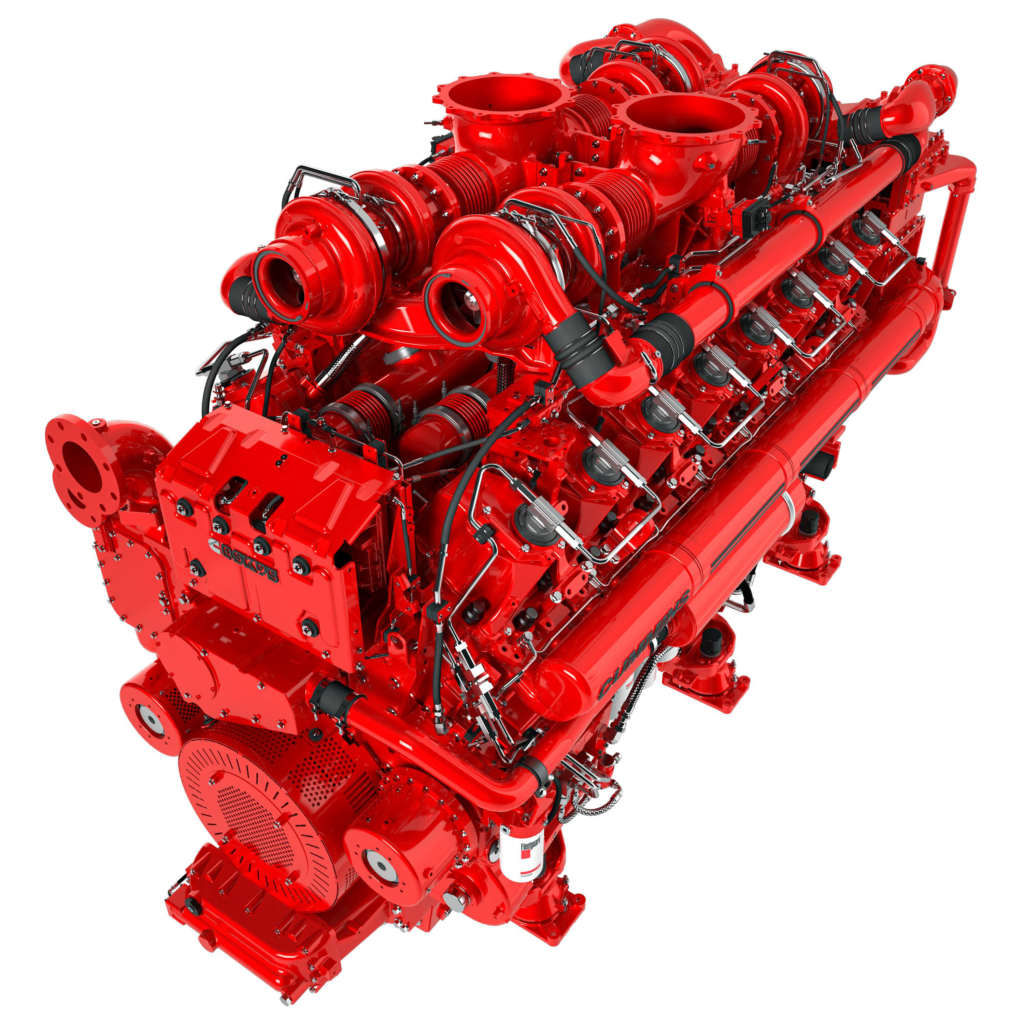
Understanding these generations helps you assess the potential characteristics, maintenance needs, and power levels of the truck you’re considering.
Where to Find Cummins Pickup Trucks For Sale
Finding the right Cummins-powered Ram truck requires a strategic approach. Here are the primary avenues:
- Authorized Ram Dealerships: Ideal for new trucks, certified pre-owned (CPO) vehicles, and late-model used trucks. CPO vehicles often come with extended warranties and rigorous inspections, offering peace of mind.
- Independent Used Car Dealerships: A vast selection of used trucks, often at competitive prices. Be sure to verify the dealership’s reputation and ask for vehicle history reports.
- Online Marketplaces: Websites like AutoTrader, CarGurus, Cars.com, and eBay Motors offer extensive listings from both dealerships and private sellers. Facebook Marketplace has also become a popular platform for local sales.
- Private Sellers: Often the best source for negotiating a deal, as you cut out the dealership middleman. However, private sales require more due diligence on your part regarding vehicle condition and paperwork.
- Public and Online Auctions: Can offer good deals, but buying at auction comes with higher risk as you typically cannot thoroughly inspect the vehicle or test drive it beforehand. Best for experienced buyers.
- Specialized Diesel Truck Forums and Communities: Many dedicated forums for Ram and Cummins trucks have "for sale" sections where enthusiasts sell their well-maintained vehicles.
Key Considerations When Buying a Used Cummins Pickup Truck
Buying a used heavy-duty truck, especially one as powerful as a Cummins, demands careful attention. A thorough inspection can save you significant money and headaches down the road.
- Mileage and Maintenance Records: This is paramount. Low mileage isn’t always best if the truck hasn’t been properly maintained. Look for detailed service records indicating regular oil changes (using correct spec oil), fuel filter replacements, transmission fluid services, and coolant flushes. Diesel engines thrive on consistent maintenance.
- Engine Health:
- Cold Start: Listen for excessive smoke (a little white smoke on a cold diesel start is normal, but thick blue or black smoke indicates issues). Listen for unusual knocking, ticking, or rattling.
- Blow-by: Remove the oil filler cap while the engine is running. A small amount of vapor is normal, but excessive pressure or "chugging" indicates worn piston rings or other internal engine wear.
- Fluid Leaks: Check for oil, coolant, or fuel leaks around the engine and transmission.
- Common Issues (by generation):
- 5.9L: KDP (Killer Dowel Pin – check if fixed), lift pump issues (especially on 24-valve), VP44 injection pump failure (on 98.5-02 24-valve).
- 6.7L: Emissions system issues (DPF/EGR clogs, sensor failures), turbocharger actuator problems, injector issues, CP3/CP4 fuel pump failures (less common on later 6.7L).
- Transmission:
- Automatic (68RFE, Aisin): Check for smooth, timely shifts. Listen for clunking or grinding noises. Ensure the transmission fluid is clean and doesn’t smell burnt. Pay attention to how it handles when cold and hot. The Aisin transmission (found in high-output models) is generally considered more robust for heavy towing.
- Manual (G56): Check clutch engagement, shifter feel, and listen for abnormal noises.
- Frame and Body: Inspect for rust, especially on the frame, suspension components, and brake lines. Check for accident damage, mismatched paint, or poor body panel alignment, which could indicate a previous collision.
- Suspension and Steering: Look for worn bushings, tie rods, ball joints. Test drive for excessive play in the steering wheel or unusual noises over bumps.
- Tires and Brakes: Assess tire tread depth and even wear. Check brake pad thickness and rotor condition.
- Modifications: Be extremely cautious with heavily modified trucks. "Deleted" trucks (EGR, DPF, DEF removal) may offer more power and fuel efficiency, but they are illegal for street use in most states and will not pass emissions testing. Unprofessional modifications can also lead to reliability issues.
- Electrical System: Test all lights, gauges, power windows, HVAC, and infotainment system.
- Vehicle History Report: Always get a Carfax or AutoCheck report. This provides valuable information on accident history, salvage titles, flood damage, reported mileage discrepancies, and service records.
The Buying Process: Tips for a Smooth Transaction
- Set a Realistic Budget: Factor in not just the purchase price, but also potential sales tax, registration fees, insurance, and an emergency fund for unexpected maintenance.
- Thorough Test Drive: Drive the truck on various road conditions – city streets, highways, and if possible, with a small load or trailer. Pay attention to acceleration, braking, steering, suspension, and any unusual noises or vibrations.
- Pre-Purchase Inspection (PPI): This is non-negotiable for a used diesel truck. Have a qualified, independent diesel mechanic (preferably one specializing in Cummins engines) thoroughly inspect the vehicle. They can identify issues that you might miss and provide an objective assessment of the truck’s condition.
- Negotiation: Research market values for similar trucks to determine a fair price. Be prepared to walk away if the seller isn’t reasonable or if the truck doesn’t meet your expectations after inspection.
- Paperwork and Title Transfer: Ensure all documentation is correct and complete. Verify the VIN on the vehicle matches the title. Understand your state’s requirements for title transfer and registration.
New vs. Used Cummins Pickups: Pros and Cons
New Cummins Pickup Truck:
- Pros: Full factory warranty, latest technology and safety features, customizable options, no previous owner’s issues.
- Cons: Higher purchase price, rapid depreciation in the first few years, potentially higher insurance costs.
Used Cummins Pickup Truck:
- Pros: Significantly lower purchase price, depreciation hit already absorbed by previous owner, wider selection of models and engine generations, opportunity to find well-maintained gems at a discount.
- Cons: No factory warranty (or limited remaining), potential for hidden issues, wear and tear from previous ownership, may require immediate maintenance or repairs.
Maximizing Your Investment: Maintenance and Ownership Tips
Once you’ve purchased your Cummins-powered truck, proactive maintenance is key to ensuring its longevity and performance.
- Adhere to Manufacturer’s Service Schedule: Follow the recommended intervals for oil changes, fuel filter replacements, air filter changes, and transmission services.
- Use Quality Fluids and Filters: Diesel engines are sensitive to fluid quality. Always use diesel-specific engine oil (CJ-4 or CK-4 rated), OEM or high-quality aftermarket fuel filters, and appropriate transmission fluids.
- Monitor Gauges: Pay attention to oil pressure, coolant temperature, and transmission temperature gauges. Any unusual readings warrant immediate investigation.
- Address Issues Promptly: Don’t ignore check engine lights or unusual noises. Small issues can quickly escalate into costly repairs if neglected.
- Warm-Up and Cool-Down: Allow the engine to warm up before heavy use and let the turbocharger cool down (idle for a minute or two) before shutting off the engine after heavy towing or highway driving.
- Fuel Quality: Use high-quality diesel fuel from reputable stations. Consider using a fuel additive, especially in colder climates, to prevent gelling and lubricate fuel system components.
- Join Online Forums: Communities like CumminsForum.com, RamForum.com, and DieselTruckResource.com are invaluable resources for troubleshooting, maintenance tips, and connecting with other owners.
Cummins Pickup Trucks For Sale: Estimated Price Guide
It’s important to note that prices for Cummins-powered Ram trucks vary significantly based on model year, trim level, mileage, condition, geographic location, and market demand. The table below provides a general estimate.
| Model Year Range | Model (Engine) | Average Used Price Range (USD) | New Price Range (MSRP – USD) | Key Features/Notes |
|---|---|---|---|---|
| 1994-2002 | Ram 2500/3500 (5.9L) | $8,000 – $25,000 | N/A | Legendary 12V & 24V engines. Known for simplicity & durability. Prices vary widely by condition. |
| 2003-2007 | Ram 2500/3500 (5.9L) | $15,000 – $35,000 | N/A | Common rail 5.9L (03-07) offers more power and refinement. |
| 2007.5-2012 | Ram 2500/3500 (6.7L) | $20,000 – $45,000 | N/A | First generation 6.7L with DPF/EGR. Higher torque. |
| 2013-2018 | Ram 2500/3500 (6.7L) | $30,000 – $60,000 | N/A | Improved 6.7L with higher output and better emissions system reliability. |
| 2019-Present | Ram 2500/3500 (6.7L) | $45,000 – $85,000+ | $50,000 – $90,000+ | Current generation. High Output option (1000+ lb-ft torque). Modern interior, tech. |
| Ram 3500 HD | (High Output 6.7L) | $60,000 – $100,000+ | $65,000 – $110,000+ | Top-tier towing and payload capacity. Dually options available. |
Note: These prices are estimates and can fluctuate based on market conditions, vehicle condition, trim level (e.g., Tradesman, Big Horn, Laramie, Limited), 2WD/4WD, transmission type, and specific features.
Frequently Asked Questions (FAQ) About Cummins Pickup Trucks
Q1: How many miles can a Cummins engine last?
A1: With proper and consistent maintenance, a Cummins engine can easily last 300,000 to 500,000 miles or more. Many owners report reaching even higher mileage figures.
Q2: What’s the main difference between the 5.9L and 6.7L Cummins engines?
A2: The 5.9L is older, mechanically simpler (especially the 12-valve), and known for extreme durability. The 6.7L was introduced to meet stricter emissions standards, offers more power and torque, and is generally quieter and more refined, but it incorporates more complex emissions equipment (DPF, EGR).
Q3: Are Cummins trucks good daily drivers?
A3: While they are heavy-duty trucks, many people use Cummins-powered Rams as daily drivers. Modern models offer comfortable interiors and refined rides. However, they are large, can be challenging to park in urban areas, and their fuel economy (though good for their class) is still lower than a typical SUV or sedan.
Q4: Should I buy a "deleted" Cummins truck?
A4: "Deleted" trucks (where emissions components like DPF and EGR have been removed) often offer more power and better fuel economy. However, they are illegal for street use in most regions due to emissions regulations, will not pass inspections, and can lead to significant fines. It’s generally recommended to avoid them unless strictly for off-road/competition use where legal.
Q5: What should I look for during a test drive of a used Cummins?
A5: Listen for unusual engine noises (knocks, rattles, excessive smoke), check for smooth transmission shifts, ensure the brakes are firm, test all 4WD modes (if applicable), and pay attention to steering feel and suspension responsiveness. Check all electrical components.
Q6: What’s the best year for a Cummins-powered Ram truck?
A6: There’s no single "best" year, as it depends on your priorities.
- For simplicity and modding: 12-valve 5.9L (pre-1998.5).
- For a balance of power and less emissions complexity: Common rail 5.9L (2003-2007).
- For modern power, comfort, and safety features: 2013+ 6.7L models, with the 2019+ models being the most advanced.
Conclusion
The allure of a Cummins-powered pickup truck is undeniable, rooted in its unparalleled strength, longevity, and towing prowess. Whether you’re in the market for a brand-new, cutting-edge Ram Heavy Duty or a seasoned used workhorse, understanding the nuances of these formidable machines is key to a successful purchase. By diligently researching, thoroughly inspecting, and wisely negotiating, you can confidently acquire a Cummins pickup truck that will serve your needs for years and hundreds of thousands of miles to come. The investment in a Cummins isn’t just in a truck; it’s an investment in a legacy of power and reliability that truly earns its legendary status.