Studebaker Pickup Trucks For Sale: A Comprehensive Buyer’s Guide to American Automotive Heritage pickup.truckstrend.com
In the annals of American automotive history, few names evoke as much character, innovation, and a touch of wistful nostalgia as Studebaker. While the company may have ceased vehicle production in 1966, its legacy endures, particularly in the robust and uniquely styled pickup trucks it produced for decades. For enthusiasts, collectors, and those seeking a distinctive piece of Americana, Studebaker pickup trucks for sale represent more than just a mode of transport; they are a tangible link to a bygone era of craftsmanship and rugged utility.
Unlike their more ubiquitous Ford and Chevrolet counterparts, Studebaker pickups offer a rare blend of individuality, a loyal community, and a surprisingly practical classic ownership experience. This comprehensive guide aims to demystify the process of finding, evaluating, and ultimately acquiring one of these iconic machines, providing the insights necessary to make an informed decision and embark on a rewarding journey into classic truck ownership.
Studebaker Pickup Trucks For Sale: A Comprehensive Buyer’s Guide to American Automotive Heritage
The Enduring Appeal of Studebaker Pickups
What is it about a Studebaker pickup that continues to captivate hearts decades after its final production run? Much of it lies in their distinct design philosophy. Studebaker was never afraid to be different, often employing avant-garde styling cues that set their vehicles apart. From the sleek, almost car-like lines of the M-Series to the utilitarian elegance of the E-Series, and the final, charmingly unconventional "Champ," each model possesses a unique aesthetic that stands out in a crowd of more conventional classic trucks.
Beyond aesthetics, Studebaker trucks earned a reputation for their durability and robust engineering. They were built for work, designed to withstand the rigors of farm life, construction sites, and daily hauling. This inherent toughness means that many examples, even those neglected for years, often possess a solid foundation for restoration or can be brought back to life as reliable drivers. Their relative rarity also adds to their allure, making them conversation starters and prized possessions for those who appreciate exclusivity in their classic vehicle collection. Owning a Studebaker pickup isn’t just about driving a vintage vehicle; it’s about preserving a piece of American industrial art and enjoying the camaraderie of a dedicated community.
Key Models and Production Eras to Consider
Studebaker produced a variety of pickup truck models throughout its history, each with its own characteristics and appeal. Understanding these different eras and models is crucial when you begin your search for Studebaker pickup trucks for sale.
-
Pre-War & Early Post-War (1930s – Mid-1940s): These earlier models, such as the K-series and early M-series, often feature more rounded, classic pre-war styling. They are rarer and appeal to purists looking for a truly vintage experience. While robust, parts availability can be more challenging for these older trucks.

-
The M-Series (1941-1949): Post-war M-series trucks are highly sought after for their distinctive, streamlined design that blurred the lines between car and truck. With a more aerodynamic cab and integrated fenders, they represent a significant stylistic departure from their contemporaries. They are known for their comfortable ride (for the era) and rugged inline-six engines.
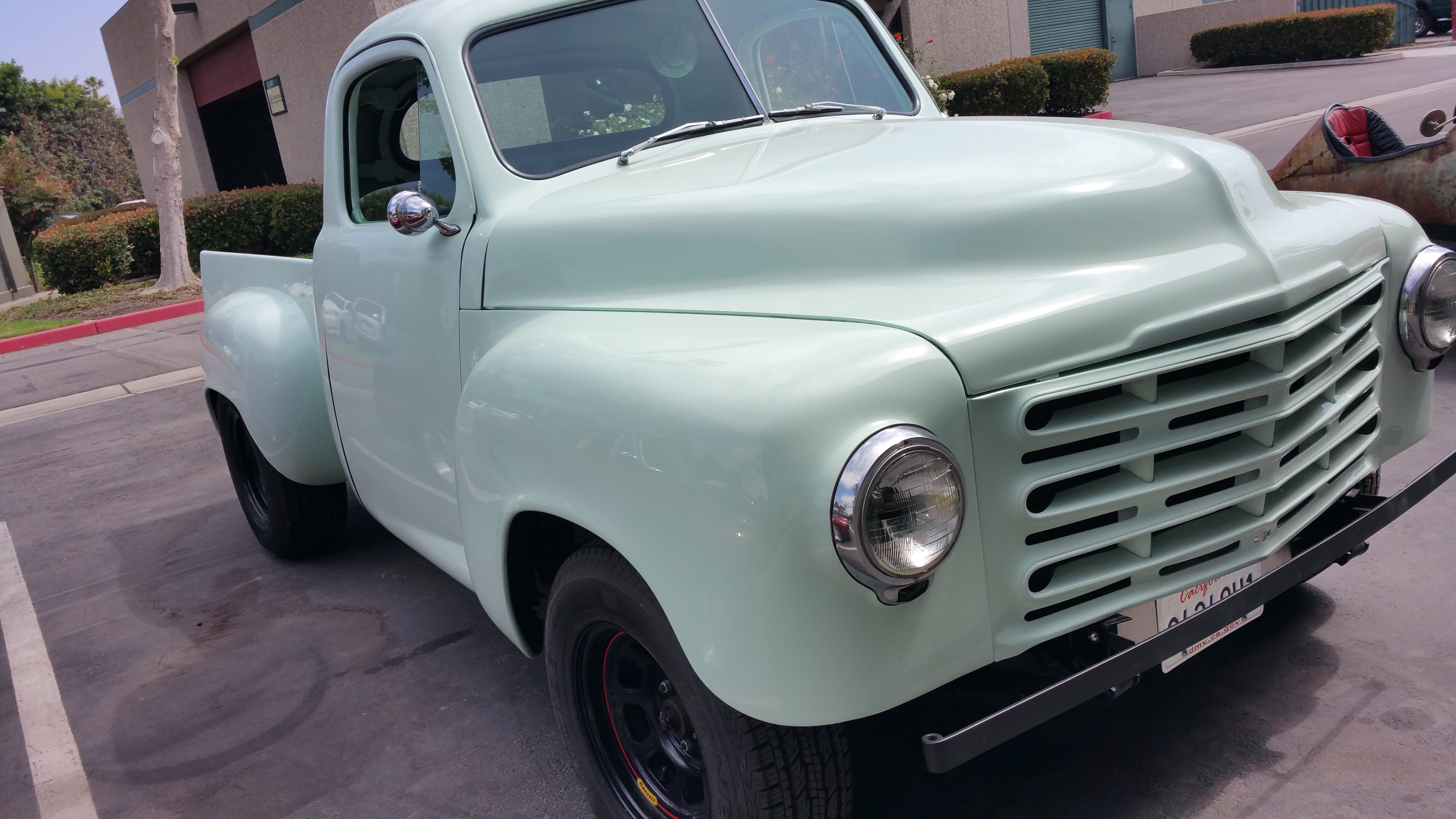
The R-Series (1950-1953): Introducing a more modern, yet still unique, styling, the R-series trucks featured a more conventional separate fender design but maintained Studebaker’s characteristic grille and cab lines. These were workhorses, often equipped with the durable "Commander" inline-six engines.
-
The E-Series (1955-1960): The E-series brought a more conventional, boxier look that aligned more closely with the prevailing truck designs of the mid-to-late 1950s, yet still retained Studebaker’s subtle styling cues. They offered various engine options, including Studebaker’s V8, making them more versatile and powerful. These are often a good entry point for those seeking a drivable classic with more readily available parts.
-
The Champ (1960-1964): The last Studebaker pickup truck, the Champ, is perhaps one of the most intriguing. Born out of necessity, it cleverly combined the front end and cab of the compact Lark passenger car with a new, wider pickup bed. This gave the Champ a unique, somewhat quirky aesthetic. Available with both six-cylinder and V8 engines (including the powerful 289 cu in V8), the Champ offers a more modern driving experience for a classic, often with better highway manners and performance. Its unique blend of car-like comfort and truck utility makes it a popular choice.
What to Look For When Buying a Studebaker Pickup
Purchasing a classic vehicle, especially one as unique as a Studebaker pickup, requires careful consideration. Here’s a guide to what you should inspect and understand before making an offer:
-
Condition Categories:
- Project/Parts Truck: These are often the most affordable, requiring extensive work. Expect significant rust, non-running engines, and missing parts. Only suitable if you have the skills, time, and budget for a full restoration.
- Driver Quality: These trucks are running and driving, presentable but not perfect. They may have minor rust, older paint, and some mechanical quirks. Ideal for those who want to enjoy the truck immediately and perform improvements over time.
- Restored/Show Quality: These command the highest prices, having undergone professional restoration. They are often immaculate, but ensure the quality of the restoration justifies the price. Look for documentation of the work.
-
Key Inspection Points:
- Rust: This is the primary enemy of any vintage vehicle. Pay close attention to:
- Frame: Inspect for pitting, cracks, or heavy rust, especially near suspension mounting points.
- Cab: Look at cab corners, rocker panels, floorboards, and firewall.
- Bed: Check the bed floor, inner and outer wheel wells, and tailgate.
- Fenders: Examine the lower sections and mounting points.
- Engine & Drivetrain: Inquire about the engine’s running condition, oil pressure, and any smoke. Is it the original engine, or has it been swapped? Check for leaks from the engine, transmission, and rear axle. Test the transmission through all gears.
- Interior: Assess the condition of the seat, dashboard, gauges, and door panels. Originality adds value, but replacement parts are available.
- Chassis & Suspension: Check for excessive play in the steering, worn ball joints, tie rod ends, and leaf springs.
- Brakes: Ensure they function properly and are not pulling to one side. Many older Studebakers have drum brakes; consider the cost of upgrading to discs if desired.
- Electrical System: Test all lights, wipers, and gauges. Original 6-volt systems can be temperamental; some trucks may have been converted to 12-volt.
- Paperwork: A clear title is paramount. Look for any maintenance records or documentation of previous work.
- Rust: This is the primary enemy of any vintage vehicle. Pay close attention to:
-
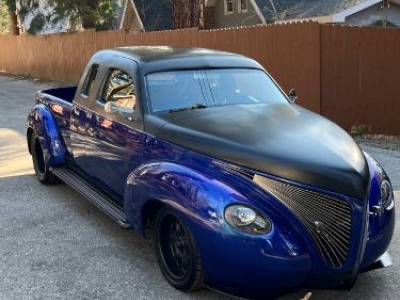
Originality vs. Customization: Decide whether you prefer a truck restored to factory specifications or a customized "restomod" or hot rod. Restomods, with modern engines, transmissions, and comfort features, offer a more contemporary driving experience but might not appeal to purists.
Where to Find Studebaker Pickup Trucks For Sale
Finding a Studebaker pickup requires a targeted approach, as they are not as common as other classic trucks.
- Online Marketplaces: Websites like eBay Motors, Hemmings Motor News, ClassicCars.com, and Bring a Trailer are excellent starting points. Filter your search specifically for Studebaker trucks.
- Specialty Classic Car Dealers: Some dealerships specialize in vintage vehicles and may occasionally have Studebaker pickups in stock.
- Studebaker Clubs and Forums: The Studebaker Drivers Club (SDC) is an invaluable resource. Their classifieds, forums, and regional chapters are often the best places to find well-maintained examples and connect with knowledgeable sellers.
- Auctions: Major classic car auctions (e.g., Barrett-Jackson, Mecum) sometimes feature Studebaker pickups, especially high-quality restored examples.
- Word of Mouth: Let fellow enthusiasts know you’re looking. Many great finds occur through networking.
Understanding Pricing and Valuation
The price of a Studebaker pickup truck for sale can vary dramatically based on model, year, condition, originality, engine type, and even regional demand. Generally, rarer models in pristine, restored condition will command premium prices, while projects will be significantly more affordable. Factors like a desirable V8 engine or unique factory options can also increase value. Always compare prices of similar models and conditions before making an offer.
Studebaker Pickup Trucks Estimated Price Guide (USD)
| Model Year Range | Model Name | Condition: Project/Parts | Condition: Driver Quality | Condition: Restored/Show | Key Features & Notes |
|---|---|---|---|---|---|
| 1941-1949 | M-Series | $3,000 – $8,000 | $10,000 – $25,000 | $30,000 – $60,000+ | Distinctive streamlined styling; mostly inline-6; good parts availability for core mechanicals. |
| 1950-1953 | R-Series | $2,500 – $7,000 | $8,000 – $20,000 | $25,000 – $50,000+ | More conventional but still unique post-war design; inline-6. |
| 1955-1960 | E-Series | $2,000 – $6,000 | $7,000 – $18,000 | $20,000 – $45,000+ | Classic 1950s truck look; first V8 options (259, 289 cu in); good entry point. |
| 1960-1964 | Champ | $3,500 – $9,000 | $12,000 – $30,000 | $35,000 – $70,000+ | Unique Lark car front end with truck bed; V8 options (259, 289 cu in); more modern drive. |
| General | Pre-War | $5,000 – $15,000+ | $15,000 – $40,000+ | $45,000 – $80,000+ | Rarest and often most challenging to find parts for; significant historical value. |
Note: Prices are estimates and can vary significantly based on location, specific model variant, engine, transmission, options, seller, and market conditions. Always conduct thorough research and consider a pre-purchase inspection by a qualified mechanic.
The Ownership Experience: Challenges and Rewards
Owning a Studebaker pickup is a unique journey that comes with both its joys and its considerations.
-
Challenges:
- Parts Availability: While not as readily available as Ford or Chevy parts, the Studebaker community and a network of specialist vendors offer a surprising array of reproduction, New Old Stock (NOS), and used parts. Joining the Studebaker Drivers Club (SDC) is highly recommended for access to resources.
- Specialized Knowledge: Finding mechanics familiar with Studebaker vehicles can be a challenge. Be prepared to learn some basic mechanics yourself or seek out specialized classic car shops.
- Performance Expectations: Remember these are vintage vehicles. They won’t accelerate or stop like modern trucks. Adjust your driving style and expectations accordingly.
-
Rewards:
- Uniqueness: You’ll almost certainly be the only Studebaker pickup at any car show or cruise night.
- Community: The Studebaker community is incredibly welcoming and supportive, offering a wealth of knowledge and camaraderie.
- Investment Potential: Well-maintained or professionally restored Studebaker trucks can appreciate in value, especially the rarer models.
- Driving Experience: There’s an undeniable charm and visceral connection to the road when driving a classic Studebaker. It’s a true analog experience.
- Conversation Starter: Be prepared for frequent questions and compliments wherever you go!
Frequently Asked Questions (FAQ) About Studebaker Pickup Trucks
Q1: Are Studebaker parts hard to find?
A1: While not as common as parts for Ford or Chevrolet, many mechanical and some body parts are available through specialist vendors, reproduction manufacturers, and the extensive network of the Studebaker Drivers Club (SDC). The SDC often has parts locators and members who hoard parts.
Q2: Are Studebaker pickups reliable?
A2: When properly maintained, Studebaker pickups are known for their robust and durable engineering. Their inline-six and V8 engines are generally long-lasting. Like any classic vehicle, reliability depends on previous maintenance and current condition. Regular preventative maintenance is key.
Q3: What’s the best Studebaker pickup model for a first-time classic truck owner?
A3: The E-Series (1955-1960) and especially the Champ (1960-1964) are often recommended. They offer a more modern driving feel, and their parts are somewhat easier to source compared to earlier models. The Champ, with its optional V8, provides good performance.
Q4: Can I daily drive a Studebaker pickup?
A4: While technically possible, daily driving a classic Studebaker pickup requires commitment. They lack modern safety features, air conditioning, and fuel efficiency. Many owners reserve them for weekend cruises, shows, or light hauling. Upgrades like disc brakes, power steering, and a 12-volt conversion can make them more user-friendly.
Q5: Do Studebaker pickups hold their value?
A5: Yes, well-preserved, original, or professionally restored Studebaker pickups can hold and even increase in value over time. Their unique appeal and relative rarity contribute to their collectibility. Condition, model year, and originality are key factors in determining value appreciation.
Q6: What engines did Studebaker pickups come with?
A6: Early models primarily used Studebaker’s rugged inline-six engines. From the mid-1950s, Studebaker also offered its own V8 engines, including the 259 cubic inch and the more powerful 289 cubic inch V8, especially in the E-Series and Champ models.
Conclusion
The pursuit of Studebaker pickup trucks for sale is an adventure into a unique corner of automotive history. These trucks are more than just vehicles; they are artifacts of American ingenuity, boasting distinctive styling, a reputation for durability, and a passionate community of owners. While acquiring and maintaining one may present a few more specific considerations than a more common classic, the rewards of owning a Studebaker are immeasurable.
From the streamlined M-Series to the charmingly practical Champ, each Studebaker pickup offers a tangible connection to the past and a driving experience unlike any other. By understanding their models, knowing what to inspect, and leveraging the invaluable resources of the Studebaker community, prospective buyers can confidently embark on the journey to bring one of these iconic pieces of American heritage home. Owning a Studebaker pickup isn’t just about driving; it’s about preserving a legacy and becoming part of a story that continues to captivate enthusiasts worldwide.