Restored Classic Pickup Trucks For Sale: A Comprehensive Guide to Owning a Piece of Automotive History pickup.truckstrend.com
Introduction: The Enduring Allure of Restored Classic Pickups
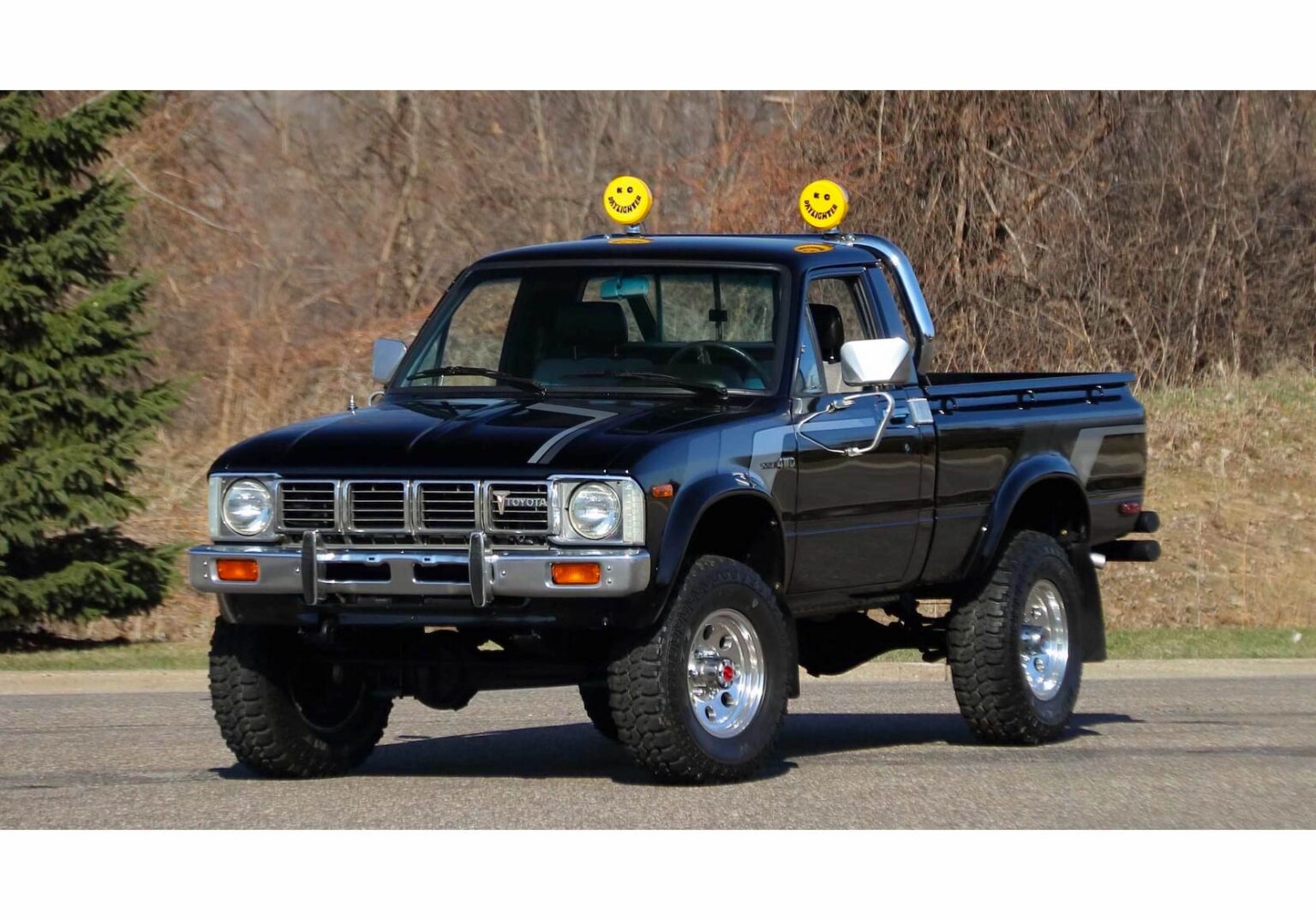
In a world increasingly dominated by sleek, mass-produced vehicles, the sight of a meticulously restored classic pickup truck is a breath of fresh air. These aren’t just old workhorses; they are rolling sculptures, testaments to timeless design, rugged utility, and a bygone era of automotive craftsmanship. "Restored Classic Pickup Trucks For Sale" refers to vehicles that have undergone a comprehensive process of repair, refurbishment, and often, enhancement, bringing them back to, or exceeding, their original glory. From the iconic Ford F-Series and Chevrolet C/K models to the distinctive Dodge Power Wagons and International Harvesters, these trucks offer a unique blend of nostalgia, style, and surprising practicality.
Restored Classic Pickup Trucks For Sale: A Comprehensive Guide to Owning a Piece of Automotive History
The appeal is multifaceted: for some, it’s the thrill of owning a piece of history, a tangible link to their past or their family’s heritage. For others, it’s the distinctive aesthetics that stand out from modern vehicles, turning heads wherever they go. Beyond the emotional connection, many see these trucks as sound investments, with values appreciating steadily for well-maintained and properly restored examples. This guide will delve into everything you need to know about navigating the exciting market of restored classic pickup trucks, offering insights, advice, and practical considerations for prospective buyers.
What Defines a Restored Classic Pickup Truck?
A "restored" classic pickup is far more than just an old truck with a fresh coat of paint. True restoration involves a thorough and often painstaking process to bring the vehicle back to its original factory specifications, or in some cases, to a customized "restomod" standard.
- Body and Paint: This typically involves stripping the body down to bare metal, repairing rust and dents, and applying multiple layers of high-quality primer, paint, and clear coat. Gaps should be even, and the finish should be deep and lustrous.
- Chassis and Frame: The frame should be inspected for damage, rust, and straightness. Often, it’s sandblasted and coated for protection. Suspension components (springs, shocks, bushings) are replaced or rebuilt.
- Engine and Drivetrain: The original engine is usually rebuilt to factory specifications, or a more modern, reliable engine is swapped in (in the case of a restomod). The transmission, differential, and axles are also inspected and serviced or rebuilt.
- Interior: This includes new upholstery, headliner, door panels, carpet, and a dashboard that matches the original design or is updated tastefully. Gauges should function correctly.
- Electrical System: Often a weak point in older vehicles, a restored truck will have a fully functional and safe electrical system, with new wiring harnesses if necessary.
- Chrome and Trim: All brightwork, badges, and trim pieces should be present, polished, or re-chromed.
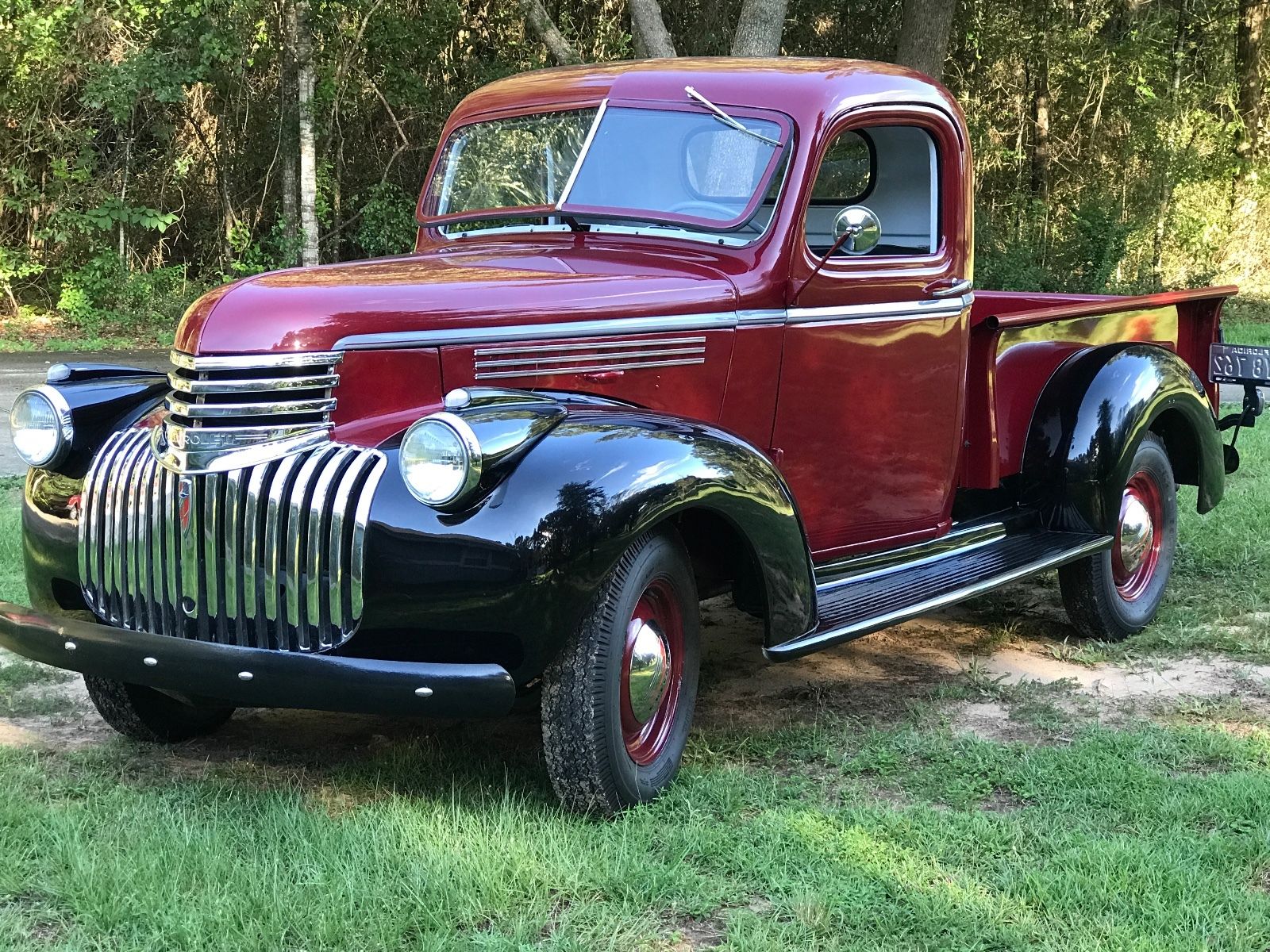
The level of restoration can vary from a "driver quality" truck, which looks good and is reliable for regular use, to a "concours quality" vehicle, which is flawless and built for show.
The Benefits of Owning a Restored Classic Pickup
Owning a restored classic pickup offers a unique set of advantages that modern vehicles simply cannot replicate:
- Unmatched Style and Character: These trucks possess an undeniable charm and presence. They evoke a sense of nostalgia and often become instant conversation starters.
- Potential for Appreciation: Unlike most new vehicles that depreciate rapidly, well-restored and popular classic pickups can hold or even increase in value over time, making them a tangible asset.
- Robust and Simple Mechanics: Many classic trucks were built with simpler, more robust mechanicals, often making them easier and less expensive to maintain for those with basic mechanical knowledge, compared to complex modern vehicles.
- Strong Community and Support: The classic truck community is vibrant and supportive, offering a wealth of knowledge, parts sources, and camaraderie at shows and events.
- Versatility: While often cherished, many restored pickups retain their utility, capable of light hauling, weekend cruising, or simply standing out from the crowd.
- Personal Expression: A restored classic pickup is a powerful form of personal expression, reflecting individual taste and a passion for automotive heritage.

Types of Restorations: Understanding the Spectrum
When looking at restored classic pickups, you’ll encounter different levels and philosophies of restoration:
- Original/Concours Restoration: The goal here is perfection and authenticity. Every part is either original or an exact, period-correct reproduction. The vehicle is restored to a condition that often surpasses its original factory state, making it suitable for high-level car shows. These are typically the most expensive.
- Driver Quality Restoration: These trucks are restored to be reliably driven and enjoyed. They look great, function perfectly, and are solid, but may have minor imperfections that don’t detract from their overall appeal. This is often the sweet spot for many buyers seeking a usable classic.
- Restomod (Restoration + Modification): A popular trend, restomods combine classic aesthetics with modern performance, comfort, and reliability. This might involve engine swaps (e.g., a modern V8), updated suspensions, power steering/brakes, air conditioning, and contemporary interiors, all while maintaining the classic exterior look. They offer the best of both worlds.
- Pro-Touring/Custom: These are highly customized vehicles built for performance driving or unique aesthetics. While they start with a classic body, almost everything else is custom-fabricated or upgraded significantly.
Understanding these categories will help you narrow down your search and align with your budget and intended use.
Essential Considerations Before You Buy: What to Look For
Purchasing a restored classic pickup requires careful consideration. A thorough inspection is paramount.
- Restoration Quality and Documentation:
- Photos: Ask for extensive photos of the restoration process, from start to finish. This provides invaluable insight into the quality of work.
- Receipts: Demand receipts for parts and labor. This verifies what was done and the quality of components used.
- Who Did the Work? Was it a reputable shop, or a backyard mechanic? Professional restorations often command higher prices but offer greater peace of mind.
- Rust is the Enemy: Even if a truck looks good, check for signs of hidden rust, especially in common areas like cab corners, rocker panels, floorboards, bed, fender wells, and frame rails. Use a magnet to detect body filler over rust.
- Engine and Drivetrain:
- Cold Start: Listen for strange noises (knocking, ticking, excessive smoke) when the engine is cold.
- Fluid Leaks: Check for oil, transmission, or coolant leaks.
- Transmission: Ensure smooth shifts in both automatic and manual transmissions.
- Differential: Listen for humming or clunking noises.
- Brakes and Suspension: Test the brakes for effectiveness and pull. Check for worn suspension components (bushings, ball joints) that can affect handling.
- Electrical System: Test all lights, gauges, wipers, heater, and any added accessories (radio, AC).
- Interior Condition: Assess the quality of upholstery, carpet, headliner, and dashboard. Ensure all controls work.
- Undercarriage: Inspect the frame for cracks, bends, or poor repairs. Look for new brake lines, fuel lines, and exhaust components.
- Test Drive: Always drive the truck yourself. Pay attention to steering feel, braking, acceleration, road noise, and any vibrations. Does it pull to one side? Does it feel safe and comfortable?
- Professional Pre-Purchase Inspection (PPI): This is highly recommended, especially for significant investments. A trusted mechanic specializing in classics can uncover issues you might miss.
Where to Find Restored Classic Pickup Trucks For Sale
The market for restored classic pickups is robust, with several avenues for finding your dream truck:
- Specialized Dealerships: Many dealerships focus exclusively on classic and collector vehicles. They often have higher prices but offer curated inventory, financing options, and sometimes warranties.
- Online Auction Sites: Platforms like Bring a Trailer, eBay Motors, and Mecum Auctions (online) offer a wide selection, often with detailed photos and videos. Be cautious and do your due diligence.
- Dedicated Online Marketplaces: Websites such as ClassicCars.com, Hemmings, and Autotrader Classics are excellent resources with extensive listings from private sellers and dealers.
- Classic Car Shows and Swap Meets: These events are great for seeing trucks in person, talking to owners, and sometimes finding a hidden gem.
- Restoration Shops: Many reputable restoration shops also sell trucks they’ve completed or have on consignment. This can be a great way to buy directly from the people who did the work.
- Word of Mouth/Forums: Engaging with online forums and classic truck clubs can lead to private sales not advertised elsewhere.
The Buying Process: Tips for a Smooth Transaction
Once you’ve found a truck you’re interested in, follow these steps:
- Research the Specific Model: Understand common issues, availability of parts, and typical values for the year, make, and model you’re considering.
- Communicate with the Seller: Ask detailed questions about the restoration, the truck’s history, and any known issues. A transparent seller is a good sign.
- Inspect Thoroughly (or Hire a PPI): As detailed above, don’t skip this critical step.
- Negotiation: Be prepared to negotiate. Have your budget in mind and be willing to walk away if the price isn’t right or the truck doesn’t meet your standards.
- Documentation: Ensure the title is clear and matches the VIN. Get a bill of sale outlining the terms of the purchase.
- Transportation: Plan how you’ll get the truck home. For long distances, enclosed transport is often best.
- Insurance: Get classic car insurance. It’s often more affordable than standard auto insurance and specifically designed for collector vehicles.
Estimated Price Ranges for Restored Classic Pickup Trucks
Prices for restored classic pickup trucks vary wildly based on make, model, year, rarity, quality of restoration (driver vs. show), originality, and current market demand. The table below provides general estimated price ranges for popular models, assuming a good "driver quality" to "excellent show quality" restoration. These are estimates only and actual prices can be significantly higher or lower.
| Make/Model (Example Years) | Restoration Quality | Estimated Price Range (USD) | Key Factors Influencing Price |
|---|
## The Enduring Appeal of Restored Classic Pickup Trucks: A Buyer's Comprehensive GuideThe unmistakable rumble of a V8 engine, the gleaming chrome reflecting sunlight, and those iconic body lines — there’s a unique magic to a restored classic pickup truck that modern vehicles simply can’t replicate. More than just transportation, these machines are tangible pieces of automotive history, embodying a rugged charm and a simpler era. For many, owning one is a lifelong dream, a passion project, or even a shrewd investment. This comprehensive guide aims to equip prospective buyers with the knowledge and insights needed to navigate the exciting, yet sometimes complex, market of "Restored Classic Pickup Trucks For Sale."
The Allure Defined: Why Classic Pickups?
A "restored classic pickup truck" is a vehicle from a bygone era that has undergone a meticulous process of refurbishment, bringing it back to, or often exceeding, its original factory condition. This involves everything from frame-off restoration to detailed engine rebuilds, fresh paint, and period-correct interiors. The appeal lies in several key factors:
- Nostalgia and Heritage: For many, these trucks evoke memories of childhood, family, or a specific period in American history. They represent a connection to a simpler time and a testament to enduring design.
- Distinctive Style: In an era of increasingly homogenized vehicle designs, a classic pickup stands out. Its bold lines, robust stance, and unique features command attention and admiration.
- Craftsmanship and Durability: Many older trucks were built with an emphasis on durability and straightforward mechanics. A properly restored classic is often a testament to robust engineering, capable of many more years of service.
- Investment Potential: Unlike most new vehicles that depreciate rapidly, well-chosen and expertly restored classic pickups can hold, or even appreciate, in value over time, making them a tangible asset.
- Community and Culture: Owning a classic truck opens doors to a vibrant community of enthusiasts, offering shared knowledge, events, and camaraderie.
Types of Restorations: Understanding What You’re Buying
Not all "restored" trucks are created equal. Understanding the different levels of restoration is crucial for setting expectations and evaluating value.
- Original/Concours Restoration: This is the pinnacle of restoration, aiming for absolute authenticity and perfection, often exceeding original factory standards. Every part is either original, NOS (New Old Stock), or a precisely fabricated reproduction. These trucks are typically trailered to shows and rarely driven, commanding the highest prices.
- Driver Quality Restoration: The most common and often practical category. These trucks are restored to look great and be reliably driven and enjoyed. While they may have minor imperfections, they are solid, dependable, and presentable. They offer an excellent balance of aesthetics, reliability, and cost.
- Restomod (Restoration + Modification): A highly popular trend that blends classic aesthetics with modern performance, comfort, and safety features. This can include engine swaps (e.g., a modern LS V8), updated transmissions, power steering, disc brakes, air conditioning, and contemporary interiors, all while retaining the classic exterior lines. Restomods offer the best of both worlds: vintage style with modern driveability.
- Survivor/Preserved: While not strictly "restored," these are original trucks that have been exceptionally well-preserved over decades, maintaining much of their factory paint, interior, and mechanicals. Their originality is their key appeal, and they are becoming increasingly sought after.
Key Sections for a Prospective Buyer
1. The Critical Inspection: What to Look For Under the Shine
Never buy a restored classic pickup without a thorough inspection. While a shiny paint job can hide a multitude of sins, a meticulous buyer will look deeper.
- Rust (The Ultimate Enemy): Even if the exterior looks clean, rust can lurk in critical areas. Check:
- Frame: Look for pitting, flaking, or evidence of poor patch repairs. A bent or twisted frame is a deal-breaker.
- Body Panels: Inspect cab corners, rocker panels, floorboards, bed mounts, fender wells, and door bottoms. Use a magnet to detect excessive body filler.
- Seams and Gaps: Uneven panel gaps can indicate previous accident damage or poor bodywork during restoration.
- Engine and Drivetrain:
- Cold Start: Insist on a cold start. Listen for knocks, ticks, excessive smoke (blue, black, white), or difficulty starting.
- Fluid Leaks: Check for oil, coolant, or transmission fluid leaks.
- Transmission: Test all gears, ensuring smooth shifts without grinding or slipping.
- Differential: Listen for humming or clunking sounds during the test drive.
- Brakes and Suspension:
- Brakes: Ensure the pedal feels firm and the truck stops straight without pulling. Check for new lines, calipers/cylinders, and master cylinder.
- Suspension: Look for new shocks, springs, bushings, and ball joints. Worn components lead to poor handling and ride quality.
- Electrical System: Test every electrical component: headlights, taillights, turn signals, brake lights, wipers, horn, gauges, heater/AC fan, radio. Old wiring can be a fire hazard.
- Interior: Assess the quality of upholstery, headliner, carpet, and dash. Are all gauges functional? Do windows roll up and down smoothly?
- Documentation: This is paramount. Ask for receipts, invoices, and photos detailing the restoration process. A reputable restorer or seller will have these readily available. This validates the quality of work and parts used.
2. Where to Find Your Dream Classic Pickup
The market offers several avenues, each with its pros and cons:
- Specialized Classic Car Dealerships: These dealers often have high-quality, pre-inspected inventory, offering convenience, financing, and sometimes even a limited warranty. Prices tend to be higher.
- Online Auction Platforms (Bring a Trailer, eBay Motors, Mecum Auctions): Offer a vast selection with detailed listings, photos, and often videos. Be highly diligent; you’re often buying sight unseen.
- Dedicated Online Marketplaces (ClassicCars.com, Hemmings, AutoTrader Classics): These aggregate listings from private sellers and dealers, providing a wide range of options.
- Classic Car Shows and Swap Meets: Excellent for seeing trucks in person, talking to owners, and gauging market trends. You might find a private seller here.
- Direct from Restoration Shops: Some top-tier restoration shops sell their completed projects. Buying directly can offer insight into the build quality and a relationship with the builder for future maintenance.
- Word of Mouth and Clubs: Joining local or national classic truck clubs can provide leads on private sales and invaluable advice.
3. The Buying Process: Practical Advice and Actionable Insights
- Set a Realistic Budget: Not just for the purchase price, but also for insurance, registration, ongoing maintenance, and potential immediate post-purchase improvements.
- Research Thoroughly: Understand the specific model you’re interested in, its common issues, parts availability, and typical market values for different restoration levels.
- Professional Pre-Purchase Inspection (PPI): For any significant investment, hire a qualified mechanic specializing in classic vehicles to perform a comprehensive PPI. This modest investment can save you thousands down the road.
- Negotiation: Don’t be afraid to negotiate. Be polite but firm. Have a walk-away price in mind.
- Clear Title and Documentation: Ensure the seller has a clear title in their name, and that the VIN on the title matches the vehicle. Get a detailed bill of sale.
- Insurance: Obtain specialized classic car insurance. It’s often more affordable than standard insurance and tailored to the unique needs of collector vehicles.
- Post-Purchase Plan: Consider where you’ll store it (ideally garaged), who will service it (find a local classic-friendly mechanic), and how often you plan to drive it.
Potential Challenges and Solutions
- High Initial Cost: Quality restorations are expensive. Solution: Consider a "driver quality" truck if budget is a concern, or look for a solid project you can restore over time (though this often costs more in the long run).
- Finding Reputable Sellers/Restorers: The market has its share of "shadetree" operations. Solution: Seek recommendations, check online reviews, inspect previous work, and demand documentation.
- Maintenance of Older Vehicles: Even restored, classic trucks require more frequent and specialized maintenance than modern cars. Solution: Learn basic mechanics, find a trusted classic car mechanic, and join