1000 Dollar Pickup Trucks For Sale: Your Guide to Budget Hauling and DIY Adventures pickup.truckstrend.com
The dream of owning a reliable pickup truck often conjures images of shiny new models, powerful engines, and hefty price tags. But what if your budget is limited to just a thousand dollars? Is it a pipe dream, or can you genuinely find a functional pickup truck for that price? The answer, for the adventurous and mechanically inclined, is a resounding "yes," but with significant caveats and a healthy dose of realism.
A "$1000 pickup truck" isn’t just a vehicle; it’s an opportunity, a project, or a utilitarian workhorse that defies modern consumerism. These aren’t the trucks you’ll see gracing dealership lots; they are the grizzled veterans of the road, often found in backyards, fields, or listed on obscure online marketplaces. This comprehensive guide will navigate the intriguing world of sub-$1000 pickup trucks, equipping you with the knowledge to find, evaluate, and potentially revive one of these budget-friendly beasts.
1000 Dollar Pickup Trucks For Sale: Your Guide to Budget Hauling and DIY Adventures
The Reality of a $1000 Pickup Truck: Managing Expectations
Let’s be clear from the outset: a $1000 pickup truck will not be in pristine condition. Expect imperfections, and lots of them. You’re entering a realm where "character" is often code for dents, rust, and a litany of mechanical quirks.
What to Expect:
- Cosmetic Blemishes: Dings, dents, faded paint, peeling clear coat, rust (surface or structural).
- High Mileage: Odometer readings well into the 200,000s or beyond are common. Some odometers may even be broken.
- Mechanical Imperfections: Leaky gaskets, worn suspension components, weak AC, non-functional gauges, check engine lights.
- Basic Amenities: Manual windows, no power locks, limited or no infotainment system.
- Previous Hard Life: These trucks have likely been used for work, hauling, or as farm vehicles.
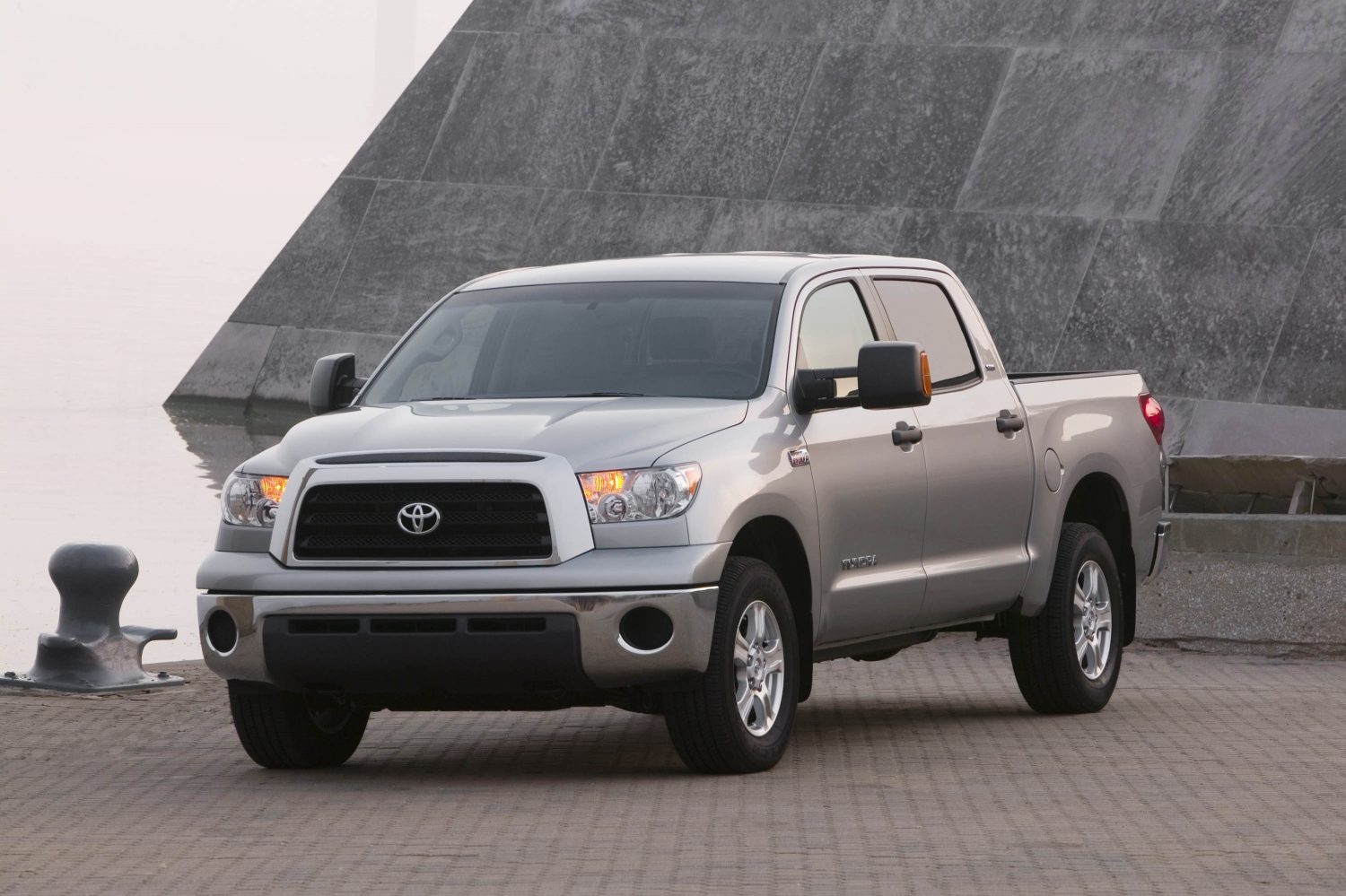
What NOT to Expect:
- Showroom Condition: Forget about a shiny exterior or a spotless interior.
- Turn-Key Reliability: While some might run, don’t assume it’s ready for a cross-country trip without significant attention.
- Modern Safety Features: Airbags, ABS, traction control – if present, they might be rudimentary or non-functional.
- Warranty or Guarantees: These are strictly "as-is" sales.
- A "Deal" That’s Too Good to Be True: If it looks perfect for $1000, it’s likely a scam or has severe hidden issues.


The true cost of a $1000 truck often extends beyond the initial purchase price. Factor in potential repair costs, towing, registration, and insurance. This isn’t just buying a vehicle; it’s investing in a project that requires time, effort, and often, more money.
Why Go for a $1000 Pickup? The Niche Market
Despite the challenges, there are compelling reasons why someone would pursue a sub-$1000 pickup. It caters to a very specific set of needs and desires:
- Farm/Utility Vehicle: For private land use, hauling feed, tools, firewood, or clearing brush, an old, beat-up truck is ideal. Its primary purpose is utility, not aesthetics.
- Project Vehicle: For aspiring mechanics, hobbyists, or those looking to learn vehicle repair, a cheap truck provides a low-risk platform to get hands-on experience. Every repair is a learning opportunity.
- Parts Donor: If you already own a specific model of truck, buying another cheap one for parts can be significantly more cost-effective than buying individual components from a salvage yard.
- Beater/Work Truck: For jobs where the vehicle will take a beating, a $1000 truck serves as a disposable asset. Construction sites, landscaping, or rough terrain are its natural habitat.
- Emergency/Backup: Having a cheap, functional vehicle for emergencies or when your primary vehicle is in the shop can be invaluable.
- The Thrill of the Hunt: For some, the challenge of finding a hidden gem, negotiating a deal, and bringing a neglected machine back to life is an enjoyable pursuit in itself.
Where to Find $1000 Pickup Trucks
Finding these budget-friendly trucks requires patience, persistence, and knowing where to look.
- Online Marketplaces (Your Best Bet):
- Craigslist: Still a treasure trove for cheap vehicles. Be specific with your search terms (e.g., "pickup truck under $1500," "old Ford F150," "Chevy C10 project").
- Facebook Marketplace: Increasingly popular. Use keywords like "project truck," "farm truck," "work truck," "needs work." Join local "for sale" groups.
- Local Ads & Word of Mouth:
- Community Bulletin Boards: Check local grocery stores, feed mills, or laundromats.
- Newspaper Classifieds: Less common now, but still occasionally yield results in rural areas.
- Ask Around: Talk to local mechanics, farmers, or older residents. They often know of a truck sitting idle in a barn or backyard.
- Auction Houses:
- Government Surplus/Impound Auctions: These can be risky as vehicles are often sold "as-is" with limited inspection time, but deals can be found.
- Salvage Yards/Tow Lots: Sometimes, vehicles that are not heavily damaged but abandoned or difficult to title might be sold for cheap.
- Drive Around Rural Areas: Keep an eye out for "For Sale" signs on trucks sitting in fields or driveways.
Tips for Searching:
- Be Broad: Don’t limit yourself to specific models initially.
- Act Fast: Good deals (even on $1000 trucks) go quickly.
- Be Prepared to Travel: You might need to drive a bit to find options.
- Filter by Price: Always set your maximum price filter to $1000-$1500 to catch anything slightly over that might be negotiable.
What to Look For (and Look Out For) When Inspecting a $1000 Truck
This is the most critical stage. A thorough inspection can save you from buying a money pit. Assume everything is broken until proven otherwise.
- Frame Rust (DEAL BREAKER): This is paramount. Surface rust is common and often manageable. Rot in the frame, especially near suspension mounting points, steering box, or bed mounts, is a red flag. It indicates structural integrity issues and expensive, specialized repairs. Bring a hammer to gently tap areas – if it sounds hollow or flakes away, walk away.
- Clear Never buy a vehicle without a clear, transferable title in the seller’s name. A "bill of sale only" might mean a stolen vehicle, an abandoned vehicle, or a nightmare at the DMV. Verify the VIN on the title matches the truck.
- Engine & Transmission:
- Check Fluids: Oil (level, color, smell – milky indicates coolant in oil), coolant (level, color, signs of oil), transmission fluid (level, color – should be red/pink, not brown/black).
- Start it Cold: Listen for knocking, tapping, or grinding. Does it smoke? (White usually coolant, blue usually oil, black usually fuel).
- Test Drive (if possible): Listen for transmission slipping, hard shifts, or strange noises.
- Brakes: Check the brake fluid level. Test the brakes thoroughly during a test drive. Listen for grinding or squealing. Look for fluid leaks around the wheels.
- Tires: Check tread depth, dry rot (cracks in the sidewalls), and uneven wear patterns (indicating suspension issues).
- Suspension & Steering: Look for worn bushings, leaky shocks, or excessive play in the steering wheel.
- Electrical: Test all lights (headlights, tail lights, turn signals, brake lights), wipers, horn, radio, and interior lights. Check for frayed wires or aftermarket wiring horrors.
- Interior: While cosmetics are secondary, ensure basic controls (heater/fan, defroster) work. Check for excessive water leaks.
- Battery: Check for corrosion and ensure it holds a charge.
- Bring a Friend (Ideally a Mechanic): A second pair of eyes, especially an experienced one, is invaluable. Don’t feel pressured to buy on the spot.
Common Repairs and Potential Costs
Once you own a $1000 truck, expect to spend more money. The good news is that many common issues on older trucks are relatively simple and inexpensive to fix, especially if you’re willing to do the work yourself.
- Routine Maintenance: Oil change, spark plugs, air filter, fuel filter, belts, hoses ($50-$200 DIY).
- Battery, Alternator, Starter: Common failure points ($100-$300 for parts).
- Brakes: Pads, rotors, calipers, brake lines ($150-$500 per axle for parts).
- Tires: Often the most immediate cost ($300-$800 for a set).
- Exhaust System: Rust often claims mufflers and pipes ($100-$400 for parts).
- Ignition System: Distributor, spark plug wires ($50-$200 for parts).
- Cooling System: Radiator, water pump, thermostat, hoses ($100-$400 for parts).
- Rust Repair: This can range from patching small holes ($50 in materials) to major body panel replacement (potentially thousands).
- Major Engine/Transmission Work: This is where the costs can quickly exceed the truck’s value ($1000-$3000+ for rebuilt components, even more for professional labor).
Actionable Insight: Prioritize safety and driveability. Get the brakes, steering, lights, and tires in good order first. Then tackle less critical issues. Learning basic mechanics and investing in a good set of tools will save you thousands in labor costs.
Legality and Practicalities of Owning a Cheap Truck
Before you drive off into the sunset with your new-to-you truck, consider the legal and practical aspects.
- Title Transfer & Registration: Understand your state’s specific requirements. You’ll need the signed-over title, a bill of sale, and possibly an odometer disclosure statement. Expect to pay sales tax and registration fees.
- Insurance: Most states require at least liability insurance. For a $1000 truck, comprehensive or collision coverage often isn’t worth the premium, as the payout would be minimal. Discuss options with your insurer.
- Emissions Testing: If your state or county has emissions testing, ensure the truck can pass. Older vehicles may have exemptions, but a malfunctioning engine could be a costly fix to meet standards.
- Towing Plan: Assume it will break down. Have a plan for how you’ll get it home or to a repair shop. Membership with a roadside assistance program can be a wise investment.
- Safety Considerations: Older trucks lack modern safety features. Drive defensively, and consider upgrading headlights or adding a backup camera if feasible.
| Category/Condition of $1000 Truck | Likely Issues | Best Use Case | Expected Additional Initial Costs (DIY Parts) |
|---|---|---|---|
| "Runner & Driver" (Rare Find) | Minor electrical, cosmetic, basic maintenance | Light utility, learning mechanics, short-distance hauler | $200 – $500 (fluids, tune-up, minor repairs) |
| "Needs Work" (Most Common) | Brakes, tires, exhaust, suspension, leaks | Project vehicle, farm truck, dedicated workhorse | $500 – $1500+ (major component replacement) |
| "Parts Truck/Salvage" | Major engine/trans, heavy rust, frame damage | Parts donor for another vehicle, scrap metal | $0 (if not trying to fix) – $Expensive (if attempting major repair) |
Note: "Initial Costs" are estimates for parts if you perform the labor yourself. Professional labor costs would significantly increase these figures.
Conclusion: The Thousand-Dollar Truck Adventure
Acquiring a $1000 pickup truck is not for the faint of heart, nor for those seeking effortless reliability. It’s an adventure, a challenge, and an opportunity. For the right individual – someone with mechanical aptitude, patience, a realistic budget for repairs, and a specific need for a utilitarian vehicle – a $1000 truck can be an incredibly rewarding investment.
It’s about embracing the imperfections, learning new skills, and celebrating the raw utility of a machine built for work. With diligent searching, careful inspection, and a willingness to get your hands dirty, that seemingly impossible $1000 pickup truck can transform from a rusty relic into a dependable workhorse, a cherished project, or the ultimate budget-friendly hauler.
Frequently Asked Questions (FAQ) about 1000 Dollar Pickup Trucks For Sale
Q1: Can I really get a reliable truck for $1000?
A1: It’s unlikely you’ll get a reliable daily driver without significant additional investment. For $1000, you’re buying potential reliability, usually through your own repairs and maintenance. It might be reliable for specific tasks (e.g., farm use) but not necessarily for daily commuting without work.
Q2: What’s the biggest risk with buying a $1000 truck?
A2: The biggest risk is buying a truck with severe, hidden structural rust (especially in the frame) or a catastrophic engine/transmission failure that makes repairs uneconomical. A lack of a clear title is also a huge risk.
Q3: What brands/models are best to look for in this price range?
A3: Generally, older, simpler, and more common models are best due to parts availability and ease of repair. Look for older Ford F-150s, Chevrolet C/K series (C10, K1500), Dodge Rams (pre-2000s), and older Japanese trucks like Toyota Hilux/Tacoma or Nissan Hardbody. Their widespread production means parts are easier and cheaper to find.
Q4: Do I need a clear title to buy a $1000 truck?
A4: Absolutely. Always demand a clear, transferable title in the seller’s name. Buying a vehicle without a title can lead to endless legal headaches, making it impossible to register or sell the truck.
Q5: How much should I budget for repairs after buying a $1000 truck?
A5: A good rule of thumb is to budget at least another $500-$1000 for immediate, essential repairs (tires, brakes, fluids, battery, tune-up). For major issues, this could easily climb to $1500-$3000+. Be prepared for ongoing maintenance costs.
Q6: Can I get insurance for a $1000 truck?
A6: Yes, you can. Most insurance companies will offer liability-only coverage, which is typically required by law. Comprehensive or collision coverage is usually not cost-effective for a vehicle of this value, as the payout in case of an accident would be minimal.
Q7: Is it worth it for a daily driver?
A7: For most people, no. Unless you have significant mechanical skills, a backup vehicle, and a high tolerance for potential breakdowns, a $1000 truck is generally not advisable as a primary daily driver. It’s better suited as a project, a dedicated work vehicle, or a farm truck.