1930’s And 1940’s Pickup Trucks For Sale: A Journey Back in Time pickup.truckstrend.com
In an era defined by resilience, innovation, and an unwavering spirit, the pickup truck emerged as an indispensable workhorse, shaping the landscapes of agriculture, commerce, and daily life across America. The 1930s and 1940s represent a pivotal period in automotive history, where these utilitarian vehicles evolved from basic conveyances into more refined, yet still robust, machines. Today, these vintage pickups are more than just old vehicles; they are rolling pieces of history, embodying the grit of the Great Depression, the resolve of World War II, and the post-war boom that laid the foundation for modern America. For collectors, restorers, hot-rodders, and enthusiasts alike, acquiring a 1930s or 1940s pickup truck for sale offers a unique opportunity to own a tangible slice of Americana, a vehicle that tells a story with every dent, every curve, and every rumble of its engine.
This comprehensive guide delves into the fascinating world of vintage pickup trucks from these iconic decades, providing insights for anyone looking to embark on the rewarding journey of finding, buying, and cherishing one of these automotive legends.
1930’s And 1940’s Pickup Trucks For Sale: A Journey Back in Time
A Glimpse into Automotive History: The 1930s and 1940s Pickup Landscape
The design and function of pickup trucks underwent significant transformations during the 1930s and 1940s, reflecting the economic and social shifts of the time.
The 1930s saw manufacturers like Ford, Chevrolet, Dodge, GMC, International Harvester, and Studebaker competing for market share in a challenging economic climate. Despite the Great Depression, demand for reliable work vehicles persisted. Early 30s trucks often featured flowing fenders, distinct grilles, and relatively narrow cabs, often sharing components with passenger cars. Ford’s introduction of the Flathead V8 engine in 1932 revolutionized the industry, offering unprecedented power for a light truck and cementing its popularity. Chevrolet countered with its robust inline-six engines. By the late 1930s, designs became more integrated, with cabs growing larger and beds becoming more purposeful. These trucks were built for durability, with simple mechanics that allowed for easy repair in an era where replacement parts weren’t always readily available.
As the world edged towards and then plunged into World War II, the focus shifted dramatically. Civilian production ceased or was heavily restricted, and factories turned their attention to military vehicles. Pickup truck designs in the early 1940s often reflected this utilitarian shift, with simpler grilles, less chrome, and more robust construction. Many civilian trucks produced during the war years were "blackout" models, featuring painted trim instead of chrome due to material rationing. Post-war, the late 1940s brought a resurgence in civilian vehicle production, with manufacturers quickly rolling out new designs to meet pent-up demand. Chevrolet introduced its "Advance-Design" series in 1947, and Ford followed with its F-Series in 1948, both marking significant advancements in styling, comfort, and utility, setting the stage for modern pickups.
Why Buy a Vintage Pickup? The Allure and Benefits
The appeal of a 1930s or 1940s pickup truck extends far beyond mere transportation. These vehicles offer a unique blend of benefits for the discerning buyer:
- Timeless Aesthetics: The distinct styling, from the classic grilles and separate fenders of the 30s to the more integrated, yet still iconic, lines of the late 40s, possesses an undeniable charm. They stand out in a sea of modern vehicles, turning heads wherever they go.
- Investment Potential: Well-maintained, original, or professionally restored vintage trucks have shown consistent appreciation in value, making them not just a hobby but potentially a sound investment. Rare models or those with unique historical significance command even higher prices.
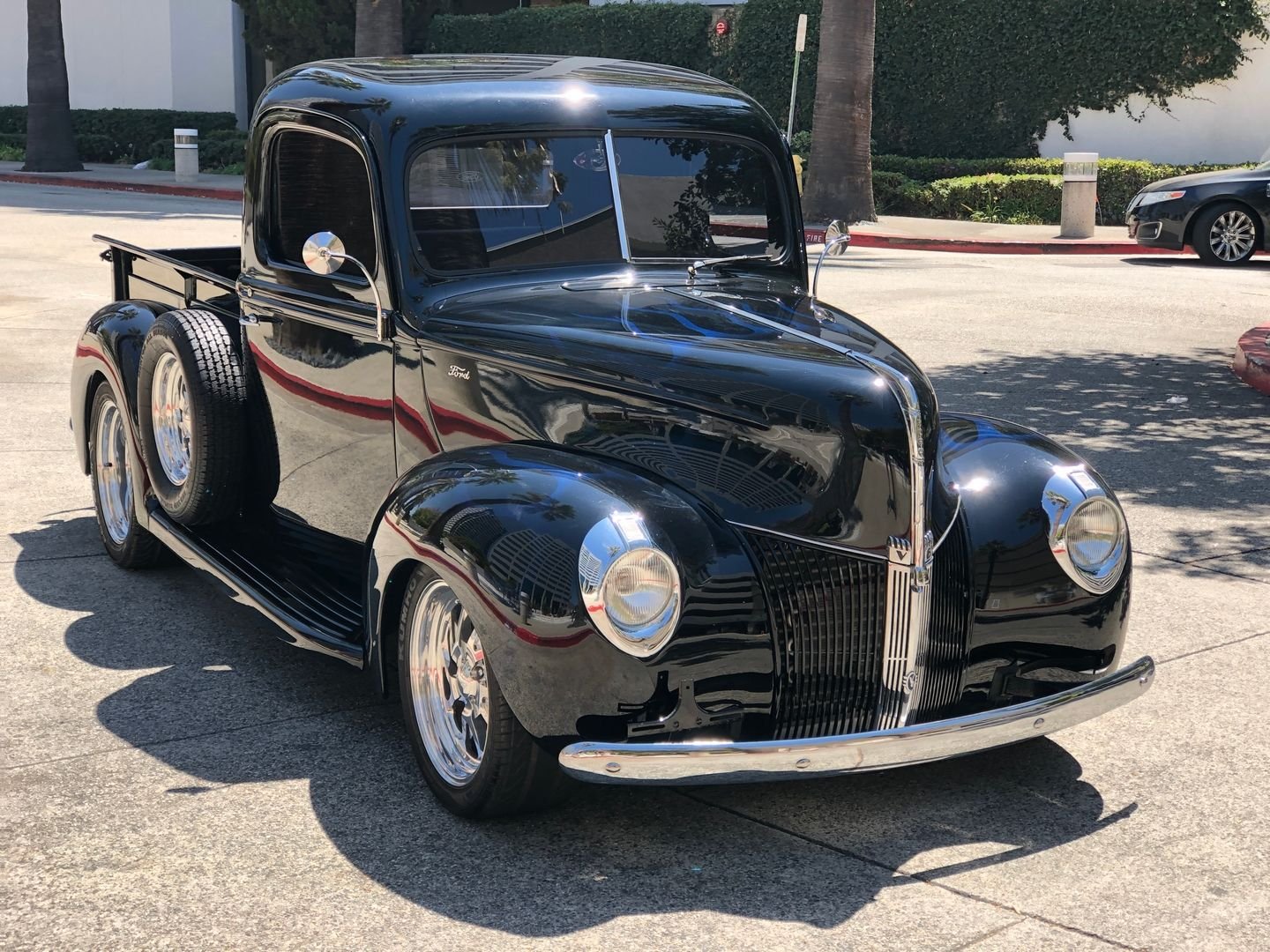
- Versatility in Purpose: A vintage pickup can be anything you want it to be. It can be meticulously restored to concourse perfection, transformed into a powerful hot rod with modern running gear, or simply enjoyed as a charming "driver" with a bit of patina, used for weekend cruises or local shows.
- A Unique Driving Experience: Driving a vintage truck is an immersive experience. The unassisted steering, the manual transmission, the distinct engine notes – it connects you directly to the road and to a bygone era, offering a level of engagement rarely found in modern vehicles.
- Community and Culture: Owning a classic pickup opens doors to a vibrant community of fellow enthusiasts. Car shows, swap meets, and online forums provide opportunities for camaraderie, sharing knowledge, and sourcing parts.

Navigating the Market: Where to Find Your Dream Vintage Truck
Finding the right 1930s or 1940s pickup requires patience and knowing where to look. The market is diverse, offering everything from barn-find projects to fully restored show trucks.
- Online Marketplaces and Auctions: Websites like ClassicCars.com, Hemmings.com, eBay Motors, and Bring a Trailer are excellent starting points. They offer a wide selection, detailed descriptions, and often extensive photo galleries. Major classic car auctions (e.g., Barrett-Jackson, Mecum Auctions) are also prime venues for higher-end vehicles.
- Specialized Dealerships and Brokers: Reputable classic car dealerships often have a curated inventory of vintage pickups. While prices might be higher, you often benefit from pre-purchase inspections and guaranteed titles.
- Car Shows and Swap Meets: Attending local and regional classic car shows and swap meets can be incredibly rewarding. You can see vehicles in person, talk to owners, and sometimes find private sellers.
- Word of Mouth and Classic Car Clubs: Networking within classic car communities, either through local clubs or online forums, can lead to hidden gems. Many sales happen privately within these networks.
- Barn Finds and Estate Sales: For the adventurous and those seeking a project, sometimes the most exciting finds come from unexpected places like old barns, garages, or estate sales. These often require significant restoration but can be bought at a lower initial cost.

What to Look For: Essential Inspection Points Before Buying
Before making an offer on a vintage pickup, a thorough inspection is paramount. Understand that even a "perfect" truck will have quirks, but knowing what to look for can prevent costly surprises.
- Condition Categories: Understand the seller’s description.
- Project: Needs significant work (engine, body, interior, chassis). Lowest price point, highest effort.
- Driver: Runs and drives, but may have cosmetic flaws or need minor mechanical attention. Usable as-is.
- Restored: Has undergone a professional restoration, aiming for originality or a high-quality custom build. Higher price.
- Custom/Hot Rod: Modified with modern components (engine, suspension, interior). Varies widely in quality and price.
- Rust: This is the ultimate enemy. Check the frame rails, cab corners, floor pans, bed floor, fenders, and lower door sections. Surface rust is manageable, but extensive structural rust (perforations, flaking) can be a deal-breaker or require expensive professional repair.
- Engine and Drivetrain: If possible, start the engine from cold. Listen for unusual noises (knocks, taps, excessive smoke). Check for fluid leaks. Test the transmission and brakes. Original engines may be less powerful but offer authenticity; modern engine swaps (e.g., small-block Chevy V8) offer reliability and power.
- Chassis and Suspension: Look for worn bushings, cracked springs, or excessive play in the steering. Check tire condition and alignment.
- Body and Paint: Inspect for dents, bondo (filler), wavy panels, and the quality of the paint job. Look for consistent panel gaps.
- Interior: Assess the seat upholstery, headliner, door panels, dashboard, and gauges. Are all electrical components (lights, wipers, horn) functioning?
- Documentation: Crucially, verify the vehicle’s title. Ensure the VIN matches the title and that it’s clear of liens. Service records or photos of previous work are a bonus.
- Originality vs. Modifications: Decide what you want. A perfectly original truck commands a premium among purists. A modified truck offers modern comfort and performance.
Restoration vs. Hot Rod: Choosing Your Path
Once you acquire your vintage pickup, you’ll face a fundamental decision: restore it to its original glory or transform it into a custom hot rod?
- Restoration: The goal is to return the truck to its factory-original condition, using period-correct parts, colors, and finishes. This path is often chosen by purists and those interested in historical accuracy. Challenges include sourcing rare original parts and the potentially high cost of skilled labor to achieve a show-quality finish. The reward is a vehicle that truly represents its era, often commanding higher values among collectors.
- Hot Rod/Custom: This involves modernizing the truck with contemporary components. Common modifications include engine swaps (e.g., Chevy LS, Ford Coyote), upgraded transmissions, disc brakes, power steering, air conditioning, and modern suspensions (e.g., independent front suspension). The benefits are enhanced reliability, performance, safety, and comfort for daily driving. While some purists may frown upon extensive modifications, well-executed customs are highly sought after and can be incredibly valuable.
- Patina: A growing trend involves preserving the truck’s original, weathered finish (patina) while making it mechanically sound. This celebrates the truck’s history and character without the expense of a full repaint.
Owning and Maintaining a Vintage Pickup: Practical Advice
Owning a vintage pickup is a commitment, but a rewarding one.
- Parts Availability: For popular models like Ford and Chevrolet, a vast aftermarket exists, offering reproduction body panels, trim, mechanical components, and interior parts. Less common makes may require more extensive searching, fabrication, or sourcing from salvage yards.
- Mechanical Simplicity: Many vintage trucks are mechanically straightforward, making them ideal for DIY enthusiasts. Basic tools and a good service manual can go a long way.
- Safety Upgrades: Consider modernizing critical safety components. Disc brake conversions significantly improve stopping power. Upgrading to a 12-volt electrical system allows for brighter lights and modern accessories. Adding seatbelts is always recommended.
- Insurance: Standard auto insurance policies may not adequately cover classic vehicles. Seek out specialized classic car insurance providers who understand the unique value and usage patterns of vintage vehicles.
- Storage: Protect your investment from the elements. A garage or car cover is essential to prevent rust and maintain the finish.
Price Table: 1930s and 1940s Pickup Trucks (Estimated Ranges)
Prices for vintage pickup trucks vary wildly based on make, model, year, originality, condition, and location. The table below provides broad estimated ranges to give you a general idea. These are estimates only and should not be considered definitive prices.
| Make/Model (Examples) | Year Range | Condition Category | Estimated Price Range (USD) | Key Factors Influencing Price |
|---|---|---|---|---|
| Ford Model A Pickup | 1930-1931 | Project | $5,000 – $12,000 | Completeness, rust, title status |
| Driver | $15,000 – $30,000 | Mechanical soundness, cosmetic appeal | ||
| Restored/Show | $35,000 – $60,000+ | Quality of restoration, originality | ||
| Ford V8 Pickup | 1932-1940 | Project | $7,000 – $18,000 | Frame condition, engine presence |
| (e.g., ’34, ’37, ’40) | Driver | $20,000 – $45,000 | Running condition, minor flaws | |
| Restored/Custom | $50,000 – $100,000+ | Desirability of year, build quality, engine type | ||
| Chevrolet Pickup | 1930-1940 | Project | $6,000 – $15,000 | Less expensive than Ford, but similar factors |
| Driver | $18,000 – $35,000 | Reliability, originality, specific year | ||
| Restored/Show | $40,000 – $75,000+ | Authenticity, market demand | ||
| Chevrolet AK/Advance-Design | 1941-1947 | Project | $8,000 – $20,000 | Availability, common rust areas |
| (e.g., ’41, ’47 3100) | Driver | $25,000 – $50,000 | Usability, mechanical integrity | |
| Restored/Custom | $55,000 – $120,000+ | High popularity for customs, restoration quality | ||
| Dodge/Plymouth Pickup | 1930-1947 | Project | $4,000 – $10,000 | Rarer, parts availability issues |
| Driver | $12,000 – $28,000 | Mechanical soundness, overall condition | ||
| Restored/Show | $30,000 – $60,000+ | Rarity, unique appeal, quality of restoration | ||
| International Harvester/Studebaker | 1930-1947 | Project | $3,000 – $9,000 | Rarity, very limited parts availability |
| Driver | $10,000 – $25,000 | Unique appeal, running condition | ||
| Restored/Show | $28,000 – $55,000+ | Extreme rarity, specific collector interest |
Note: Prices are highly subjective and can fluctuate. "Show" quality restoration implies a flawless vehicle that often wins awards, commanding top dollar. "Custom" builds can range from mild modifications to full frame-off, high-horsepower creations, with prices reflecting the level of craftsmanship and components used.
Practical Advice and Actionable Insights
- Define Your Budget: Be realistic about not just the purchase price, but also the potential costs of restoration, parts, and ongoing maintenance.
- Do Your Homework: Research specific models you’re interested in. Understand their common quirks, parts availability, and typical market values for different conditions.
- Get a Pre-Purchase Inspection (PPI): Unless you are an expert, hire a trusted mechanic experienced with vintage vehicles to perform a thorough inspection before committing to a purchase.
- Don’t Rush: The perfect truck might not appear overnight. Take your time, explore all options, and be prepared to walk away if something doesn’t feel right.
- Join a Community: Connect with local or online classic truck clubs. They are invaluable resources for advice, parts, and camaraderie.
Frequently Asked Questions (FAQ)
Q: Are parts readily available for these trucks?
A: For popular models like Ford (especially Flathead V8s) and Chevrolet (especially the late 40s Advance-Design), yes, many reproduction parts are available through specialized vendors. For less common makes or specific early 1930s models, finding original or reproduction parts can be more challenging and require more diligent searching.
Q: Can I drive a 1930s/1940s pickup daily?
A: While possible, it’s generally not recommended for stock vehicles. Original trucks lack modern safety features (ABS, airbags, seatbelts), performance (slow acceleration, poor braking), and comfort (no A/C, stiff ride). Many owners who wish to daily drive them opt for extensive "restomod" upgrades, replacing the drivetrain, suspension, and adding modern amenities.
Q: How much does it cost to restore one of these trucks?
A: Restoration costs vary immensely. A full, professional, frame-off restoration can easily cost anywhere from $30,000 to over $100,000, depending on the starting condition of the truck, the desired level of perfection, and whether you outsource all the work. DIY restoration can significantly reduce labor costs but still requires substantial investment in parts and tools.
Q: What’s the difference between a "hot rod" and a "restored" truck?
A: A "restored" truck aims for originality, replicating the factory condition as closely as possible. A "hot rod" (or "restomod") modifies the truck with modern components for improved performance, comfort, and reliability, often sacrificing originality for a customized driving experience.
Q: Is buying a "project" truck worth it?
A: Buying a project truck can be worth it if you have the necessary skills, time, space, and financial resources. It offers the satisfaction of building the truck exactly to your specifications and can sometimes be more cost-effective than buying a finished truck, if you do most of the work yourself. However, it can also become a money pit if unforeseen issues arise or you underestimate the scope of work.
Q: What about title and registration for old trucks?
A: Always ensure the truck has a clear title that matches the VIN. Some states have specific antique or classic vehicle registration categories that may offer benefits like reduced fees or exemptions from certain inspections, but also may have restrictions on usage (e.g., limited mileage, not for daily commuting). Research your local Department of Motor Vehicles (DMV) regulations.
Conclusion
The allure of 1930s and 1940s pickup trucks is undeniable. These vehicles are not merely modes of transport; they are enduring symbols of American ingenuity, perseverance, and the spirit of an era that shaped the nation. Whether you dream of a pristine, factory-original showpiece, a powerful custom hot rod, or a charming patina-laden driver, the journey of acquiring and enjoying one of these classic pickups is deeply rewarding. It’s a chance to connect with history, join a passionate community, and experience the pure, unfiltered joy of driving a true automotive legend. Take your time, do your research, and prepare to embark on an adventure that transcends mere ownership, bringing a piece of the past vividly into your present.