1938 Pickup Trucks For Sale: A Comprehensive Buyer’s Guide pickup.truckstrend.com
In the ever-evolving world of classic automobiles, few vehicles capture the imagination quite like the pre-war pickup truck. Among them, the 1938 pickup stands out as a unique blend of rugged utility, nascent design sophistication, and a tangible link to a bygone era. For enthusiasts and collectors alike, the prospect of finding a "1938 Pickup Truck For Sale" isn’t just about acquiring a vehicle; it’s about owning a piece of American history, a testament to the resilience and ingenuity of the pre-World War II automotive industry. These trucks represent a fascinating snapshot of a time when vehicles were built with an emphasis on durability and function, often serving as the backbone of farms, small businesses, and burgeoning families. This guide aims to provide a comprehensive overview for anyone considering adding one of these iconic machines to their collection.
The Allure of the 1938 Pickup
1938 Pickup Trucks For Sale: A Comprehensive Buyer’s Guide
Why do 1938 pickup trucks continue to command such interest and desirability? The reasons are multifaceted. Firstly, their classic design is instantly recognizable and embodies an aesthetic that is both charmingly rustic and surprisingly elegant. From the distinctive grilles and flowing fender lines to the exposed running boards and often wood-slatted beds, every element speaks of a different automotive age.
Secondly, their simplicity and robustness appeal to many. These trucks were engineered with fewer complex electronics and more mechanical straightforwardness, making them more approachable for maintenance and repair for those with basic mechanical knowledge. They are often seen as a blank canvas for customization, from sympathetic restorations to full-blown restomods, blending vintage looks with modern drivability.
Lastly, their historical significance cannot be overstated. Built just before the United States’ entry into World War II, these trucks represent the end of an era of civilian vehicle production before the industry shifted its focus entirely to wartime efforts. This pre-war rarity, combined with their enduring charm, makes them highly sought-after collector’s items.
Understanding the 1938 Landscape: Key Manufacturers and Models
While many smaller manufacturers existed, the market for 1938 pickups was largely dominated by a few key players, each offering their own distinct characteristics.
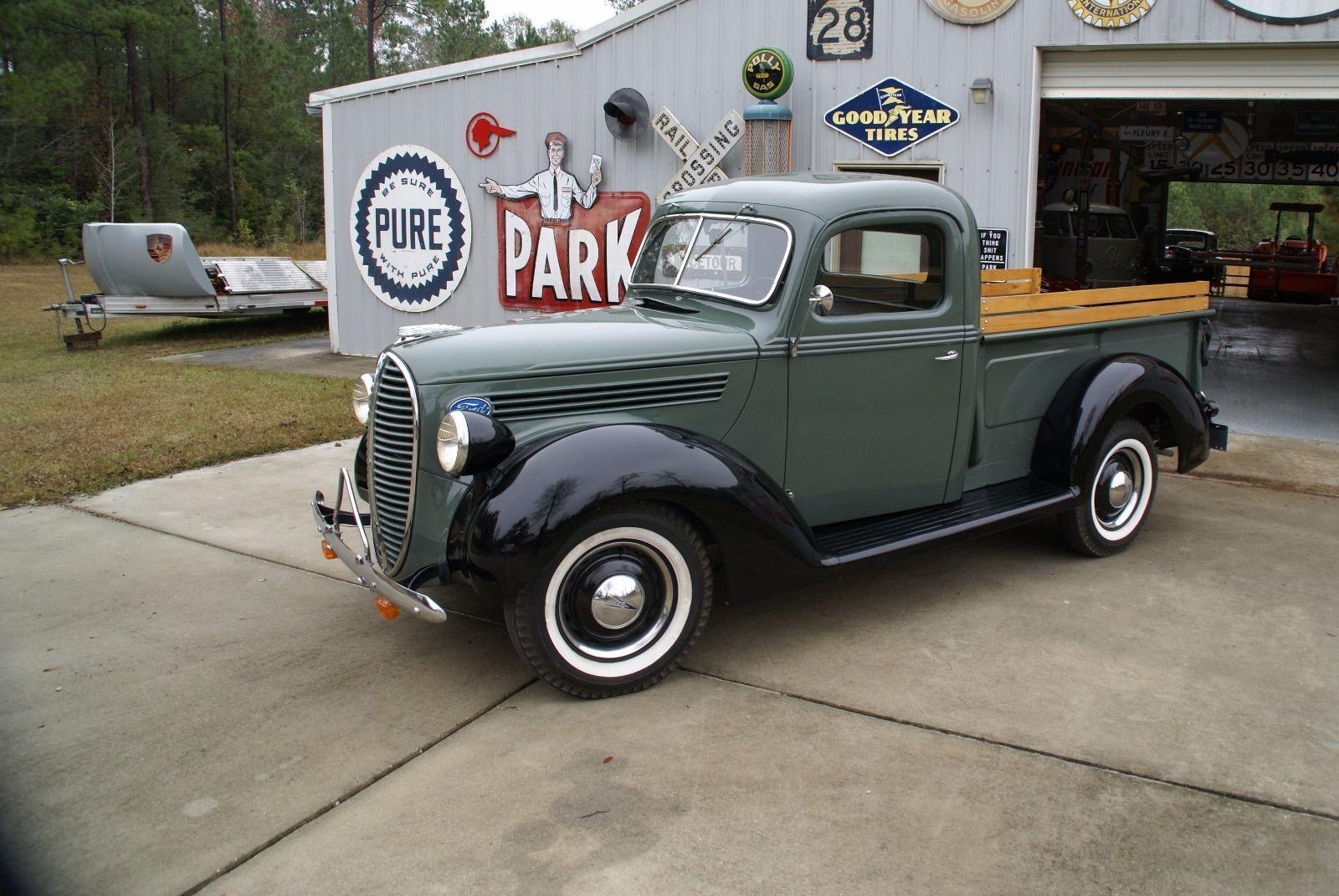
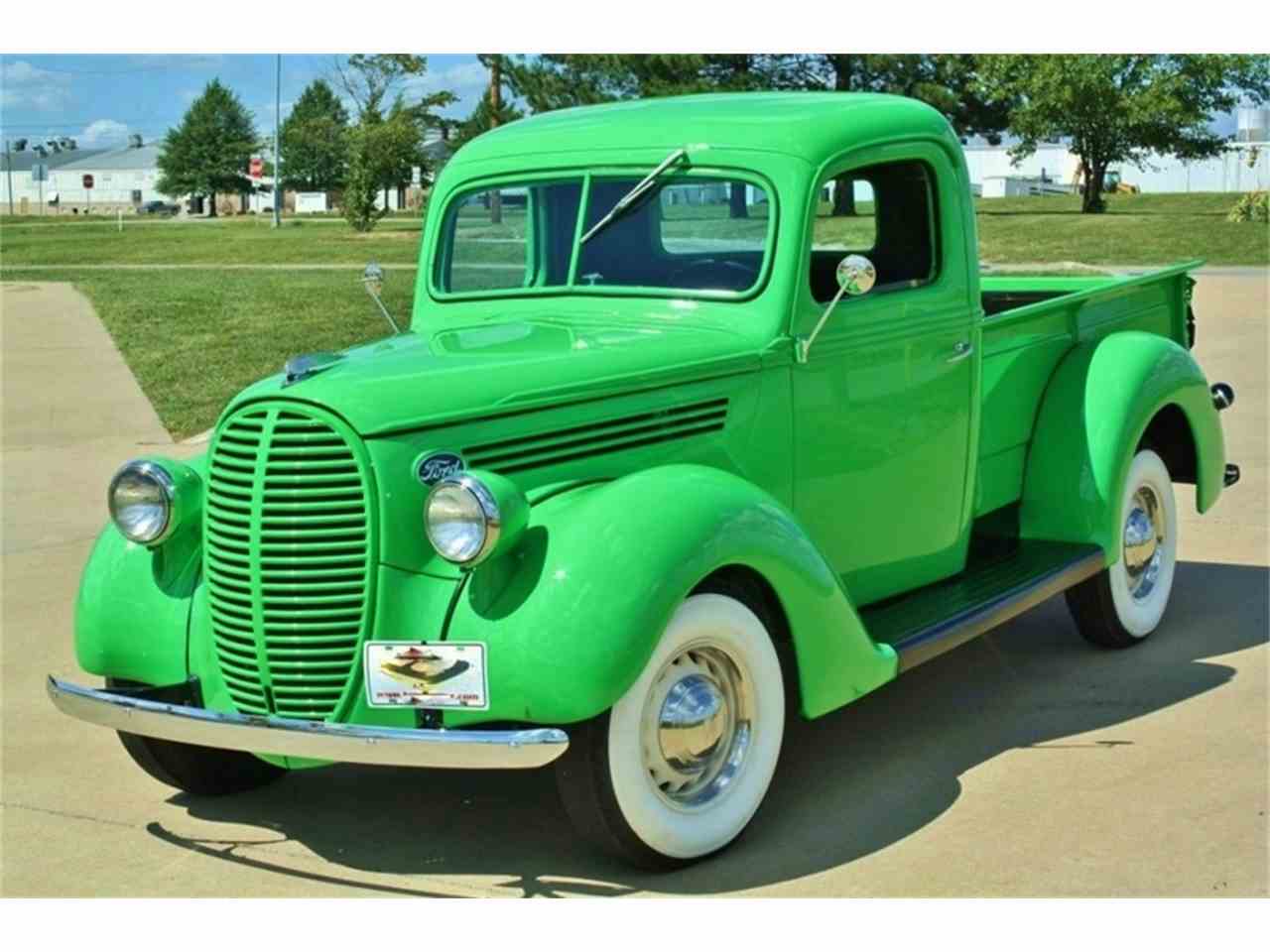
- Ford: Ford pickups of 1938 were highly popular, often featuring the renowned Flathead V8 engine, which provided more power than many competitors. The 1938 Ford Model 81C was a common sight, boasting a more rounded grille and headlamp treatment compared to earlier models. Their robust construction and readily available parts (even today, thanks to strong aftermarket support) make them a perennial favorite for restoration projects.
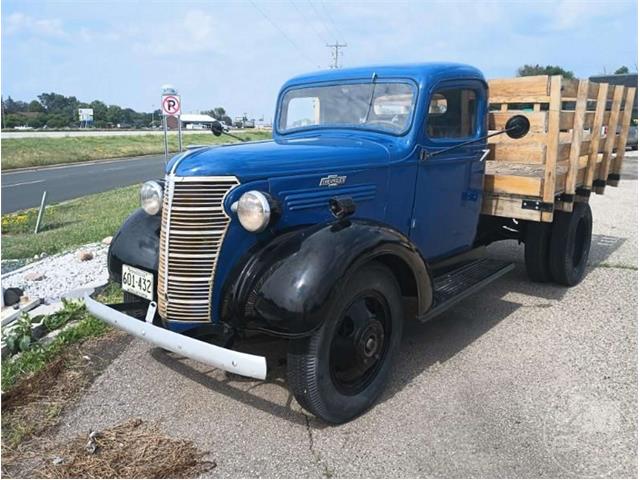
- Chevrolet: Chevrolet’s 1938 pickups were equally formidable, often powered by their reliable "Stovebolt Six" inline-six engine. Models like the Chevrolet Half-Ton were known for their durability and smooth ride. Chevrolet’s design for 1938 saw a more refined grille and a generally more substantial appearance, appealing to those who valued practicality and strength.
- Dodge/Plymouth: Chrysler’s truck divisions, Dodge and Plymouth, offered solid and dependable pickups in 1938. While perhaps less flashy than their Ford or Chevy counterparts, Dodge trucks like the RC series were known for their stout construction and utilitarian appeal. They often present a unique alternative for buyers looking for something a bit different from the mainstream.
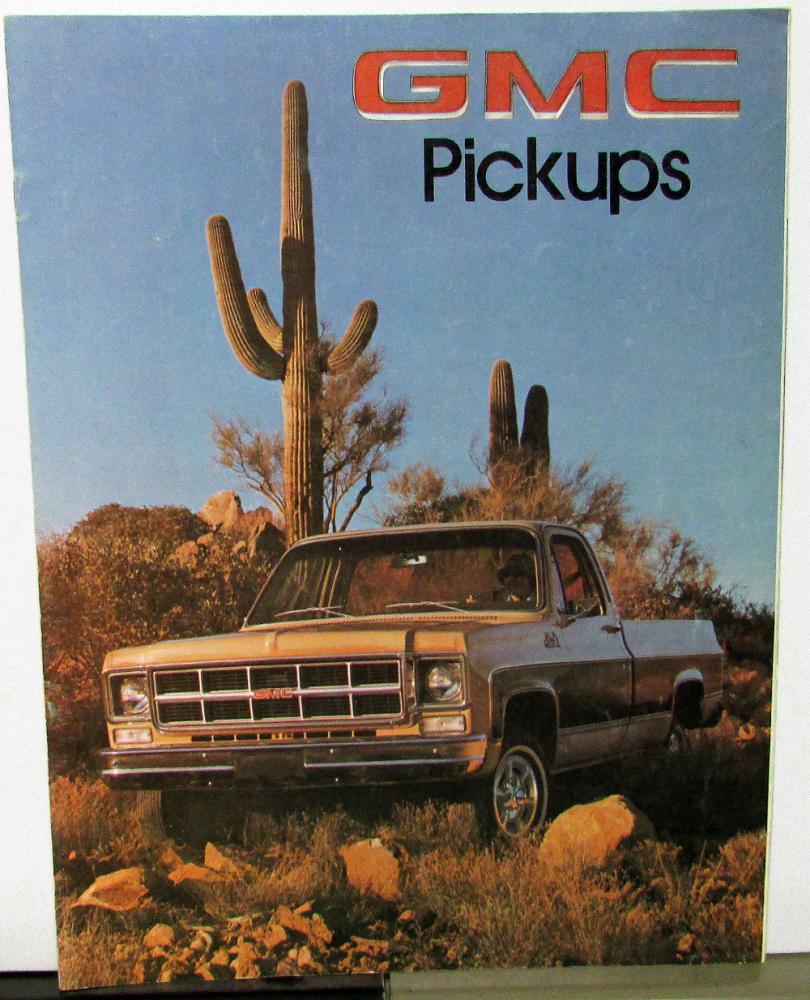
- GMC and International Harvester: These manufacturers also produced excellent pickups in 1938, though in smaller numbers than Ford or Chevrolet. GMC trucks shared many components with Chevrolet but often catered to heavier-duty applications, while International Harvester offered rugged, no-nonsense vehicles built for demanding work. Finding these can be more challenging but equally rewarding.
What to Look For When Buying a 1938 Pickup
When searching for a 1938 pickup, understanding the different conditions available is crucial, as this will heavily influence the price and the amount of work required.
-
Condition Categories:
- Project Vehicle: Typically non-running, heavily rusted, or disassembled. Requires significant restoration. Lowest price point.
- Driver Quality: Runs and drives, but may have cosmetic flaws, minor mechanical issues, or not be fully restored. Can be enjoyed immediately while being improved. Mid-range price.
- Restored/Show Quality: Meticulously restored to original specifications or customized to a high standard. Excellent condition, often winning awards. Highest price point.
-
Key Inspection Points:
- Body and Frame: Rust is the primary enemy. Check fenders, cab corners, door bottoms, bed floor, and especially the frame rails. Look for signs of shoddy patch jobs or major accident damage.
- Engine and Drivetrain: Inquire about originality. Is it the correct Flathead V8 or Stovebolt Six, or has it been swapped for a more modern engine? Check for leaks, unusual noises, and proper operation of the transmission and differential.
- Brakes and Suspension: These are critical for safety. Inspect brake lines, drums/rotors (if converted), leaf springs, shocks, and steering components for wear and tear.
- Electrical System: Many original 1938 trucks were 6-volt systems. Check if it’s been converted to 12-volt, and inspect wiring for brittle insulation, shorts, or amateur repairs.
- Interior: Assess the condition of the seat upholstery, headliner, dashboard, gauges, and steering wheel. Windows should roll up and down smoothly.
- Documentation: Always verify the title and VIN. Look for past ownership records, service history, or restoration receipts, as these add significant value and credibility.
Where to Find 1938 Pickup Trucks For Sale
The digital age has made finding classic vehicles much easier, but traditional methods still hold value.
- Online Marketplaces: Websites like Hemmings.com, ClassicCars.com, eBay Motors, and specialty classic truck forums are excellent starting points. Filter searches by year, make, and model.
- Classic Car Dealerships: Many dealerships specialize in vintage vehicles and often have a selection of trucks. They typically offer more curated inventory and sometimes warranties.
- Auctions: Major classic car auctions (e.g., Mecum Auctions, Barrett-Jackson) occasionally feature well-restored 1938 pickups. While exciting, bidding can be competitive, and a pre-purchase inspection is vital.
- Word of Mouth & Local Classifieds: Sometimes the best deals are found through local car clubs, classified ads, or simply asking around. "Barn finds" are still out there, albeit rare.
Restoration vs. Preservation: Making Your Choice
When you acquire a 1938 pickup, you’ll face a decision: restore it to its original glory or preserve its aged character?
- Full Restoration: This involves disassembling the truck, repairing or replacing every component, repainting, and re-upholstering. The goal is often to bring it back to "better than new" condition or to a specific show standard.
- Pros: Creates a stunning, reliable vehicle; increases value; allows for modern safety upgrades.
- Cons: Extremely costly and time-consuming; requires specialized skills or professional help.
- Preservation (Patina): This approach embraces the truck’s natural wear and tear, rust, and faded paint, focusing on mechanical soundness while maintaining its "survivor" appearance.
- Pros: Lower cost; preserves historical authenticity; unique aesthetic appeal; easier to maintain.
- Cons: Not for everyone’s taste; may still require significant mechanical work; less "showy."
Many owners opt for a "driver quality" restoration, balancing original aesthetics with modern reliability and safety upgrades like disc brakes, 12V electrical systems, or even engine swaps (restomods).
Tips for a Successful Purchase
- Set a Realistic Budget: Beyond the purchase price, factor in transportation, insurance, initial maintenance, and potential restoration costs. Parts for these older vehicles, while available, can be expensive.
- Get a Pre-Purchase Inspection (PPI): Unless you’re an expert, hire a reputable classic car mechanic to inspect the vehicle before committing. This can save you from costly surprises.
- Research Thoroughly: Understand the specific quirks and common issues of the make and model you’re interested in. Join online forums and owner clubs to gather insights.
- Don’t Rush: Take your time. The right truck will come along. Patience is key in the classic car market.
- Factor in Logistics: Consider how you’ll transport the truck and where you’ll store it. Classic car insurance is also a must.
Potential Challenges and Solutions
- Parts Availability: While major components for Ford and Chevy are relatively easy to find (both New Old Stock (NOS) and reproduction), parts for less common manufacturers can be scarce.
- Solution: Network with owner clubs, explore specialty classic parts suppliers, and consider fabrication for rare pieces.
- Mechanical Expertise: Not every mechanic is familiar with pre-war vehicles.
- Solution: Seek out shops specializing in vintage automobiles or learn to do some work yourself.
- Safety Upgrades: Original 1938 trucks lack modern safety features.
- Solution: Consider upgrades like seatbelts, brighter lights, turn signals, and brake system improvements (e.g., disc brakes, dual master cylinder) for safer driving in modern traffic.
- Insurance and Registration: Insuring a classic can differ from a modern vehicle.
- Solution: Work with specialized classic car insurance providers who understand agreed-value policies. Check your state’s specific registration requirements for antique vehicles.
1938 Pickup Trucks For Sale: Estimated Price Guide
Please note that prices for classic vehicles fluctuate based on condition, originality, rarity, geographical location, and market demand. These are general estimates in USD.
| Condition Category | Estimated Price Range (USD) | Key Characteristics |
|---|---|---|
| Project Vehicle | $5,000 – $15,000 | Non-running, significant rust, missing components, disassembled. Ideal for a full custom build or comprehensive restoration. |
| Driver Quality | $15,000 – $35,000 | Runs and drives reliably, may have cosmetic imperfections (patina, minor dents, faded paint), functional but not perfect interior. Ready to enjoy as-is or gradually improve. |
| Restored/Show Quality | $35,000 – $70,000+ | Meticulously restored to original factory specifications or professionally built restomod. Excellent paint, pristine interior, fully sorted mechanicals. Often includes modern upgrades for drivability and safety. Higher end for rare models. |
Frequently Asked Questions (FAQ)
Q1: Are parts hard to find for 1938 pickup trucks?
A1: For popular models like Ford and Chevrolet, many reproduction parts are available, and NOS (New Old Stock) parts can still be found. Parts for less common makes (Dodge, GMC, IH) can be more challenging but are often sourced through specialty vendors, online forums, or fabrication.
Q2: Can I daily drive a 1938 pickup?
A2: While technically possible, it’s not recommended without significant upgrades. Original 1938 trucks lack modern safety features (seatbelts, crumple zones, powerful brakes) and convenience features (power steering, air conditioning). They are best suited for weekend cruises, car shows, or light duty after appropriate safety and reliability modifications.
Q3: What’s the average fuel economy?
A3: Original 1938 pickups were not designed for fuel efficiency. Depending on the engine (V8 or inline-six) and driving conditions, you can expect anywhere from 8-15 miles per gallon. Modern engine swaps (restomods) can significantly improve this.
Q4: Are they safe in modern traffic?
A4: Comparatively, no. They lack modern safety features. If you plan to drive it regularly, consider essential upgrades like disc brakes, a dual master cylinder, brighter LED lighting, turn signals, and seatbelts.
Q5: Should I buy an original or a restomod?
A5: This depends on your priorities. An original truck offers historical authenticity and often a lower initial cost (if a project). A restomod offers modern drivability, comfort, and safety at a higher upfront cost but often less maintenance hassle. Both have strong appeal within the collector community.
Q6: How much does classic car insurance cost for a 1938 pickup?
A6: Classic car insurance is often surprisingly affordable, as these vehicles are typically driven less and stored securely. Costs vary based on the vehicle’s agreed value, your driving record, and storage location, but can range from a few hundred dollars to over a thousand annually.
Conclusion
Owning a 1938 pickup truck is more than just a hobby; it’s an immersive experience in automotive history. These rugged, charming vehicles offer a tangible connection to an era of craftsmanship and utility that continues to captivate. Whether you envision a meticulous, show-winning restoration, a dependable driver with a touch of patina, or a powerful restomod, the journey of acquiring and enjoying a 1938 pickup is incredibly rewarding. With careful research, a clear understanding of your goals, and a passion for vintage iron, finding that perfect "1938 Pickup Truck For Sale" can mark the beginning of an unforgettable adventure.