Government Pickup Trucks For Sale: Your Ultimate Guide to Unlocking Value pickup.truckstrend.com
Introduction: The Hidden Gems of the Automotive Market
For many individuals and businesses, the thought of purchasing a used vehicle often conjures images of private sellers, used car lots, or online marketplaces. However, a less-explored but incredibly promising avenue exists for those seeking durable, reliable, and often well-maintained workhorses: government pickup trucks for sale. These vehicles, retired from federal, state, and local agencies, represent a unique segment of the automotive market. From the bustling streets of a city’s public works department to the rugged terrains traversed by a state park ranger, these trucks have served their purpose in official capacities and are now offered to the public, typically through online auctions.
Government Pickup Trucks For Sale: Your Ultimate Guide to Unlocking Value
The allure of government surplus trucks lies in their potential for significant cost savings, coupled with an often-documented history of professional maintenance. Unlike many privately owned vehicles, government fleet trucks are generally subject to rigorous service schedules and repairs, ensuring they meet operational standards throughout their service life. This comprehensive guide will delve into every aspect of acquiring these utilitarian treasures, providing practical advice, detailing the purchasing process, highlighting key considerations, and helping you navigate this often-overlooked market to find your next reliable pickup.
Understanding Government Surplus Trucks: What Are They?
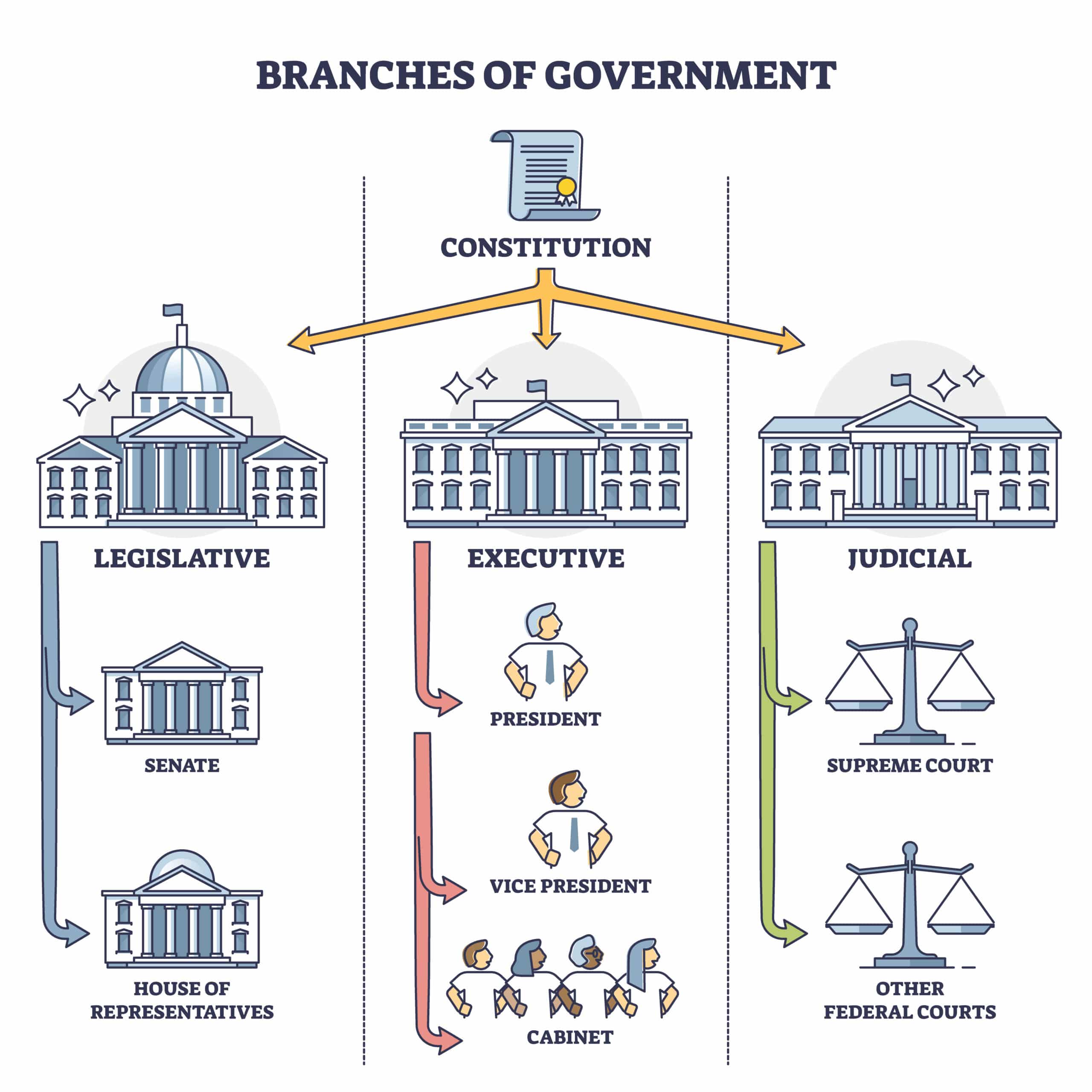
Government pickup trucks for sale are vehicles that have reached the end of their service life within various governmental entities. These entities can range from the vast fleets of federal agencies like the General Services Administration (GSA), the Department of Defense (DoD), and the U.S. Postal Service, to state departments of transportation (DOTs), park services, county sheriff’s offices, and municipal public works departments.
Once deemed surplus, these trucks are liquidated through public auctions. Their origins dictate their previous usage, which can vary wildly: a truck from a municipal parks department might have seen light duty on paved roads, while a military surplus truck could have operated in harsh, off-road conditions. Understanding the original agency can often provide clues about the truck’s likely past and potential wear patterns.
The Undeniable Benefits of Buying Government Surplus Trucks
The decision to buy a government surplus pickup truck comes with a host of compelling advantages that make them an attractive option for budget-conscious buyers, small businesses, and individuals needing a robust vehicle.
- Significant Cost Savings: This is often the primary driver. Government surplus trucks typically sell for considerably less than comparable models on the private market or at traditional dealerships. The "no-frills" nature of many government vehicles, combined with their age and mileage, contributes to lower starting bids.
- Detailed Maintenance Records: A standout feature of government fleet vehicles is the meticulous record-keeping. Unlike private owners, government agencies are mandated to adhere to strict maintenance schedules and often log every oil change, tire rotation, and repair. Access to these records (where available) provides invaluable insight into the vehicle’s health and can help predict future needs.
- Built for Durability and Functionality: Government trucks are work vehicles, designed for reliability and utility rather than luxury. They often come with heavy-duty suspensions, robust powertrains, and configurations suited for demanding tasks. Many are "fleet-spec," meaning they are built to last under continuous use.
- Variety and Specialization: The range of trucks available is vast. You might find anything from a standard half-ton pickup used for administrative tasks to a heavy-duty dually with a utility bed, formerly used by a utility company or construction crew. This variety allows buyers to find a vehicle specifically suited to their needs.
- Unique Provenance: Owning a vehicle that once served a police department, a forest service, or even the postal service offers a unique story and a sense of history. For some, this adds to the appeal beyond just the practical benefits.
How to Buy: Navigating the Government Auction Process
Purchasing a government surplus truck typically involves an online auction process. Here’s a step-by-step guide:
- Identify Sources:
- GovDeals.com: A leading online marketplace for government surplus, featuring items from thousands of local and state agencies.
- GSAAuctions.gov: The official site for federal government surplus sales, including vehicles from various federal departments.
- State/Local Government Websites: Many state and local governments operate their own surplus property divisions or link to specific auctioneers they use. Search for "surplus property" or "public auctions" on their official sites.
- Police Auctions: Some police departments hold their own auctions for seized or surplus vehicles.
- DoD Liquidation: For military-specific vehicles, check sites linked to defense logistics agencies.
- Register and Research: Once you’ve found an auction site, you’ll need to register, which usually involves providing basic contact information. Then, the real work begins: browsing listings. Pay close attention to the vehicle’s description, location, and condition report.
- Inspection is Key (Crucial Step): Most government vehicles are sold "as-is, where-is." This means what you see is what you get, and it’s your responsibility to pick it up. If at all possible, physically inspect the truck before bidding.
- What to Look For: Start the engine, check for strange noises, leaks, warning lights. Test all lights, wipers, HVAC, and power windows/locks. Examine the tires, brakes, and suspension components. Look for rust, body damage, and interior wear. If you’re not mechanically inclined, bring a trusted mechanic.
- Remote Inspection: If a physical inspection isn’t possible, scrutinize all available photos, videos, and read the condition report meticulously. Contact the agency for more information if available.
- Bidding and Winning: Set a maximum budget and stick to it. Bidding wars can escalate quickly. Once you win, you’ll be notified via email.
- Payment and Pickup: Payment terms vary but typically involve wire transfer, credit card, or certified check within a few days of the auction close. Once paid, you’ll arrange for pickup. Be aware of pickup deadlines and potential storage fees if you’re late. You’ll need to arrange transportation if the vehicle isn’t roadworthy.
Important Considerations Before You Buy
While the benefits are significant, several factors require careful consideration to ensure a successful purchase:
- "As-Is, Where-Is": This is the golden rule of government surplus sales. There are no warranties, no guarantees. You buy the vehicle in its current condition, with all its flaws, and you are responsible for transporting it from its location.
- Condition and Wear: Many government trucks have high mileage and significant wear and tear from constant use. Expect cosmetic imperfections, potential mechanical issues, and missing components (e.g., radios, specialized equipment like light bars removed). Budget for potential repairs and reconditioning.
- Maintenance History Availability: While often excellent, records aren’t always complete or accessible. Verify if records are provided before assuming they are.
- Title and Registration: Ensure you understand the specific requirements for titling and registering a surplus vehicle in your state. Some may require additional inspections or paperwork.
- Transportation Logistics: If the truck is not drivable, or if you’re buying out of state, factor in the cost and logistics of towing or shipping the vehicle.
- Hidden Costs: Beyond the winning bid, anticipate buyer’s premiums (auction fees), sales tax, title transfer fees, and potential repair costs.
Types and Categories of Government Pickup Trucks
The diversity of government agencies leads to a wide array of truck types:
- Federal Agencies:
- GSA/General Purpose: Often Ford F-150s, F-250s, Chevrolet Silverados, or Ram 1500s. These might be basic work trucks, administrative vehicles, or maintenance trucks.
- Military Surplus: Can include heavy-duty trucks, specific tactical vehicles (less common for standard pickups), or standard commercial models used for base operations.
- USPS: Primarily older Ford Ranger or larger Ford F-Series trucks, often with specific postal modifications (e.g., right-hand drive for mail delivery).
- State Agencies:
- Departments of Transportation (DOT): Heavy-duty trucks (F-350, F-450, Silverado 3500HD, Ram 3500) equipped for plowing, towing, or utility work. Often yellow or orange.
- State Parks/Forestry: Mid-size to full-size pickups, sometimes with 4×4, utility beds, or bed liners, designed for off-road or remote area access.
- Agricultural Departments: Similar to forestry, often basic work trucks for inspections or field work.
- Local Agencies:
- Municipal Public Works: A mix of light-duty and heavy-duty trucks for street maintenance, water/sewer, landscaping, often with utility bodies or toolboxes.
- Police Departments: Patrol trucks (less common than sedans, but exist), often Ford F-150s or larger, sometimes with police-specific interior modifications (e.g., plastic rear seats) and mounting points for removed equipment.
- Fire Departments: While not always pickups, they might sell support vehicles or brush trucks.
Common makes and models include Ford F-Series (F-150, F-250, F-350), Chevrolet Silverado (1500, 2500HD, 3500HD), Ram (1500, 2500, 3500), and occasionally Toyota Tundra/Tacoma or Nissan Frontier.
Tips for a Successful Purchase
- Do Your Homework: Research the specific model, common issues, and market values for similar trucks. Compare the auction price to what you’d pay privately.
- Set a Firm Budget: Include the winning bid, buyer’s premium, taxes, and a contingency fund for immediate repairs. Don’t get caught up in bidding fever.
- Inspect, Inspect, Inspect: We can’t stress this enough. If you can’t inspect it yourself, get a trusted third party or mechanic to do it. Visuals are not enough.
- Read All Terms and Conditions: Each auction site and agency will have specific rules regarding bidding, payment, and pickup. Understand them fully.
- Be Patient: The perfect truck might not appear on your first search. Regularly check auction sites and be prepared to wait for the right opportunity.
- Account for Decommissioning: Police, fire, or specialized vehicles will have had equipment removed. Inspect for holes in the roof, dashboard, or body panels where lights, radios, and sirens were mounted.
Potential Challenges and Solutions
- Challenge: Unknown Mechanical Issues.
- Solution: Thorough pre-purchase inspection is paramount. Budget 10-20% of the purchase price for immediate post-auction repairs. Prioritize vehicles with accessible maintenance records.
- Challenge: High Mileage and Wear.
- Solution: Focus on the quality of the mileage rather than just the number. Highway miles are less taxing than stop-and-go city driving. A well-maintained 150,000-mile fleet truck might be in better shape than a neglected 100,000-mile private vehicle.
- Challenge: Specialized Equipment Removal Damage.
- Solution: Closely inspect interiors and exteriors for holes, cut wires, or cosmetic damage from removed equipment. Factor in the cost of professional repair or DIY solutions.
- Challenge: Fierce Bidding Wars.
- Solution: Stick to your maximum bid. Don’t let emotion drive your decisions. There will always be another auction and another truck.
- Challenge: Remote Location/Transportation.
- Solution: Research transport costs beforehand. Consider the total cost including transport before bidding. If driving it home, ensure you have temporary tags/insurance.
Representative Price Table for Government Pickup Trucks For Sale
Please note: These are highly generalized estimated price ranges. Actual prices vary significantly based on specific agency, model, year, mileage, condition, local market demand, and auction dynamics. Always perform your own research.
| Agency Type | Common Models | Condition Range (Typical) | Mileage Range (Typical) | Estimated Price Range (USD) | Notes |
|---|---|---|---|---|---|
| Federal (GSA) | Ford F-150, F-250; Chevy Silverado 1500, 2500; Ram 1500 | Fair to Good | 80,000 – 180,000+ | $4,000 – $15,000 | Often well-maintained, varied uses. Higher end for newer models/lower mileage. |
| State DOT/Parks | Ford F-250, F-350; Chevy Silverado 2500HD, 3500HD; Ram 2500, 3500 | Fair to Poor | 100,000 – 250,000+ | $3,000 – $12,000 | Heavy-duty usage, potential for rust/wear from road salt/off-road. Often utility bodies. |
| Local (City/County Public Works) | Ford F-150, F-250; Chevy Silverado 1500, 2500; Ram 1500, 2500 | Fair to Poor | 90,000 – 200,000+ | $2,500 – $10,000 | Frequent stop-and-go. Utility bodies common. Can show significant interior/exterior wear. |
| Police/Sheriff | Ford F-150, F-250; Chevy Silverado 1500 | Fair to Good | 60,000 – 150,000+ | $5,000 – $15,000 | Idling hours can be high. Interior often stripped/damaged. Body holes from equipment removal. |
| USPS/Postal | Ford F-150, F-250; Older Ford Rangers | Fair to Poor | 150,000 – 250,000+ | $1,500 – $6,000 | Often right-hand drive, high wear from daily routes. Very basic. |
| Specialized (Utility/Brush Truck) | Any heavy-duty with specific upfits (e.g., lift gate, utility body) | Fair to Poor | 120,000 – 200,000+ | $6,000 – $20,000+ | Price highly dependent on functionality of specialized equipment. Can be very valuable for specific uses. |
Frequently Asked Questions (FAQ) about Government Pickup Trucks For Sale
Q1: Are government trucks well-maintained?
A1: Generally, yes. Government agencies typically adhere to strict maintenance schedules to ensure fleet reliability and safety. However, the level of detail and accessibility of records can vary. Always verify if maintenance records are available.
Q2: Can anyone buy government surplus trucks?
A2: Yes, almost all government surplus auctions are open to the general public. You simply need to register on the auction platform (e.g., GovDeals, GSA Auctions) and follow their bidding procedures.
Q3: Where are government pickup trucks typically sold?
A3: The most common platforms are online auction websites like GovDeals.com and GSAAuctions.gov. Many state and local governments also have dedicated surplus property divisions that list vehicles on their own websites or through specialized auctioneers.
Q4: Do government surplus trucks come with a warranty?
A4: No. Government surplus vehicles are almost universally sold "as-is, where-is," meaning there are no warranties, guarantees, or returns. It is the buyer’s responsibility to inspect the vehicle thoroughly before bidding.
Q5: What does "as-is, where-is" mean?
A5: It means the vehicle is sold in its current condition, with all existing faults or defects, and the buyer is responsible for picking it up from its current location. The seller makes no representations or warranties about the vehicle’s condition, fitness for a particular purpose, or roadworthiness.
Q6: What should I look for during an inspection of a government truck?
A6: Beyond the basics (engine sounds, leaks, tire wear), specifically check for:
- Signs of heavy use (e.g., worn seats, dashboard holes from removed equipment).
- Rust, especially in the frame, rocker panels, and wheel wells.
- Functionality of all lights, HVAC, and power accessories.
- Any warning lights on the dashboard.
- Evidence of collision repair or flood damage.
- The condition of specialized equipment if applicable (e.g., utility body, plow mounts).
Q7: How do I arrange payment and pickup after winning an auction?
A7: Payment methods usually include wire transfer, certified check, or credit card, and must be completed within a few days of the auction close. Once payment is confirmed, you’ll receive instructions for pickup. You’ll need to arrange transportation (towing or driving with temporary tags) within a specified timeframe, or face potential storage fees.
Conclusion: Driving Value Home
Purchasing a government pickup truck for sale offers a compelling opportunity for those in search of a reliable, work-ready vehicle without the hefty price tag of new or traditional used options. While the "as-is, where-is" nature demands meticulous due diligence and a realistic budget for potential post-purchase care, the benefits of detailed maintenance histories, inherent durability, and significant cost savings are undeniable.
By understanding the auction process, knowing what to look for, and being prepared for the unique characteristics of these former fleet vehicles, you can navigate the market with confidence. Whether you’re a small business owner needing a dependable hauler, a tradesperson seeking a robust work truck, or an individual looking for a rugged utility vehicle, government surplus auctions provide a pathway to unlock remarkable value and drive home a true workhorse. With careful research and a strategic approach, your next great pickup truck might just be waiting for its next mission, straight from a government fleet.