Salvage Diesel Pickup Trucks For Sale: Unearthing Value in the Aftermath pickup.truckstrend.com
Introduction: The Allure of the Rescued Beast
In the vast landscape of the automotive market, the term "salvage" often conjures images of irreparable wreckage. However, for the savvy buyer, the skilled mechanic, or the dedicated DIY enthusiast, a "salvage diesel pickup truck for sale" can represent a hidden gem—a powerful workhorse with robust capabilities, offered at a fraction of the cost of its clean-titled counterparts. These are vehicles that an insurance company has deemed a "total loss" due to significant damage (from collisions, floods, fire, or even theft recovery), yet whose core components, particularly the durable diesel engine, remain largely intact and viable.
Salvage Diesel Pickup Trucks For Sale: Unearthing Value in the Aftermath
The appeal is undeniable: imagine acquiring a heavy-duty pickup, renowned for its towing prowess, fuel efficiency, and longevity, at a price point that makes it accessible for a wide range of budgets. Whether you’re seeking a project truck to customize, a reliable work vehicle for your small business, or simply a way to stretch your automotive dollar further, delving into the world of salvage diesel pickups can be a rewarding, albeit challenging, endeavor. This comprehensive guide will navigate the intricacies of buying, repairing, and re-registering these unique vehicles, offering practical advice and insights to help you make an informed decision.
Understanding the "Salvage Title": More Than Just Damage
Before diving into the specifics of diesel pickups, it’s crucial to understand what a "salvage title" truly signifies. When an insurance company declares a vehicle a "total loss," it means the cost of repairs exceeds a certain percentage (which varies by state, often 70-80%) of the vehicle’s actual cash value. At this point, the original title is surrendered, and a new "salvage title" is issued.
A vehicle with a salvage title cannot be legally driven on public roads. It must be repaired, inspected by the state, and then issued a "rebuilt" or "reconstructed" title before it can be registered and insured. This distinction is vital: a "salvage" title indicates a vehicle as is, damaged and unready for the road, while a "rebuilt" title signifies it has undergone the necessary repairs and passed inspection. The repercussions include potential difficulties with financing (most lenders won’t finance a salvage title), higher insurance premiums (if insurable at all before rebuilding), and a significantly lower resale value even after it’s rebuilt.
Why Buy a Salvage Diesel Pickup? The Unbeatable Benefits
Despite the inherent challenges, the benefits of opting for a salvage diesel pickup truck can be substantial for the right buyer:
- Significant Cost Savings: This is by far the primary draw. Salvage vehicles typically sell for 30% to 50% (or even more) less than their clean-titled equivalents. This discount can put a high-end, heavy-duty diesel truck within reach of budgets that would otherwise be limited to older, less capable gasoline models.
- Robust Diesel Engines: Diesel engines are built for durability, high torque, and long service lives. They are often less susceptible to minor impact damage than more complex gasoline engine systems. Even if the body is crumpled, the engine and transmission, which are often the most valuable components, might be perfectly fine.
- Ideal for Project Vehicles & Customization: A salvage truck offers a blank canvas for customization. Whether you’re building an extreme off-road rig, a dedicated towing monster, or a unique show truck, starting with a salvage title means you’re not paying a premium for a pristine body that you intend to modify anyway.
- Parts Source: For mechanics or those with multiple diesel trucks, a heavily damaged salvage diesel pickup can serve as an invaluable donor vehicle. The engine, transmission, axles, and other expensive components can be harvested, saving thousands compared to buying them new or even used individually.
- Learning Opportunity: For aspiring mechanics or hands-on learners, rebuilding a salvage diesel truck provides an unparalleled educational experience, fostering deep understanding of vehicle systems and repair processes.
Common Causes of Salvage Titles in Diesel Pickups
Understanding the type of damage can help you assess the repair potential:
- Collision Damage: The most common cause. Front, rear, or side impacts can result in bent frames, damaged body panels, deployed airbags, and suspension issues. While often extensive visually, mechanical components might be surprisingly intact.
- Flood Damage: This is perhaps the riskiest. Water can wreak havoc on electrical systems, rust components, and lead to mold. Even if the engine appears fine, long-term electrical gremlins can be a nightmare. Diesels are slightly less susceptible to engine hydro-lock than gas engines, but electronics remain vulnerable.
- Fire Damage: Can range from minor engine compartment fires to extensive cabin or rear-end blazes. The heat can damage wiring, plastics, and even warp metal.
- Theft Recovery: Often, these trucks are recovered with cosmetic damage, stripped interiors, or missing components. Mechanical damage is less common unless the vehicle was abused during theft.
- Hail Damage: Primarily cosmetic, but extensive hail damage can still total a vehicle if the cost of bodywork and paint exceeds the threshold. These are often excellent candidates for repair as mechanical systems are usually untouched.
- Vandalism: Similar to hail, often cosmetic, involving scratched paint, broken windows, or interior damage.
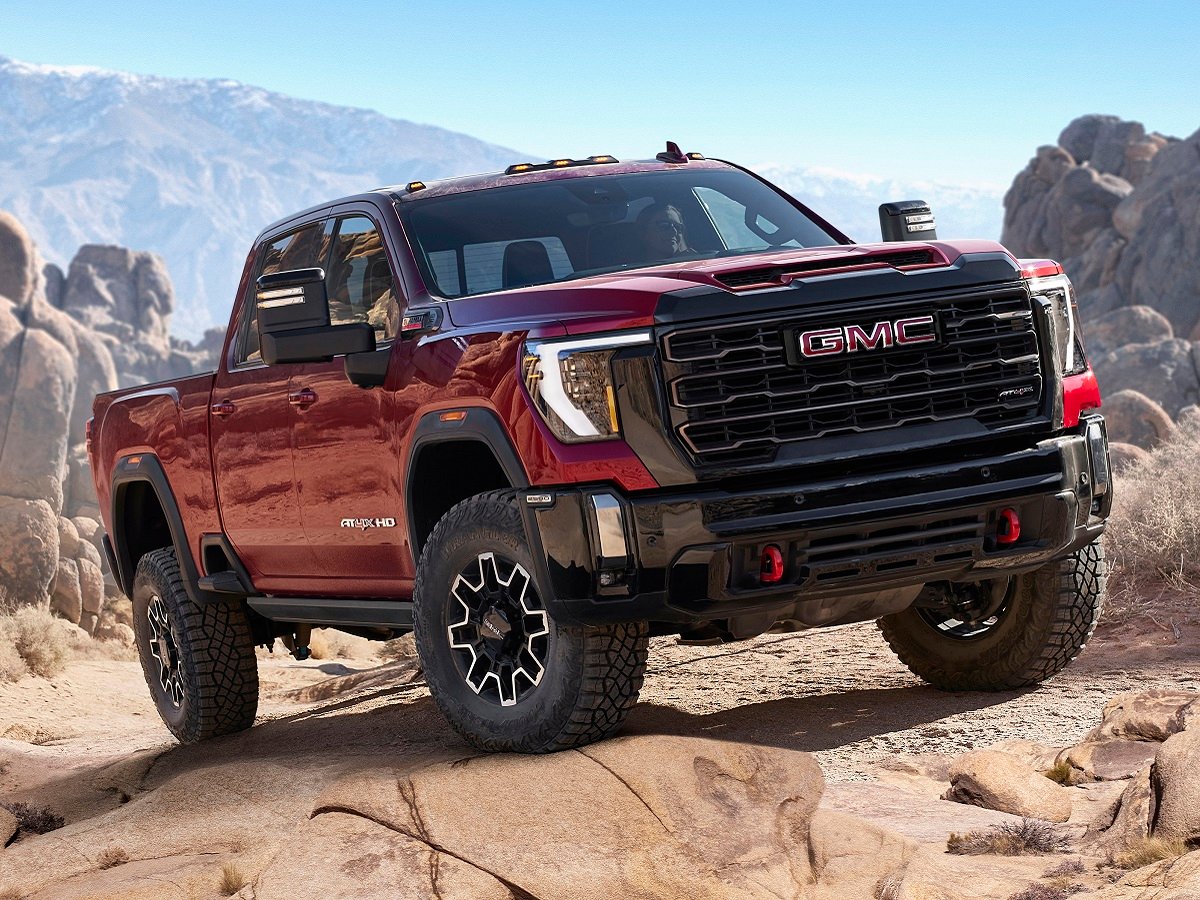
Navigating the Purchase Process: Where to Find Them
The journey to acquiring a salvage diesel pickup typically begins in these places:
- Online Auction Sites (Copart, IAAI): These are the dominant platforms for salvage vehicle sales. They offer a vast inventory, detailed photos, and sometimes even videos. You’ll need to register as a bidder (some require a broker or dealer license, others have public access).
- Specialized Salvage Dealers: Some dealerships focus specifically on buying, repairing, and selling rebuilt title vehicles. They often have an inventory of pre-repaired trucks, saving you the repair hassle, but at a higher price than buying directly from auction.
- Local Tow Yards/Impound Lots: Less common, but sometimes these places sell unclaimed or abandoned salvage vehicles directly.
- Online Classifieds (Craigslist, Facebook Marketplace): You might find individuals selling their salvage projects. Exercise extreme caution and always conduct in-person inspections.
Key Considerations Before Buying: Due Diligence is Paramount
Purchasing a salvage diesel pickup is not for the faint of heart. Success hinges on thorough research and realistic expectations.
- Thorough Inspection is Paramount: Do not buy sight unseen.
- Bring a Mechanic: This is non-negotiable. A qualified mechanic specializing in diesel trucks can identify hidden damage, assess engine health, and estimate repair costs.
- Visual Inspection: Check for frame damage (cracks, bends, wrinkles), rust, fluid leaks, and signs of previous repairs. Look at the VIN tags on various panels to ensure they match and haven’t been swapped.
- Engine & Transmission: Check fluid levels and condition. Look for leaks. If possible, try to start the engine (even if non-drivable). Listen for strange noises, check for excessive smoke.
- Electronics: Test all lights, dashboard functions, windows, AC. This is especially critical for flood-damaged vehicles.
- Undercarriage: Inspect suspension components, steering linkage, exhaust system, and fuel lines for damage.
- Damage Assessment & Repair Costs: Get detailed repair estimates before bidding. Factor in parts, labor (if not DIY), and specialized tools. Diesel-specific parts (injectors, turbos, high-pressure fuel pumps) can be very expensive.
- Rebuilt Title Process: Research your state’s specific requirements for obtaining a rebuilt title. This often involves a rigorous inspection to ensure all repairs meet safety standards. Some states are more stringent than others.
- Insurance and Financing Challenges: Most traditional lenders will not finance a salvage title vehicle. Be prepared to pay cash. Insuring a rebuilt title vehicle can also be more challenging; some companies may refuse, or offer only liability coverage, or charge higher premiums.
- Resale Value: Even after a successful rebuild, a truck with a "rebuilt" title will always command a lower resale price than an equivalent clean-title vehicle. Factor this into your long-term plans.
The Rebuild Journey: From Salvage to Roadworthy
Once you’ve acquired your salvage diesel pickup, the real work begins:
- Develop a Repair Plan: Prioritize structural integrity and safety first (frame, suspension, brakes, airbags), then mechanical repairs (engine, transmission), and finally cosmetic work.
- Source Parts Strategically:
- Used Parts: Salvage yards, online used parts networks (e.g., Car-Part.com) are excellent for body panels, interior components, and less critical mechanical parts.
- Aftermarket Parts: Can be cost-effective for certain components but ensure quality.
- New OEM Parts: Necessary for critical safety components or when used parts aren’t available/reliable.
- Professional Help vs. DIY: Be realistic about your skills. While some repairs can be DIY, complex frame straightening, advanced electrical diagnostics, or engine/transmission overhauls often require professional expertise.
- Documentation: Keep meticulous records of all repairs, parts purchased, and receipts. This documentation is crucial for the rebuilt title inspection and can be valuable for future resale.
- State Inspection: Once repairs are complete, schedule your state’s required inspection. The vehicle must be deemed safe and roadworthy.
Practical Advice and Actionable Insights
- Budget for the Unexpected: Always add a 20-30% contingency to your estimated repair budget. Hidden damage is common.
- Get a VIN History Report: Even for salvage vehicles, a CarFax or AutoCheck report can provide valuable insight into the vehicle’s past, including previous accidents or flood declarations.
- Prioritize Function Over Form: Focus on making the truck mechanically sound and safe before investing heavily in cosmetic upgrades.
- Network: Connect with other salvage vehicle rebuilders online or locally. Their experience can be invaluable.
- Don’t Rush: Patience is key. Finding the right truck, sourcing parts, and completing repairs takes time.
- Know Your Limits: If a repair is beyond your skill set or equipment, don’t hesitate to call a professional.
Price Table: Estimated Costs for Salvage Diesel Pickup Trucks
Note: These are highly generalized estimates. Actual prices depend heavily on the specific vehicle’s make, model, year, mileage, engine condition, extent of damage, and auction dynamics. Repair costs are NOT included in these purchase prices.
| Category | Description | Estimated Purchase Price Range (USD) | Notes |
|---|---|---|---|
| Light Damage | Minor cosmetic (hail, vandalism), easy mechanical fixes. Drivable or near-drivable. | $5,000 – $15,000 | Ideal for DIY beginners, quicker turnaround potential. Damage often allows for start and drive. |
| Medium Damage | Moderate collision (front/rear end, side), some frame repair, non-drivable. | $3,000 – $10,000 | Requires more significant mechanical/body work. Good for experienced DIYers. Often needs towing. |
| Heavy Damage | Major collision, flood (non-engine submerge), fire (minor), significant frame damage. | $1,000 – $7,000 | Often project vehicles for parts or extensive rebuilds. High risk, high reward. Engine/transmission may or may not be viable. |
| Parts Donor | Severely damaged, only good for engine, transmission, or specific components. | $500 – $3,000 | Purchase based on value of specific salvageable parts. Engine/transmission value drives price. Vehicle often completely non-functional. |
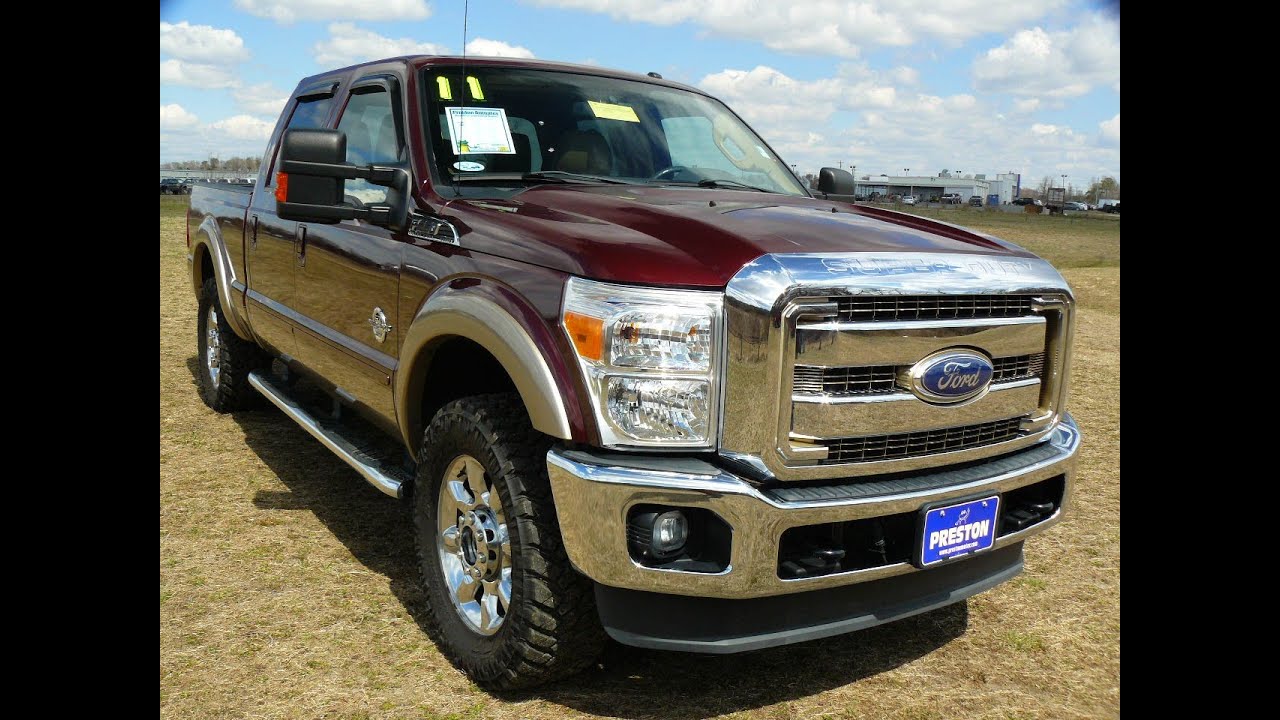
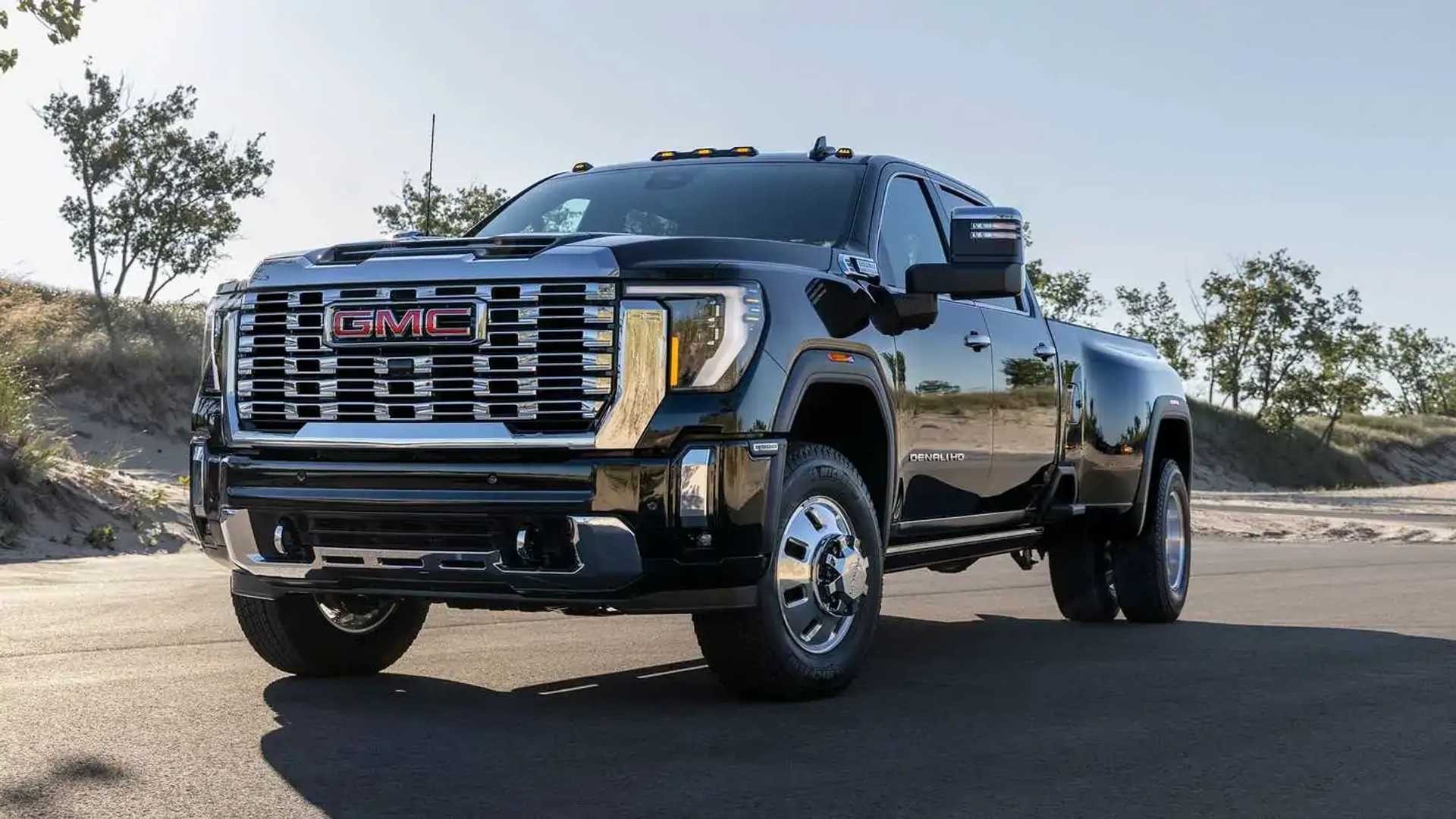
| Premium Models | Newer, low-mileage, popular diesel models (Ford Super Duty, Ram HD, Chevy Silverado HD) with any level of damage. | $10,000 – $25,000+ | Even with salvage title, high demand for these. Repair costs can still be substantial. Examples: 2017+ Ford F-250/350, Ram 2500/3500, Chevy Silverado 2500/3500 HD. |
| Older Models | 10+ years old, higher mileage, less demand. | $1,000 – $8,000 | More affordable entry point, parts might be easier/cheaper to find, but condition varies greatly. Examples: 7.3L Power Stroke, 5.9L Cummins, early 6.6L Duramax. |
Frequently Asked Questions (FAQ)
Q1: Is it legal to drive a salvage title truck on the road?
A1: No. A vehicle with a salvage title cannot be legally registered or driven on public roads until it has been repaired, inspected by your state’s motor vehicle department, and issued a "rebuilt" or "reconstructed" title.
Q2: Can I get insurance for a rebuilt title truck?
A2: Yes, but it can be more challenging. Many major insurance companies will insure rebuilt title vehicles, though some may only offer liability coverage or charge higher premiums due to the vehicle’s history. It’s best to shop around and disclose the rebuilt title status upfront.
Q3: Can I finance a salvage title truck?
A3: It is extremely difficult, if not impossible, to finance a salvage title vehicle. Most lenders will not offer loans for vehicles that are not currently road legal and whose value is uncertain. Be prepared to pay cash.
Q4: What’s the difference between "salvage" and "rebuilt" titles?
A4: A "salvage" title indicates the vehicle has been declared a total loss by an insurance company and is not roadworthy. A "rebuilt" (or "reconstructed") title is issued after a salvage vehicle has been repaired, inspected, and deemed safe and roadworthy by the state.
Q5: How do I know the true extent of the damage on a salvage truck?
A5: The best way is through a thorough, in-person inspection by a qualified mechanic. Online photos can be misleading. Additionally, review any available vehicle history reports (like CarFax or AutoCheck) and auction descriptions, but always verify in person.
Q6: Are flood-damaged diesels always a bad idea?
A6: Flood-damaged vehicles, especially those submerged significantly, carry a very high risk. While the diesel engine itself might be more resilient to water intrusion than a gasoline engine, the electrical system, sensors, wiring harnesses, and interior components are highly susceptible to long-term corrosion, mold, and intermittent failures. It’s generally advised to approach flood-damaged vehicles with extreme caution, and only if you have extensive experience with automotive electrical systems.
Q7: What are the best diesel engines for a salvage project?
A7: Engines known for their reliability, durability, and widespread parts availability are ideal. Popular choices include:
- Ford Power Stroke 7.3L (1994-2003): Renowned for its mechanical simplicity and longevity.
- Cummins 5.9L (1989-2007) & 6.7L (2007.5-Present): Legendary for their industrial strength and ease of modification.
- GM Duramax 6.6L (2001-Present): Known for smooth operation and strong performance.
These engines often outlast the rest of the truck, making them prime candidates for salvage projects.
Conclusion: A Rewarding Challenge for the Right Hands
Salvage diesel pickup trucks for sale are not for everyone. They demand a significant investment of time, effort, and often, unexpected funds. They are a gamble, but one with potentially high rewards. For the mechanically inclined, the budget-conscious, or those seeking a unique project, these robust vehicles offer an unparalleled opportunity to own a powerful diesel truck at a fraction of the market price.
Success in this venture hinges on diligent research, meticulous inspection, realistic budgeting, and a healthy dose of patience. By understanding the risks, embracing the challenges, and committing to the rebuild process, you can transform a seemingly totaled vehicle into a reliable, functional, and deeply satisfying asset. The roar of a rebuilt diesel engine, once deemed lost, can be a testament to ingenuity, perseverance, and the enduring value found in the aftermath.